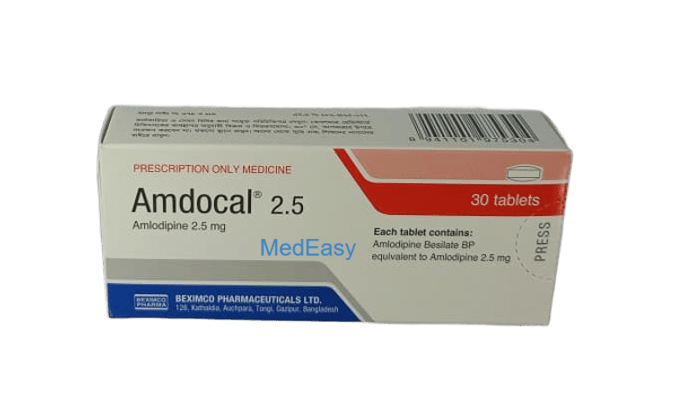
Generic medicine

Amlodipine Besilate: Brands, Price & Uses in Bangladesh

Amlodipine Besilate is a long-acting dihydropyridine calcium channel blocker indicated for the following: Established/FDA-approved uses Hypertension : Indicated alone or in combination with other…

Forms:Tablet

About Amlodipine Besilate

Indications of Amlodipine Besilate

Amlodipine Besilate is a long-acting dihydropyridine calcium channel blocker indicated for the following:

Established/FDA-approved uses

  • Hypertension: Indicated alone or in combination with other antihypertensive agents for the treatment of high blood pressure in adults and children 6 years of age and older, to lower blood pressure and reduce the risk of fatal and non-fatal cardiovascular events, primarily strokes and myocardial infarctions.
  • Chronic Stable Angina: Indicated for the management of chronic stable angina, either as monotherapy or in combination with other antianginal agents.
  • Vasospastic (Prinzmetal's or Variant) Angina: Indicated for the treatment of confirmed or suspected vasospastic angina.
  • Coronary Artery Disease (CAD): Indicated to reduce the risk of hospitalization for angina and the need for revascularization procedures in patients with recently documented CAD by angiography and without heart failure or an ejection fraction less than 40%.

Adjunct/combination use

  • Often combined with an ACE inhibitor, ARB, diuretic, or statin (as fixed-dose combinations) for comprehensive management of hypertension and cardiovascular risk reduction.

Note: This medicine does not stop chest pain once it starts; other prescribed medicines should be used for acute anginal attacks as directed by a physician.

Dosage & Administration of Amlodipine Besilate

Hypertension - Adult Dose

Initial dose: 5 mg once daily; may be increased to a maximum of 10 mg once daily. In small, fragile, elderly patients or those with hepatic insufficiency, an initial dose of 2.5 mg once daily may be used. Dose titration should generally occur over 7-14 days.

Hypertension - Pediatric Dose (6-17 years)

Usual initial dose is 2.5 mg to 5 mg once daily; doses above 5 mg daily have not been studied in pediatric patients.

Chronic Stable or Vasospastic Angina - Adult Dose

Usual dose is 5-10 mg once daily; most patients require 10 mg. In elderly patients or those with hepatic insufficiency, start at 5 mg once daily.

Coronary Artery Disease

Dose range of 5-10 mg once daily, titrated as tolerated.

Administration

Take Amlodipine Besilate by mouth once daily, with or without food, at approximately the same time each day. Swallow the tablet whole; do not crush or chew unless directed by a physician. If a dose is missed, take it as soon as remembered unless it is almost time for the next dose.

Renal Impairment

No dosage adjustment is required in patients with renal impairment, as amlodipine is not significantly removed by dialysis.

Hepatic Impairment

Since amlodipine is extensively metabolized by the liver, a lower starting dose (2.5 mg once daily) and slower titration are recommended in patients with hepatic impairment.

Side Effects of Amlodipine Besilate

Common Side Effects

  • Peripheral edema (ankle/leg swelling) - the most common reason for discontinuation, typically dose-dependent
  • Headache
  • Flushing
  • Dizziness
  • Palpitations
  • Fatigue/somnolence
  • Nausea, abdominal pain

Less Common but Notable

  • Reflex tachycardia, especially at treatment initiation
  • Gingival hyperplasia (gum overgrowth) with long-term use, reported with the dihydropyridine class
  • Rarely, worsening of angina or myocardial infarction can occur on initiation or dose increase, particularly in patients with severe obstructive coronary artery disease (see Precautions and Warnings)

Contraindications of Amlodipine Besilate

Amlodipine Besilate is contraindicated in patients with:

  • Known hypersensitivity to amlodipine or other dihydropyridine calcium channel blockers.

Severe aortic stenosis and cardiogenic shock are situations requiring caution rather than true absolute contraindications for all dihydropyridines, but vasodilation from Amlodipine Besilate can worsen hemodynamics in severe fixed left ventricular outflow obstruction or shock states; use in these settings should be avoided unless specifically directed by a specialist. See Precautions and Warnings for further detail.

Frequently Asked Questions about Amlodipine Besilate

What is Amlodipine Besilate used for?

Amlodipine Besilate is mainly used to treat high blood pressure (hypertension) and certain types of chest pain (angina), including chronic stable angina and vasospastic (Prinzmetal's) angina. It works by relaxing blood vessels, which lowers blood pressure and improves blood flow to the heart.

How should I take Amlodipine Besilate?

Take Amlodipine Besilate once daily by mouth, with or without food, at about the same time each day, exactly as prescribed by your physician. Do not stop taking it suddenly without consulting your doctor, especially if you are being treated for angina.

What are the common side effects of Amlodipine Besilate?

The most common side effects are swelling of the ankles or legs (peripheral edema), headache, flushing, dizziness, and fatigue. These are often mild but should be reported to your doctor if bothersome or severe.

Can Amlodipine Besilate be taken during pregnancy or breastfeeding?

Data on Amlodipine Besilate use in pregnancy are limited, so it should only be used if the potential benefit clearly justifies the potential risk to the fetus, under a physician's supervision. Small amounts pass into breast milk, so breastfeeding mothers should discuss the risks and benefits with their doctor before use.

Who should not take Amlodipine Besilate?

People with a known hypersensitivity (allergic reaction) to amlodipine or other dihydropyridine calcium channel blockers should not take Amlodipine Besilate. Caution is also needed in severe aortic stenosis, cardiogenic shock, and severe liver impairment - your doctor will assess whether it is safe for you.

What should I do if I miss a dose or take too much Amlodipine Besilate?

If you miss a dose, take it as soon as you remember unless it is almost time for your next dose - do not double up. If you or someone else has taken too much Amlodipine Besilate and shows signs of severe dizziness, fainting, or very low blood pressure, seek immediate medical attention or contact emergency services/poison control right away.

Disclaimer

The information provided is accurate to the best of our knowledge, but it does not replace professional medical advice. We cannot guarantee its completeness or accuracy, and the absence of specific information about a drug should not be taken as an endorsement. We are not responsible for any consequences arising from this information, so please consult a healthcare professional for any concerns or questions.

DoctorBlogArticles