
Generic medicine

Aprepitant: Brands, Price & Uses in Bangladesh

Aprepitant is a selective neurokinin-1 (NK1) receptor antagonist used for the prevention of nausea and vomiting.

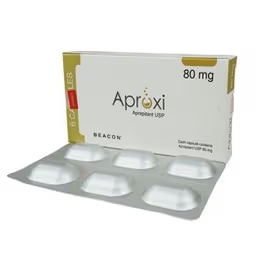
Forms:Capsule

About Aprepitant

Indications of Aprepitant

Aprepitant is a selective neurokinin-1 (NK1) receptor antagonist used for the prevention of nausea and vomiting. It is not indicated for treatment of established nausea and vomiting — it is used preventively, before the emetogenic stimulus.

Established / FDA-approved uses (in combination therapy)

  • Prevention of chemotherapy-induced nausea and vomiting (CINV) associated with highly emetogenic cancer chemotherapy, including high-dose cisplatin, and with moderately emetogenic chemotherapy. Aprepitant is always used as part of a combination antiemetic regimen together with a 5-HT3 receptor antagonist (e.g. ondansetron) and a corticosteroid (e.g. dexamethasone) — it is not effective as monotherapy for this purpose.
  • Prevention of postoperative nausea and vomiting (PONV) in adults, given as a single preoperative dose.

Population-specific approval

  • Oral suspension: approved for CINV prevention in patients 6 months of age and older.
  • Capsules: approved for CINV prevention in patients 12 years of age and older, and for PONV prevention in adults.

Dosage & Administration of Aprepitant

Prevention of chemotherapy-induced nausea and vomiting (CINV)

PopulationDay 1Day 2Day 3
Adults and children ≥12 years (capsules)125 mg orally, 1 hour before chemotherapy80 mg orally once daily80 mg orally once daily
Children 6 months to <12 years (oral suspension)3 mg/kg orally (max 125 mg), 1 hour before chemotherapy2 mg/kg orally (max 80 mg) once daily2 mg/kg orally (max 80 mg) once daily

Aprepitant must be given together with a 5-HT3 receptor antagonist and a corticosteroid (e.g. dexamethasone), as part of a complete antiemetic regimen — see a physician's chemotherapy protocol for the exact companion drug schedule. On days without chemotherapy, the morning dose is taken without regard to chemotherapy timing.

Prevention of postoperative nausea and vomiting (PONV)

PopulationDose
Adults40 mg orally as a single dose, within 3 hours prior to induction of anesthesia

Administration notes

  • Capsules may be taken with or without food.
  • Reconstituted oral suspension must be shaken and measured using the supplied dosing device — see Reconstitution.
  • Aprepitant is not intended to treat nausea and vomiting that has already started — it is for prevention only.

Dose adjustment in organ impairment

  • Hepatic impairment: No adjustment needed for mild to moderate impairment. Data are limited in severe hepatic impairment — use with caution.
  • Renal impairment: No dose adjustment required; Aprepitant is not removed by hemodialysis.

Side Effects of Aprepitant

Aprepitant is generally well tolerated. The most common side effects are fatigue, hiccups, and constipation.

FrequencyAdultsChildren
Common (≥3%)Fatigue, hiccups, constipation, diarrhea, asthenia (weakness), dyspepsia, abdominal pain, headache, dizziness, decreased appetiteDecreased appetite, headache, cough, fatigue, diarrhea
Less commonElevated liver enzymes, insomnia, anxietyNeutropenia (low white blood cell count)
Rare but seriousHypersensitivity reactions including anaphylaxis and angioedema; severe skin reactions (e.g. Stevens-Johnson syndrome)Same as adults; report promptly

Patients should seek urgent medical attention for signs of a serious allergic reaction (rash, swelling of the face/throat, difficulty breathing) or a severe skin reaction while taking Aprepitant.

Contraindications of Aprepitant

Aprepitant is contraindicated in:

  • Patients with known hypersensitivity to aprepitant or any component of the formulation.
  • Patients receiving concurrent pimozide, due to the risk of serious or fatal cardiac arrhythmia from CYP3A4-mediated elevation of pimozide levels.

Frequently Asked Questions about Aprepitant

What is Aprepitant used for?

Aprepitant is used to prevent nausea and vomiting caused by cancer chemotherapy (given together with other antiemetic medicines) and to prevent nausea and vomiting after surgery. It is a preventive medicine and does not treat nausea or vomiting that has already started.

Can Aprepitant be used alone for chemotherapy-related nausea?

No. For chemotherapy-induced nausea and vomiting, Aprepitant must always be combined with a 5-HT3 receptor antagonist and a corticosteroid such as dexamethasone. Using Aprepitant alone is not effective for this purpose.

Does Aprepitant affect birth control pills?

Yes. Aprepitant can reduce the effectiveness of hormonal contraceptives during treatment and for up to one month afterward. Use an alternative or back-up non-hormonal method of contraception during this period.

Can I take Aprepitant with warfarin?

Aprepitant can lower the INR in patients taking warfarin, which may reduce warfarin's blood-thinning effect. If you take warfarin, your physician should monitor your INR closely, especially about 7 to 10 days after each course of Aprepitant.

Is Aprepitant safe during pregnancy or breastfeeding?

Aprepitant should be used in pregnancy only if clearly needed, since adequate human safety data are lacking; discuss the benefits and risks with your physician. It is not known whether Aprepitant passes into human breast milk, so a physician should help decide whether to pause breastfeeding during and shortly after treatment.

What are the most common side effects of Aprepitant?

The most common side effects are fatigue, hiccups, and constipation. Other effects can include diarrhea, headache, dizziness, and reduced appetite. Seek urgent medical care for signs of a serious allergic reaction such as facial swelling, rash, or difficulty breathing.

Disclaimer

The information provided is accurate to the best of our knowledge, but it does not replace professional medical advice. We cannot guarantee its completeness or accuracy, and the absence of specific information about a drug should not be taken as an endorsement. We are not responsible for any consequences arising from this information, so please consult a healthcare professional for any concerns or questions.
DoctorBlogArticles