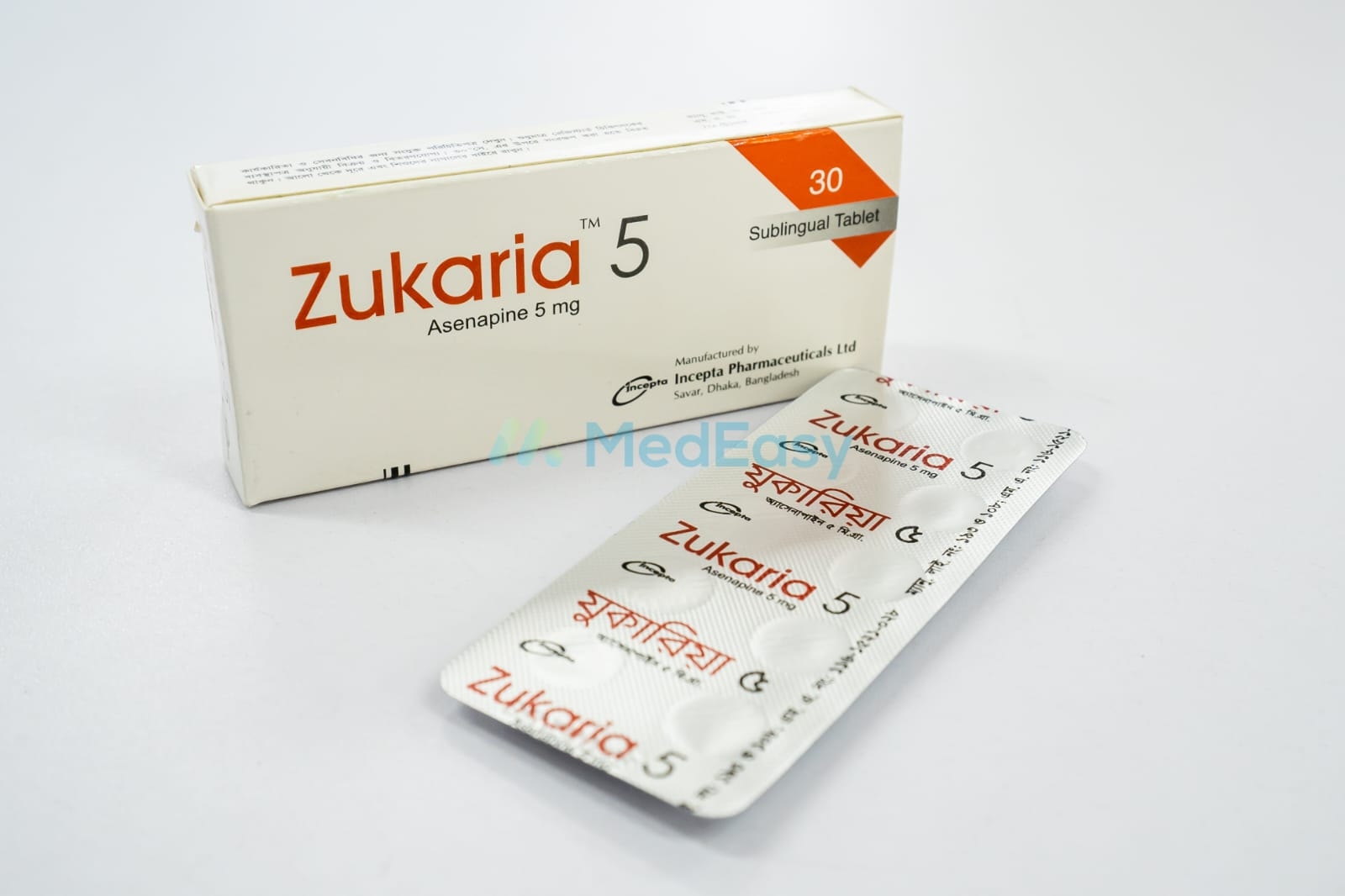
Generic medicine

Asenapine Maleate: Brands, Price & Uses in Bangladesh

Asenapine Maleate is an atypical (second-generation) antipsychotic indicated for: Schizophrenia — treatment in adults and adolescents (10-17 years); this is an FDA-approved and more.

Forms:Sublingual Tablet

About Asenapine Maleate

Indications of Asenapine Maleate

Asenapine Maleate is an atypical (second-generation) antipsychotic indicated for:

  • Schizophrenia — treatment in adults and adolescents (10-17 years); this is an FDA-approved, well-established indication.
  • Bipolar I disorder, acute manic or mixed episodes — as monotherapy or as adjunct to lithium or valproate, in adults and adolescents (10-17 years); FDA-approved.
  • Bipolar I disorder maintenance therapy — as monotherapy in adults, based on continuation-of-response trial data (guideline-supported/adjunct use).

Asenapine Maleate is not approved for the treatment of psychosis associated with dementia (see Precautions and Warnings, boxed warning).

Dosage & Administration of Asenapine Maleate

Schizophrenia

PopulationRecommended Dose
AdultsInitial 5 mg sublingually twice daily; may increase to 10 mg twice daily based on efficacy and tolerability.
Adolescents (10-17 years)2.5 mg sublingually twice daily; may increase to 5 mg twice daily after at least 3 days if needed and tolerated.

Bipolar I Disorder — Acute Manic or Mixed Episodes

PopulationRecommended Dose
Adults (monotherapy)Initial 10 mg sublingually twice daily; may reduce to 5 mg twice daily if not tolerated.
Adults (adjunct to lithium or valproate)5 mg sublingually twice daily; may increase to 10 mg twice daily based on response.
Adolescents (10-17 years)Initial 2.5 mg sublingually twice daily, may increase to 5 mg then 10 mg twice daily at intervals of at least 3 days based on response and tolerability.

Renal Impairment

No dose adjustment of Asenapine Maleate is required in patients with any degree of renal impairment.

Hepatic Impairment

No dose adjustment is needed in mild (Child-Pugh A) or moderate (Child-Pugh B) hepatic impairment. Use in severe hepatic impairment (Child-Pugh C) is contraindicated (see Contraindications).

Side Effects of Asenapine Maleate

Common side effects of Asenapine Maleate include:

  • Somnolence (drowsiness) and sedation
  • Oral hypoesthesia (numbness or reduced sensation of the mouth/tongue) — a distinctive and characteristic side effect of sublingual Asenapine Maleate, usually transient
  • Akathisia (restlessness) and other extrapyramidal symptoms
  • Dizziness
  • Weight gain
  • Increased appetite
  • Fatigue
  • Dysgeusia (altered taste)

Less common but serious effects include neuroleptic malignant syndrome, tardive dyskinesia, orthostatic hypotension/syncope, QT prolongation, seizures, leukopenia/neutropenia, hyperprolactinemia, and metabolic changes (dyslipidemia, hyperglycemia) — see Precautions and Warnings for details.

Contraindications of Asenapine Maleate

  • Known hypersensitivity to Asenapine Maleate or any component of the formulation; severe hypersensitivity reactions including anaphylaxis have been reported.
  • Severe hepatic impairment (Child-Pugh C).

Frequently Asked Questions about Asenapine Maleate

What is Asenapine Maleate used for?

Asenapine Maleate is an atypical antipsychotic used to treat schizophrenia and acute manic or mixed episodes associated with bipolar I disorder in adults and adolescents (10-17 years).

How should I take Asenapine Maleate?

Asenapine Maleate is taken sublingually (under the tongue) only. Place the tablet under your tongue and let it dissolve completely — do not swallow, chew, or crush it. Avoid eating or drinking for at least 10 minutes afterward, as this can reduce absorption and effectiveness.

Why does my mouth feel numb after taking Asenapine Maleate?

Oral hypoesthesia, a temporary numbness or reduced sensation of the mouth or tongue, is a distinctive and well-recognized side effect of Asenapine Maleate. It is usually mild and transient, but tell your physician if it is bothersome or persistent.

Can Asenapine Maleate be used in elderly patients with dementia?

No. Asenapine Maleate carries a boxed warning because elderly patients with dementia-related psychosis treated with antipsychotic drugs, including Asenapine Maleate, have an increased risk of death. Asenapine Maleate is not approved for this use.

Is Asenapine Maleate safe during pregnancy?

Asenapine Maleate should be used during pregnancy only if the potential benefit justifies the potential risk to the fetus, as safety has not been well established. Babies exposed in the third trimester may be at risk for movement or withdrawal symptoms after birth. Always consult your physician before using Asenapine Maleate if you are pregnant or planning pregnancy.

What should I do if I miss a dose or suspect an overdose of Asenapine Maleate?

If you miss a dose, take it as soon as you remember unless it is close to the next dose — do not double up. If you suspect an overdose of Asenapine Maleate, seek immediate medical attention or contact emergency services/poison control right away.

Disclaimer

The information provided is accurate to the best of our knowledge, but it does not replace professional medical advice. We cannot guarantee its completeness or accuracy, and the absence of specific information about a drug should not be taken as an endorsement. We are not responsible for any consequences arising from this information, so please consult a healthcare professional for any concerns or questions.

DoctorBlogArticles