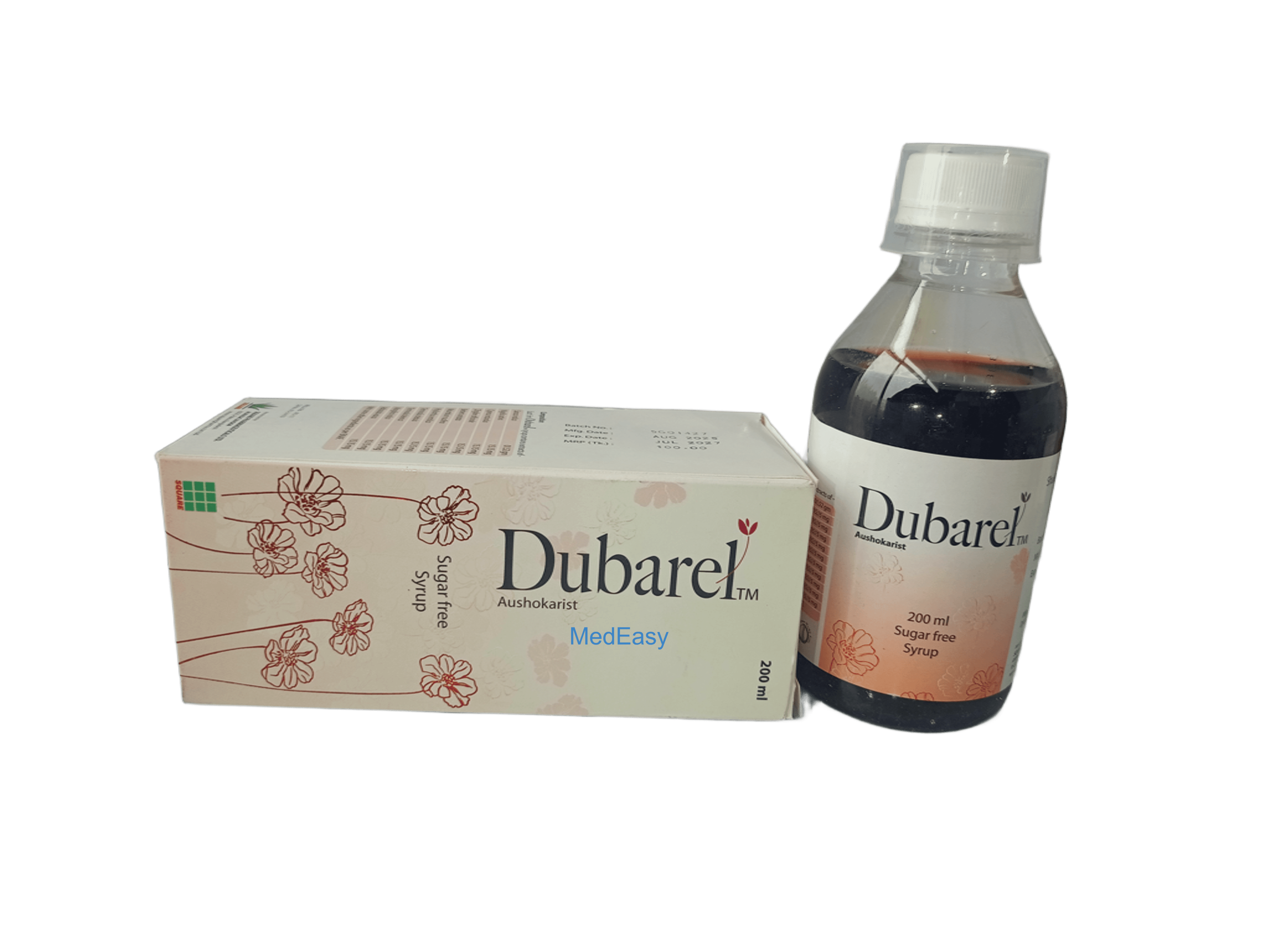
Generic medicine

Aushokarist: Brands, Price & Uses in Bangladesh

Aushokarist is a traditional Ayurvedic (arishta-type) fermented polyherbal preparation.

Forms:Syrup

About Aushokarist

Indications of Aushokarist

Aushokarist is a traditional Ayurvedic (arishta-type) fermented polyherbal preparation. It is not an FDA-approved pharmaceutical drug and has not been evaluated through rigorous modern clinical trials; its use is based on classical Ayurvedic texts and traditional practice rather than modern evidence-based medicine. Reported traditional uses include:

  • Menstrual cycle support: traditionally used as a general tonic for menstrual irregularities and cycle regularity.
  • Dysmenorrhea (menstrual discomfort): traditionally used to help ease menstrual-related discomfort.
  • Leucorrhea/general gynecological tonic use: traditionally used as a supportive uterine and reproductive-health tonic in women.

These are traditional/evidence-limited indications only. Aushokarist should not be used as a substitute for medical evaluation of persistent, heavy, or abnormal gynecological symptoms, and should be used only under the guidance of a qualified physician or registered Ayurvedic practitioner.

Dosage & Administration of Aushokarist

PopulationTypical traditional doseNotes
Adult women15-30 mL, taken 1-2 times daily after meals, mixed with an equal quantity of waterExact dose and duration should be individualized by a qualified physician or registered Ayurvedic practitioner; do not exceed the label-recommended dose.
ChildrenNot recommendedSafety and appropriate dosing in children have not been established; avoid use unless specifically directed by a qualified practitioner.
Pregnant/breastfeeding womenAvoidSee Pregnancy and Lactation section.

Shake the bottle well before use. Aushokarist should be taken exactly as directed on the label or as advised by a physician/Ayurvedic practitioner; do not use for longer than advised without medical review.

Side Effects of Aushokarist

Reported side effects of Aushokarist are generally mild and not systematically studied. They may include:

  • Mild gastric discomfort, nausea, or acidity, particularly if taken undiluted or on an empty stomach.
  • Rare hypersensitivity reactions (skin rash, itching) in sensitive individuals.
  • Mild drowsiness in alcohol-sensitive individuals, related to its self-generated alcohol content.

Discontinue Aushokarist and seek medical advice if any persistent or concerning symptoms occur.

Contraindications of Aushokarist

Aushokarist is contraindicated in:

  • Known hypersensitivity to Ashoka (Saraca asoca) or any other component of Aushokarist.
  • Patients currently being treated with disulfiram, metronidazole, or other alcohol-sensitizing medications, due to the self-generated alcohol content of Aushokarist.
  • Known alcohol-use disorder, given the self-generated alcohol content of Aushokarist.

Frequently Asked Questions about Aushokarist

What is Aushokarist used for?

Aushokarist is a traditional Ayurvedic tonic used to support menstrual cycle regularity and general gynecological health. It is a traditional remedy with limited modern clinical evidence, not an FDA-approved drug, and should not replace medical evaluation for persistent gynecological symptoms.

How should I take Aushokarist?

Aushokarist is usually taken orally, 15-30 mL once or twice daily after meals, diluted with an equal amount of water, or as directed by a physician or registered Ayurvedic practitioner. Shake well before use and do not exceed the recommended dose.

Does Aushokarist contain alcohol?

Yes. Aushokarist is a fermented ('arishta'-type) preparation that contains a small amount of self-generated alcohol. It should be avoided by people with a known alcohol-use disorder or those taking disulfiram, metronidazole, or similar alcohol-sensitizing medications, as this combination may cause a disulfiram-like reaction.

Can I take Aushokarist during pregnancy or while breastfeeding?

Aushokarist is not recommended during pregnancy, as safety has not been established and this type of traditional formulation is generally considered inappropriate in pregnancy. During breastfeeding, safety data are limited and its alcohol content is an additional concern; use only if a physician specifically advises it, weighing benefit against potential risk to the infant.

What are the side effects of Aushokarist?

Aushokarist may cause mild gastric discomfort, nausea, or acidity, especially if taken undiluted, and rarely, hypersensitivity reactions such as rash or itching. Alcohol-sensitive individuals may notice mild drowsiness. Stop use and consult a physician if you experience persistent or concerning symptoms.

Who should not take Aushokarist?

Aushokarist should not be used by people with known hypersensitivity to Ashoka bark or any other ingredient, those with a known alcohol-use disorder, or those currently taking disulfiram, metronidazole, or other alcohol-sensitizing medications, due to its self-generated alcohol content. It should be used only under professional guidance given its traditional gynecological indication.

Disclaimer

The information provided is accurate to the best of our knowledge, but it does not replace professional medical advice. We cannot guarantee its completeness or accuracy, and the absence of specific information about a drug should not be taken as an endorsement. We are not responsible for any consequences arising from this information, so please consult a healthcare professional for any concerns or questions.

DoctorBlogArticles