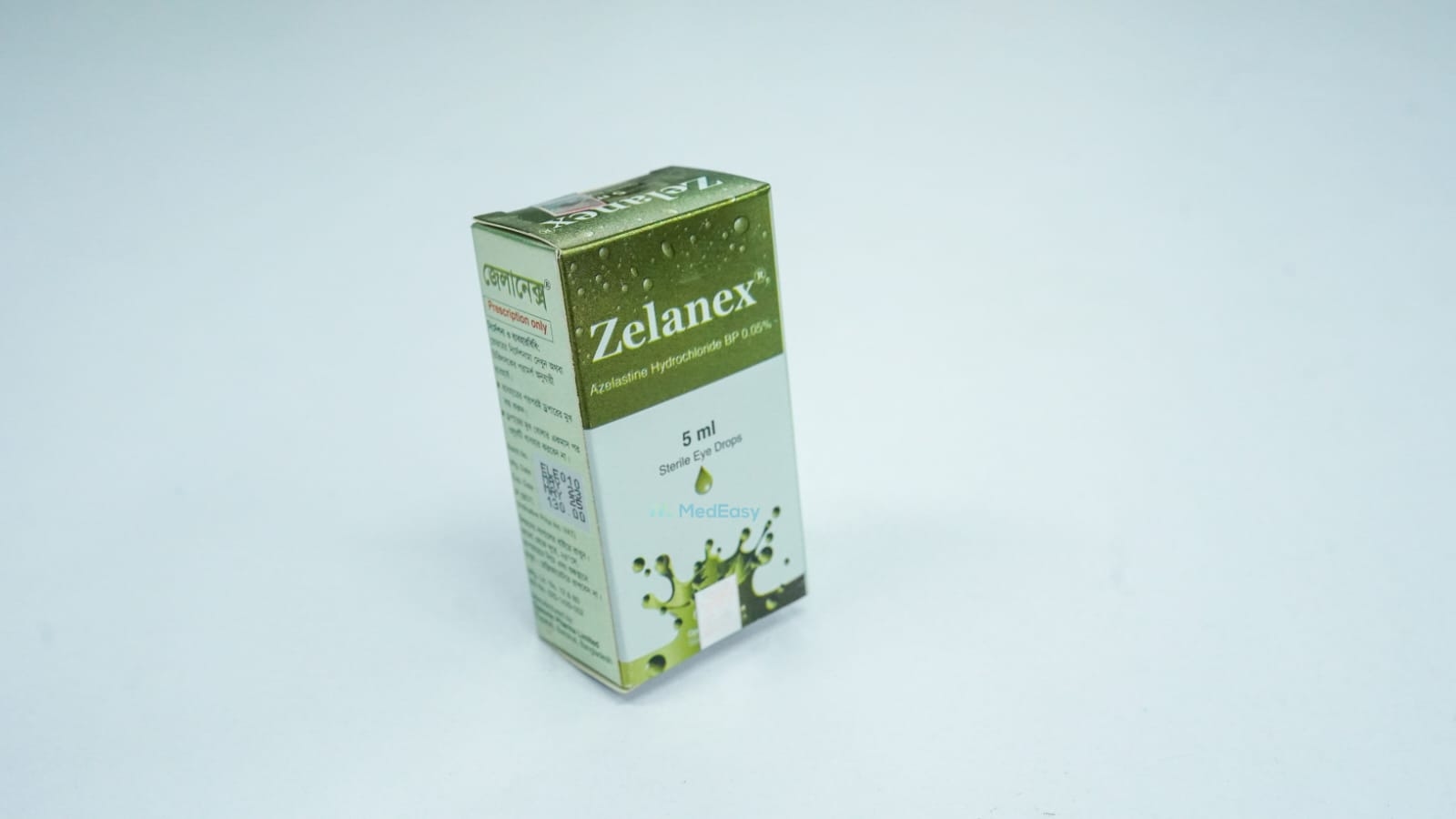
Generic medicine

Azelastine Hydrochloride: Brands, Price & Uses in Bangladesh

Established / FDA-Approved Uses Allergic rhinitis (nasal spray): Azelastine Hydrochloride nasal spray is indicated for relief of the symptoms of seasonal allergic rhinitis (sneezing, rhinorrhea and more.

Forms:Ophthalmic SolutionNasal Spray

About Azelastine Hydrochloride

Indications of Azelastine Hydrochloride

Established / FDA-Approved Uses

  • Allergic rhinitis (nasal spray): Azelastine Hydrochloride nasal spray is indicated for relief of the symptoms of seasonal allergic rhinitis (sneezing, rhinorrhea, nasal itching, nasal congestion) and perennial allergic rhinitis.
  • Vasomotor (non-allergic) rhinitis (nasal spray): Azelastine Hydrochloride nasal spray is also indicated for relief of the symptoms of vasomotor rhinitis.
  • Allergic conjunctivitis (ophthalmic solution): Azelastine Hydrochloride ophthalmic solution is indicated for the treatment of itching of the eye associated with allergic conjunctivitis.

Notes on Evidence and Use

These are the core, guideline-recognized indications for Azelastine Hydrochloride. It is not indicated for infectious (bacterial or viral) conjunctivitis or for sinusitis, and it is not a substitute for oral decongestants when significant nasal obstruction is the dominant symptom. Use outside these indications should be guided by a physician.

Dosage & Administration of Azelastine Hydrochloride

Overview

Dosing of Azelastine Hydrochloride depends on the formulation, the indication being treated, and the patient's age. See the Dosage and Administration sections below for full detail.

IndicationFormulationTypical Adult Dose
Seasonal/Perennial allergic rhinitisNasal spray 0.1%1–2 sprays per nostril twice daily
Seasonal allergic rhinitis (OTC strength)Nasal spray 0.15%1–2 sprays per nostril once or twice daily as labeled
Vasomotor rhinitisNasal spray 0.1%2 sprays per nostril twice daily
Allergic conjunctivitisOphthalmic solution 0.05%1 drop in each affected eye twice daily

See Dosage and Administration below, and consult a physician for individualized dosing, especially in children.

Side Effects of Azelastine Hydrochloride

Nasal Spray

  • Bitter taste (common, especially if the head is tilted back during use)
  • Somnolence/drowsiness
  • Headache
  • Nasal burning/irritation, epistaxis (nosebleed)
  • Pharyngitis, sneezing, dry mouth

Ophthalmic Solution

  • Transient eye burning or stinging on instillation
  • Headache
  • Bitter taste (if drainage occurs via the nasolacrimal duct)
  • Temporary blurred vision, eye irritation

Most reactions are mild and transient. Persistent, severe, or worsening reactions should be reported to a physician.

Contraindications of Azelastine Hydrochloride

Azelastine Hydrochloride is contraindicated in patients with known hypersensitivity to azelastine hydrochloride or to any component of the formulation.

Frequently Asked Questions about Azelastine Hydrochloride

What is Azelastine Hydrochloride used for?

Azelastine Hydrochloride is used as a nasal spray to relieve sneezing, runny nose, and nasal itching/congestion caused by seasonal or perennial allergic rhinitis and vasomotor rhinitis, and as eye drops to relieve itching from allergic conjunctivitis.

Why does Azelastine Hydrochloride nasal spray taste bitter?

A bitter taste is a common effect of Azelastine Hydrochloride nasal spray when some of the medicine drains from the nose into the throat. Tilting the head slightly forward (not backward) during use, as instructed by the pharmacist, helps reduce this.

Can Azelastine Hydrochloride make me drowsy?

Yes. Somnolence can occur with Azelastine Hydrochloride even though it is applied in the nose or eye rather than taken by mouth. Until you know how it affects you, use caution when driving or operating machinery, and avoid alcohol or other sedating medicines while using it.

Can I wear contact lenses while using Azelastine Hydrochloride eye drops?

If your eyes are red, remove contact lenses before instilling Azelastine Hydrochloride ophthalmic solution and wait for the period specified in the product instructions before reinserting them.

Is Azelastine Hydrochloride safe during pregnancy or breastfeeding?

Data are limited. Azelastine Hydrochloride should be used during pregnancy or breastfeeding only if clearly needed and if a physician determines that the benefit outweighs the potential risk. Always consult your physician first.

What should I do if too much Azelastine Hydrochloride is used or swallowed?

Seek immediate medical attention or contact emergency services/a poison control center. Do not attempt specific home treatment; excessive exposure may cause pronounced drowsiness and other exaggerated effects.

Disclaimer

The information provided is accurate to the best of our knowledge, but it does not replace professional medical advice. We cannot guarantee its completeness or accuracy, and the absence of specific information about a drug should not be taken as an endorsement. We are not responsible for any consequences arising from this information, so please consult a healthcare professional for any concerns or questions.

DoctorBlogArticles