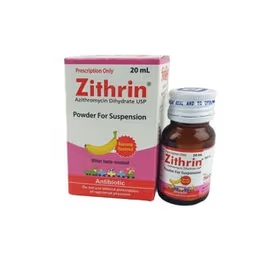
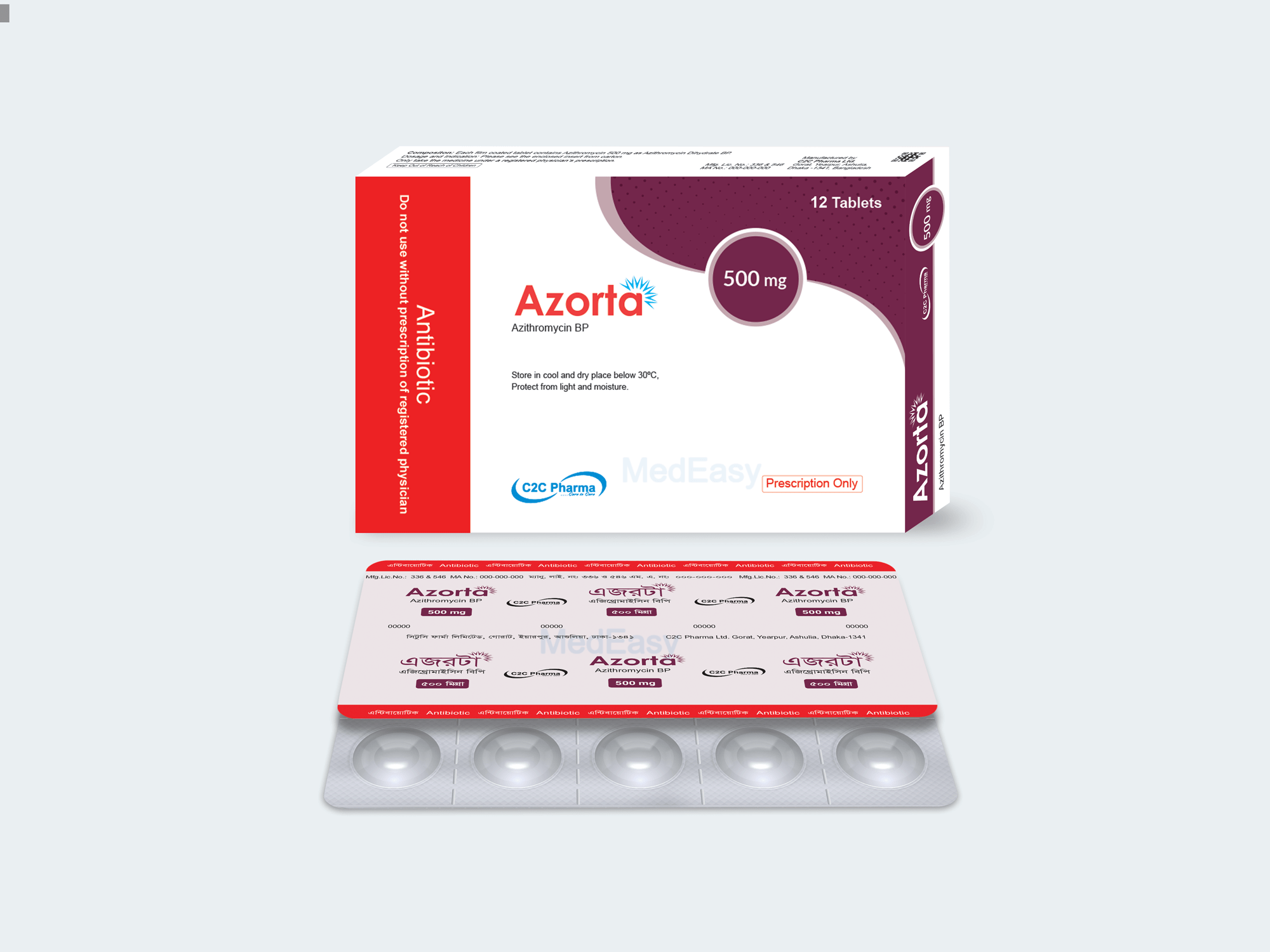
Generic medicine

Azithromycin Dihydrate: Brands, Price & Uses in Bangladesh

Azithromycin Dihydrate is a broad-spectrum macrolide (azalide) antibiotic used to treat a range of bacterial infections caused by susceptible organisms.

Forms:Powder for SuspensionSyrupOral SuspensionTablet

About Azithromycin Dihydrate

Indications of Azithromycin Dihydrate

Azithromycin Dihydrate is a broad-spectrum macrolide (azalide) antibiotic used to treat a range of bacterial infections caused by susceptible organisms. Indications vary by strength of clinical evidence:

Established / FDA-approved uses (adults)

  • Acute bacterial exacerbations of chronic bronchitis
  • Acute bacterial sinusitis
  • Community-acquired pneumonia (mild to moderate, outpatient)
  • Pharyngitis/tonsillitis, as an alternative in patients who cannot use first-line therapy
  • Uncomplicated skin and skin structure infections
  • Non-gonococcal urethritis and cervicitis due to Chlamydia trachomatis
  • Genital ulcer disease (chancroid) in men

Established / FDA-approved uses (pediatric, age-dependent)

  • Acute otitis media (children 6 months and older)
  • Community-acquired pneumonia (children 6 months and older)
  • Pharyngitis/tonsillitis (children 2 years and older), as an alternative therapy

Guideline-supported / commonly used indications

  • Uncomplicated gonococcal infections, typically as part of combination therapy per current treatment guidelines (not as monotherapy where resistance is a concern)
  • Prevention and treatment of Mycobacterium avium complex (MAC) disease in appropriate patients, generally as part of combination regimens
  • Traveler's diarrhea in adults (guideline-supported alternative in certain regions/resistance patterns)

Off-label uses (used in practice but not FDA-approved indications)

  • Certain sexually transmitted infections in combination regimens per local/international STI guidelines
  • Cystic fibrosis-related chronic pulmonary inflammation (anti-inflammatory/immunomodulatory use), under specialist supervision

Azithromycin Dihydrate is not appropriate for infections known or strongly suspected to be viral in origin, and its use should be guided by local susceptibility patterns and clinical judgment.

Dosage & Administration of Azithromycin Dihydrate

The dose and duration of Azithromycin Dihydrate depend on the specific infection being treated, the patient's age and weight, and local susceptibility patterns. See the "Dosage" and "Administration" sections below for indication-specific details.

Important: Take Azithromycin Dihydrate exactly as prescribed by your physician. Do not stop, extend, skip doses, or share this medicine with others without medical advice, even if symptoms improve before the course is finished, as incomplete courses may lead to treatment failure and contribute to antibiotic resistance.

Side Effects of Azithromycin Dihydrate

Most side effects of Azithromycin Dihydrate are mild and gastrointestinal, and it is generally better tolerated than older macrolides such as erythromycin.

Common (may affect more than 1 in 20 people)

  • Diarrhea/loose stools
  • Nausea
  • Abdominal pain
  • Vomiting
  • Headache

Less common

  • Dizziness
  • Rash
  • Mild, reversible elevation of liver enzymes

Rare but serious (seek medical attention promptly)

  • Severe allergic reactions (angioedema, severe skin reactions such as Stevens-Johnson syndrome, DRESS syndrome)
  • Liver injury or hepatic failure
  • QT-interval prolongation, irregular heartbeat (see Precautions and Warnings)
  • Clostridioides difficile-associated diarrhea, which can range from mild to life-threatening colitis
  • Worsening of myasthenia gravis symptoms
  • Hearing loss (usually reversible, reported mainly with high-dose or prolonged use)

Contact your physician if any side effect is severe, persistent, or if you notice signs of an allergic reaction, unusual heartbeat, dark urine, yellowing of the skin/eyes, or severe/persistent diarrhea while taking Azithromycin Dihydrate.

Contraindications of Azithromycin Dihydrate

Azithromycin Dihydrate is contraindicated in patients with:

  • Known hypersensitivity to azithromycin, erythromycin, any macrolide or ketolide antibiotic, or any component of the formulation.
  • A history of cholestatic jaundice or hepatic dysfunction that occurred with previous use of Azithromycin Dihydrate.

Frequently Asked Questions about Azithromycin Dihydrate

What is Azithromycin Dihydrate used for?

Azithromycin Dihydrate is a macrolide antibiotic used to treat bacterial infections such as respiratory tract infections (bronchitis, sinusitis, community-acquired pneumonia), throat infections, skin and soft tissue infections, and certain sexually transmitted infections such as chlamydial urethritis/cervicitis. It works only against bacterial infections, not viral illnesses like the common cold or flu.

How should I take Azithromycin Dihydrate?

Take Azithromycin Dihydrate exactly as prescribed by your physician, with or without food. Swallow tablets/capsules whole, or shake the oral suspension well and measure the dose accurately. Complete the entire prescribed course; do not stop, extend, skip doses, or share this medicine with others without medical advice, even if you start feeling better before finishing it.

Can Azithromycin Dihydrate be taken during pregnancy or while breastfeeding?

Azithromycin Dihydrate should be used during pregnancy only if clearly needed and if the potential benefit justifies the potential risk to the fetus; consult your physician first. It also passes into breast milk, so a physician should be consulted to weigh the benefits of breastfeeding against possible mild effects (such as diarrhea, vomiting, or rash) in the infant, who should be monitored if the mother is taking Azithromycin Dihydrate.

What are the common side effects of Azithromycin Dihydrate?

The most common side effects of Azithromycin Dihydrate are gastrointestinal, including diarrhea, nausea, abdominal pain, and vomiting. These are usually mild and temporary. Rare but serious effects include severe allergic reactions, liver problems, irregular heartbeat (QT prolongation), and severe diarrhea caused by Clostridioides difficile infection — seek medical attention promptly if these occur.

Who should not take Azithromycin Dihydrate?

Azithromycin Dihydrate should not be taken by people with known hypersensitivity to azithromycin, erythromycin, or any macrolide/ketolide antibiotic, or by those who previously developed cholestatic jaundice or liver dysfunction after taking Azithromycin Dihydrate. Inform your physician about any heart rhythm problems, liver disease, or myasthenia gravis before starting treatment, as extra caution is needed in these situations.

What should I do if I miss a dose or take too much Azithromycin Dihydrate?

If you miss a dose of Azithromycin Dihydrate, take it as soon as you remember unless it is nearly time for your next dose — do not double the dose. If you or someone else has taken more than the prescribed amount of Azithromycin Dihydrate, seek immediate medical attention or contact a poison control center/emergency services right away rather than trying to manage it at home.

Disclaimer

The information provided is accurate to the best of our knowledge, but it does not replace professional medical advice. We cannot guarantee its completeness or accuracy, and the absence of specific information about a drug should not be taken as an endorsement. We are not responsible for any consequences arising from this information, so please consult a healthcare professional for any concerns or questions.

DoctorBlogArticles