Generic medicine

Benzoyl Peroxide: Brands, Price & Uses in Bangladesh

Benzoyl Peroxide is a topical antibacterial and keratolytic agent used in the treatment of acne.

Forms:CreamTopical Gel

About Benzoyl Peroxide

Indications of Benzoyl Peroxide

Benzoyl Peroxide is a topical antibacterial and keratolytic agent used in the treatment of acne. Its evidence-based uses include:

Established / widely used indications

  • Acne vulgaris (mild to moderate): Benzoyl Peroxide is a first-line, well-established topical treatment for comedonal and inflammatory acne, used alone or as part of a combination regimen.

Combination/adjunct uses

  • Often combined with topical retinoids (e.g. adapalene, tretinoin), topical antibiotics (e.g. clindamycin, erythromycin), or salicylic acid preparations for enhanced efficacy in moderate acne, as fixed-dose combination products or as separately applied agents under medical guidance.
  • Used alongside topical or oral antibiotics specifically to reduce the risk of antibiotic resistance developing in Cutibacterium acnes.

Benzoyl Peroxide is not indicated for cystic/nodular acne as monotherapy, rosacea, or non-acne skin conditions without specific medical advice.

Dosage & Administration of Benzoyl Peroxide

Acne vulgaris (topical application)

PopulationRecommended regimen
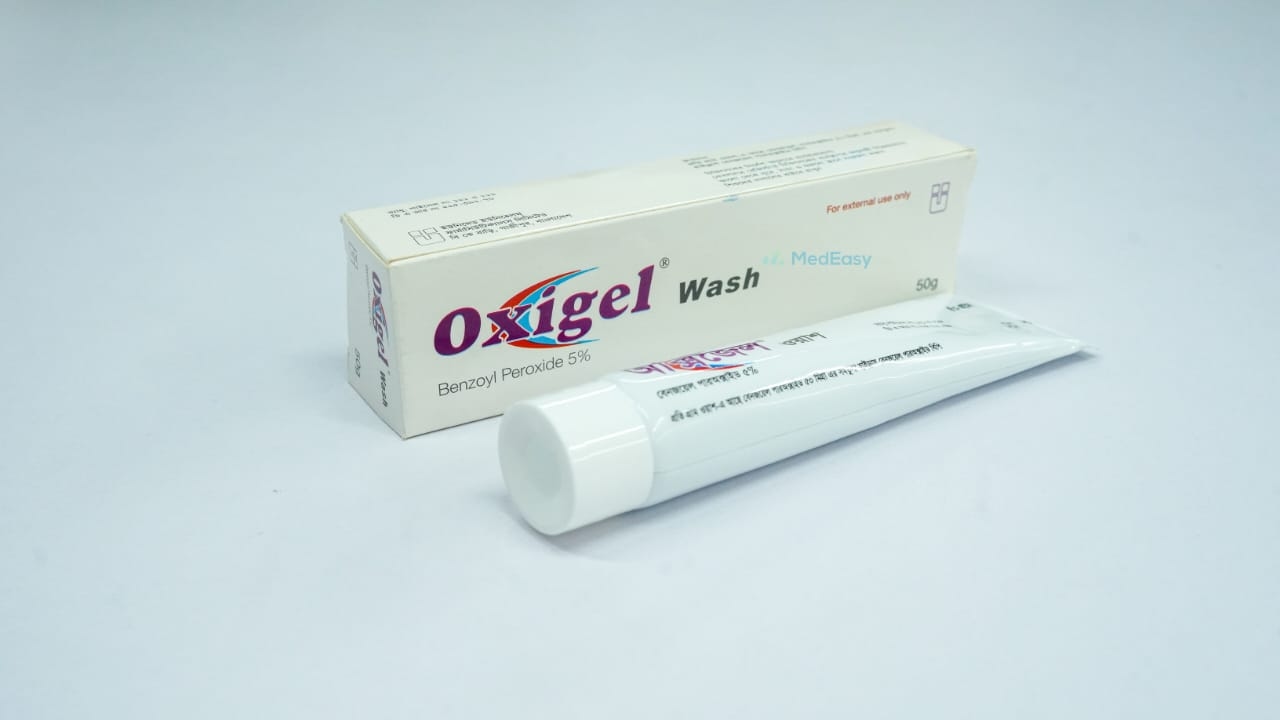
Adults and adolescents (typically ≥12 years)Apply a thin layer of Benzoyl Peroxide to clean, dry affected skin once daily initially; if tolerated, increase to twice daily after about one week. For wash/cleanser formulations, apply to wet skin, lather briefly (30–60 seconds), then rinse thoroughly and pat dry.
Children under 12 yearsSafety and efficacy not well established; use only under medical supervision.

General administration notes

  • For external/topical use only. Wash hands after application (unless hands are a treatment area).
  • Avoid contact with eyes, lips, mouth, and mucous membranes; rinse thoroughly with water if accidental contact occurs.
  • Start with the lowest effective strength/frequency and titrate upward gradually as tolerated to minimize irritation.
  • Apply sunscreen and limit sun exposure during treatment, as Benzoyl Peroxide can increase photosensitivity.
  • Improvement is usually seen after several weeks of consistent use; full benefit may take up to 8–12 weeks.

Side Effects of Benzoyl Peroxide

The most common side effects of Benzoyl Peroxide are local skin reactions, which are usually dose- and concentration-dependent and often improve with continued use or reduced frequency:

  • Dryness, peeling, and scaling of the skin
  • Redness (erythema) and mild burning or stinging, especially on initiation of therapy
  • Itching
  • Mild localized swelling (edema)

Less common but clinically important: allergic contact dermatitis, and rarely, severe allergic reactions (swelling of the face/throat, difficulty breathing, hives) — discontinue immediately and seek medical attention if these occur (see Precautions and Warnings).

Benzoyl Peroxide can also bleach hair and colored fabrics on contact; this is a cosmetic/material effect, not a health risk.

Contraindications of Benzoyl Peroxide

Benzoyl Peroxide is contraindicated in patients with known hypersensitivity to Benzoyl Peroxide or to any component of the specific formulation.

Frequently Asked Questions about Benzoyl Peroxide

What is Benzoyl Peroxide used for?

Benzoyl Peroxide is a topical medication mainly used to treat mild to moderate acne vulgaris. It reduces acne-causing bacteria (Cutibacterium acnes) on the skin and helps unclog pores by promoting skin peeling (exfoliation).

How should I apply Benzoyl Peroxide?

Wash and dry the affected area, then apply a thin layer of Benzoyl Peroxide once daily to start. If your skin tolerates it well, your physician may advise increasing to twice daily. For wash/cleanser forms, apply to wet skin, lather briefly, then rinse thoroughly.

Can Benzoyl Peroxide cause skin irritation?

Yes. Dryness, peeling, redness, and mild burning are common, especially when starting treatment or using higher strengths. Starting with a lower strength/frequency and gradually increasing usually reduces this. If irritation is severe, stop use and consult your physician.

Will Benzoyl Peroxide bleach my clothes or hair?

Yes, Benzoyl Peroxide can bleach hair and colored fabrics, including towels, clothing, and bedding, on contact. Let the product dry completely before it touches fabric, and consider using white towels and pillowcases during treatment.

Is Benzoyl Peroxide safe to use during pregnancy or breastfeeding?

Benzoyl Peroxide has minimal absorption into the body when applied to the skin, but formal safety data in pregnancy are limited. It should be used during pregnancy only if clearly needed, after consulting a physician who can weigh potential benefits against potential risks. During breastfeeding, avoid applying it to the chest/nipple area and consult a physician before use.

Can I use Benzoyl Peroxide with other acne treatments?

Benzoyl Peroxide is often combined with topical retinoids or antibiotics for better results, but combining it with other strong topical acne products without medical guidance can increase irritation. Follow your physician's instructions on how and when to use multiple products together.

Disclaimer

The information provided is accurate to the best of our knowledge, but it does not replace professional medical advice. We cannot guarantee its completeness or accuracy, and the absence of specific information about a drug should not be taken as an endorsement. We are not responsible for any consequences arising from this information, so please consult a healthcare professional for any concerns or questions.
DoctorBlogArticles