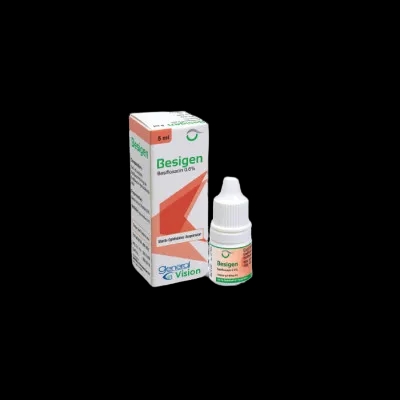
Generic medicine

Besifloxacin: Brands, Price & Uses in Bangladesh

Besifloxacin ophthalmic suspension is FDA-approved for the treatment of bacterial conjunctivitis (pink eye) caused by susceptible strains of bacteria in patients 1 year of age and older.

Forms:Ophthalmic SolutionOphthalmic Suspension

About Besifloxacin

Indications of Besifloxacin

Besifloxacin ophthalmic suspension is FDA-approved for the treatment of bacterial conjunctivitis (pink eye) caused by susceptible strains of bacteria in patients 1 year of age and older.

Established/Approved Use

  • Bacterial conjunctivitis caused by susceptible isolates of organisms such as Staphylococcus aureus, coagulase-negative staphylococci (including Staphylococcus epidermidis), Streptococcus pneumoniae, Streptococcus mitis group, Haemophilus influenzae, and other susceptible ocular pathogens.

Besifloxacin is intended for topical ophthalmic (eye) use only and is not approved for any systemic infection, viral conjunctivitis, or fungal/other non-bacterial eye infections.

Dosage & Administration of Besifloxacin

Dosage by Indication

IndicationAge GroupDose
Bacterial conjunctivitisAdults and children 1 year of age and olderInstill 1 drop of Besifloxacin in the affected eye(s) 3 times daily, 4 to 12 hours apart, for 7 days
Bacterial conjunctivitisChildren under 1 year of ageSafety and efficacy of Besifloxacin have not been established; not recommended

Administration Instructions

  • Shake the bottle well before each use.
  • Wash hands before instilling the drop.
  • Tilt the head back slightly and instill 1 drop into the affected eye(s); avoid letting the dropper tip touch the eye, eyelid, fingers, or any other surface to prevent contamination.
  • Remove contact lenses before instillation; contact lenses should not be worn during an active bacterial conjunctivitis infection.
  • If more than one topical ophthalmic medicine is being used, space them at least 5-10 minutes apart.

Antibiotic stewardship: Take Besifloxacin exactly as prescribed by your physician; complete the full 7-day course even if symptoms improve earlier. Do not stop, extend, skip doses, or share this medicine with others without medical advice, as incomplete courses may promote the growth of resistant bacteria.

Side Effects of Besifloxacin

The most commonly reported adverse reaction with Besifloxacin in clinical trials was:

  • Conjunctival redness (eye redness)

Other reported adverse reactions, generally mild and localized to the eye, include:

  • Blurred vision
  • Eye pain, irritation, or itching (ocular discomfort)
  • Headache
  • Mucopurulent discharge
  • Eyelid crusting or redness
  • Reduced visual acuity

Hypersensitivity reactions (see Contraindications) can occur rarely; discontinue Besifloxacin and seek medical attention if signs of an allergic reaction occur.

Contraindications of Besifloxacin

Besifloxacin ophthalmic suspension is contraindicated in patients with known hypersensitivity to besifloxacin or to other fluoroquinolone antibacterial agents.

Frequently Asked Questions about Besifloxacin

What is Besifloxacin used for?

Besifloxacin ophthalmic suspension is used to treat bacterial conjunctivitis (pink eye) caused by susceptible bacteria in adults and children 1 year of age and older. It is for eye use only and does not treat viral or allergic conjunctivitis.

How should I use Besifloxacin eye drops?

Shake the bottle well, wash your hands, and instill 1 drop of Besifloxacin into the affected eye(s) 3 times daily, 4 to 12 hours apart, for 7 days, unless your physician directs otherwise. Avoid letting the dropper tip touch your eye or any surface. Complete the full course even if your eyes feel better sooner, and do not stop, extend, skip doses, or share this medicine with others without medical advice.

Can I wear contact lenses while using Besifloxacin?

No. Contact lenses should not be worn while you have signs or symptoms of bacterial conjunctivitis or during treatment with Besifloxacin, as lenses may worsen the infection or reduce effectiveness.

What are the common side effects of Besifloxacin?

The most common side effect of Besifloxacin is redness of the eye (conjunctival redness). Other possible effects include blurred vision, eye irritation or pain, headache, and eye discharge. Most reactions are mild and localized to the eye. Seek medical attention if you notice signs of an allergic reaction such as rash, swelling, or severe itching.

Is Besifloxacin safe during pregnancy or breastfeeding?

There are no adequate studies of Besifloxacin in pregnant women, and it is not known whether it passes into breast milk. Although absorption into the body after eye use is minimal, Besifloxacin should only be used during pregnancy or breastfeeding if a physician determines the benefit outweighs any potential risk. Always consult your doctor first.

What should I do if I miss a dose or think I've used too much Besifloxacin?

If you miss a dose of Besifloxacin, instill it as soon as you remember and then continue your regular schedule; do not double up. Overdose is unlikely with eye drops, but if you accidentally swallow Besifloxacin or a large amount is used, seek immediate medical attention or contact a poison control center or emergency services.

Disclaimer

The information provided is accurate to the best of our knowledge, but it does not replace professional medical advice. We cannot guarantee its completeness or accuracy, and the absence of specific information about a drug should not be taken as an endorsement. We are not responsible for any consequences arising from this information, so please consult a healthcare professional for any concerns or questions.

DoctorBlogArticles