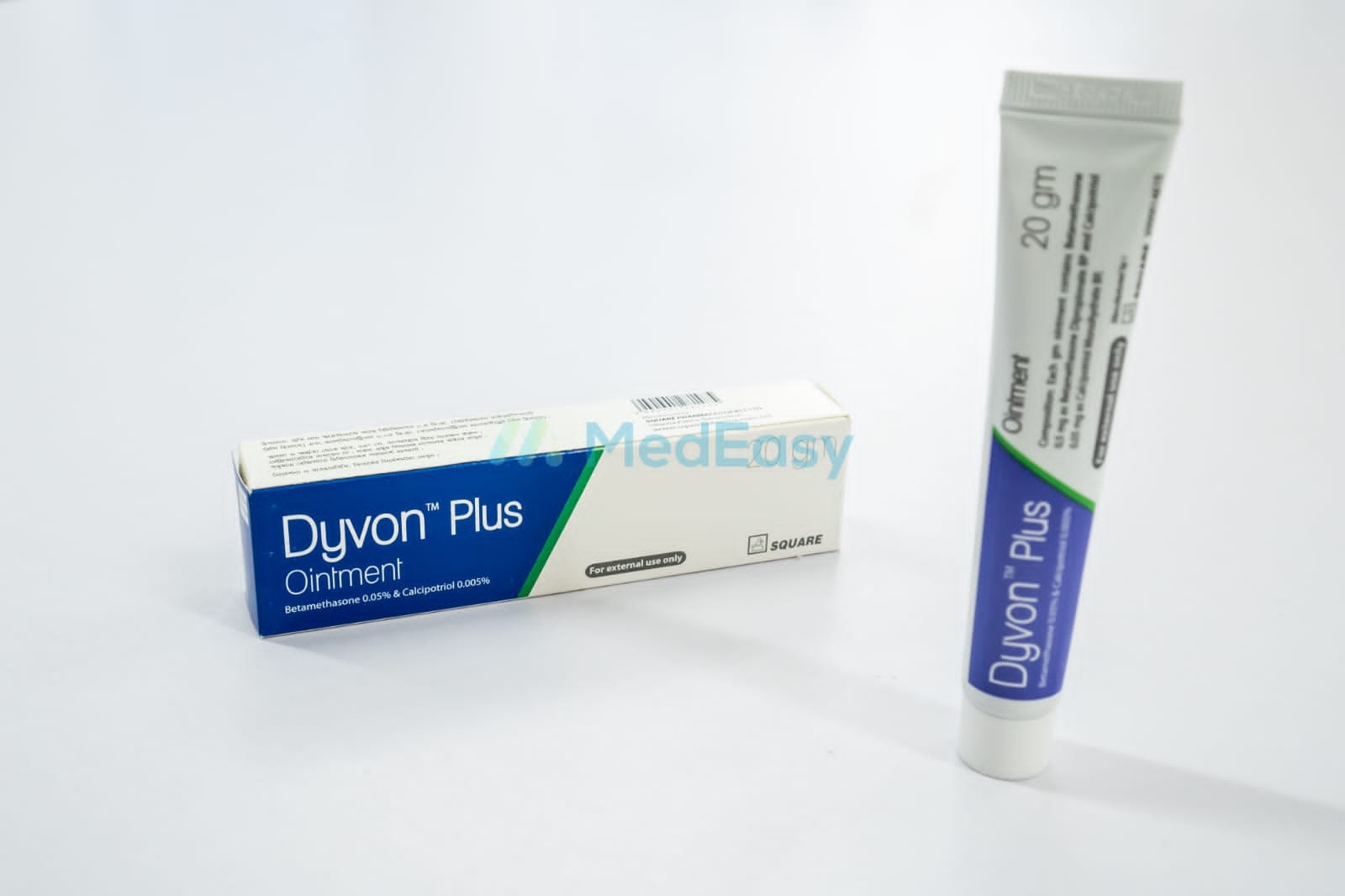
Generic medicine

Betamethasone + Calcipotriol: Brands, Price & Uses in Bangladesh

Betamethasone + Calcipotriol is a fixed-dose topical combination indicated for the treatment of plaque psoriasis (psoriasis vulgaris) of the skin and scalp in patients whose disease is suitable for…

Forms:OintmentSuspension

About Betamethasone + Calcipotriol

Indications of Betamethasone + Calcipotriol

Betamethasone + Calcipotriol is a fixed-dose topical combination indicated for the treatment of plaque psoriasis (psoriasis vulgaris) of the skin and scalp in patients whose disease is suitable for topical therapy.

  • Established/approved use: Once-daily topical treatment of plaque psoriasis in adults (ointment, gel, and foam formulations); certain formulations are approved for adolescents 12 years and above.
  • Guideline-supported use: Recommended by dermatology treatment guidelines as a first-line topical option for mild-to-moderate plaque psoriasis, and it is generally preferred over either monotherapy component alone because it achieves faster and more complete clearance.
  • Scalp psoriasis: Gel and foam formulations of Betamethasone + Calcipotriol are specifically used for plaque psoriasis of the scalp.
  • Long-term/maintenance use: Some formulations are approved for intermittent use for up to 52 weeks under physician supervision, with periodic reassessment.

Betamethasone + Calcipotriol is not indicated for erythrodermic, exfoliative, or guttate psoriasis, and is not intended for use on the face, groin, axillae, or other skin-fold areas.

Dosage & Administration of Betamethasone + Calcipotriol

Betamethasone + Calcipotriol is for external (topical) use only and should be applied exactly as directed by the physician.

Indication/FormAdult DoseNotes
Plaque psoriasis (body) - OintmentApply a thin layer to affected skin once dailyTreatment courses of up to 4 weeks at a time are typical; intermittent longer-term use (up to 52 weeks) may be directed by a physician with periodic review
Plaque psoriasis (scalp) - Gel/FoamApply once daily to the scalp lesionsMassage gently into affected scalp areas only
Maximum weekly quantity (all forms)Not to exceed 100 g (or 15 g/day) per weekApplies to adults; do not treat more than 30% of total body surface area at one time

Pediatric (12-17 years): Some formulations are approved for adolescents at a reduced maximum of 60 g per week, once-daily application, for up to 4 weeks, under direct physician supervision.

Application instructions: Wash and dry hands before and after application (unless hands are being treated). Apply a thin film and rub in gently. Avoid application to the face, groin, axillae, and other skin folds. Do not use occlusive dressings unless specifically instructed by a physician.

Side Effects of Betamethasone + Calcipotriol

Most adverse effects of Betamethasone + Calcipotriol are local and mild-to-moderate:

  • Common: Pruritus (itching), skin irritation, burning sensation at the application site, erythema (redness).
  • Less common: Folliculitis, skin dryness, exacerbation of psoriasis, rash, pain or other skin discomfort.
  • Uncommon but important (usually with prolonged/extensive use): Skin atrophy, telangiectasia, striae, hypopigmentation, hypercalcemia, and (very rarely) systemic corticosteroid effects (see Precautions and Warnings).

Patients should report any unusual or persistent skin reaction, or symptoms suggestive of hypercalcemia (e.g., nausea, weakness, excessive thirst), to their physician.

Contraindications of Betamethasone + Calcipotriol

Betamethasone + Calcipotriol is contraindicated in patients with:

  • Known hypersensitivity to betamethasone, calcipotriol, or any excipient in the formulation.
  • Known disorders of calcium metabolism (e.g., conditions predisposing to hypercalcemia).

It should not be applied to skin affected by viral infections (e.g., herpes simplex, varicella), fungal or bacterial skin infections, or parasitic skin infections, and should not be used on the face.

Frequently Asked Questions about Betamethasone + Calcipotriol

What is Betamethasone + Calcipotriol used for?

Betamethasone + Calcipotriol is a topical combination medicine used to treat plaque psoriasis of the skin and scalp. It combines a corticosteroid and a vitamin D3 analogue to reduce inflammation, itching, and the thick scaly patches typical of psoriasis.

How should I apply Betamethasone + Calcipotriol?

Apply a thin layer of Betamethasone + Calcipotriol to the affected skin once daily, as directed by your physician, and rub it in gently. Avoid applying it to the face, groin, armpits, or skin folds, and do not exceed the maximum weekly amount your doctor has recommended, since overuse increases the risk of side effects such as skin thinning and elevated calcium levels.

Can I use Betamethasone + Calcipotriol for a long time?

Continuous use is generally limited to 4 weeks at a time. For longer-term disease control, your physician may prescribe intermittent use for up to a year, with regular check-ups to monitor your skin and calcium levels. Do not use it longer than prescribed without medical review.

Is Betamethasone + Calcipotriol safe during pregnancy or breastfeeding?

Data are limited. Betamethasone + Calcipotriol should be used during pregnancy or breastfeeding only if clearly needed and the potential benefit justifies the potential risk, and only under a physician's advice. If breastfeeding, avoid applying it to the breast or nipple area.

Who should not use Betamethasone + Calcipotriol?

Betamethasone + Calcipotriol should not be used by people with a known allergy to betamethasone, calcipotriol, or any ingredient in the product, or by people with disorders of calcium metabolism. It should also not be applied to skin with viral, fungal, or bacterial infections, or to the face.

What side effects should I watch for with Betamethasone + Calcipotriol?

Common side effects include itching, burning, redness, and irritation at the application site. Rarely, prolonged or excessive use can cause skin thinning, stretch marks, or elevated blood calcium (hypercalcemia), which can cause nausea, weakness, or excessive thirst - contact your doctor if these occur.

Disclaimer

The information provided is accurate to the best of our knowledge, but it does not replace professional medical advice. We cannot guarantee its completeness or accuracy, and the absence of specific information about a drug should not be taken as an endorsement. We are not responsible for any consequences arising from this information, so please consult a healthcare professional for any concerns or questions.

DoctorBlogArticles