
Generic medicine

Betamethasone Dipropionate: Brands, Price & Uses in Bangladesh

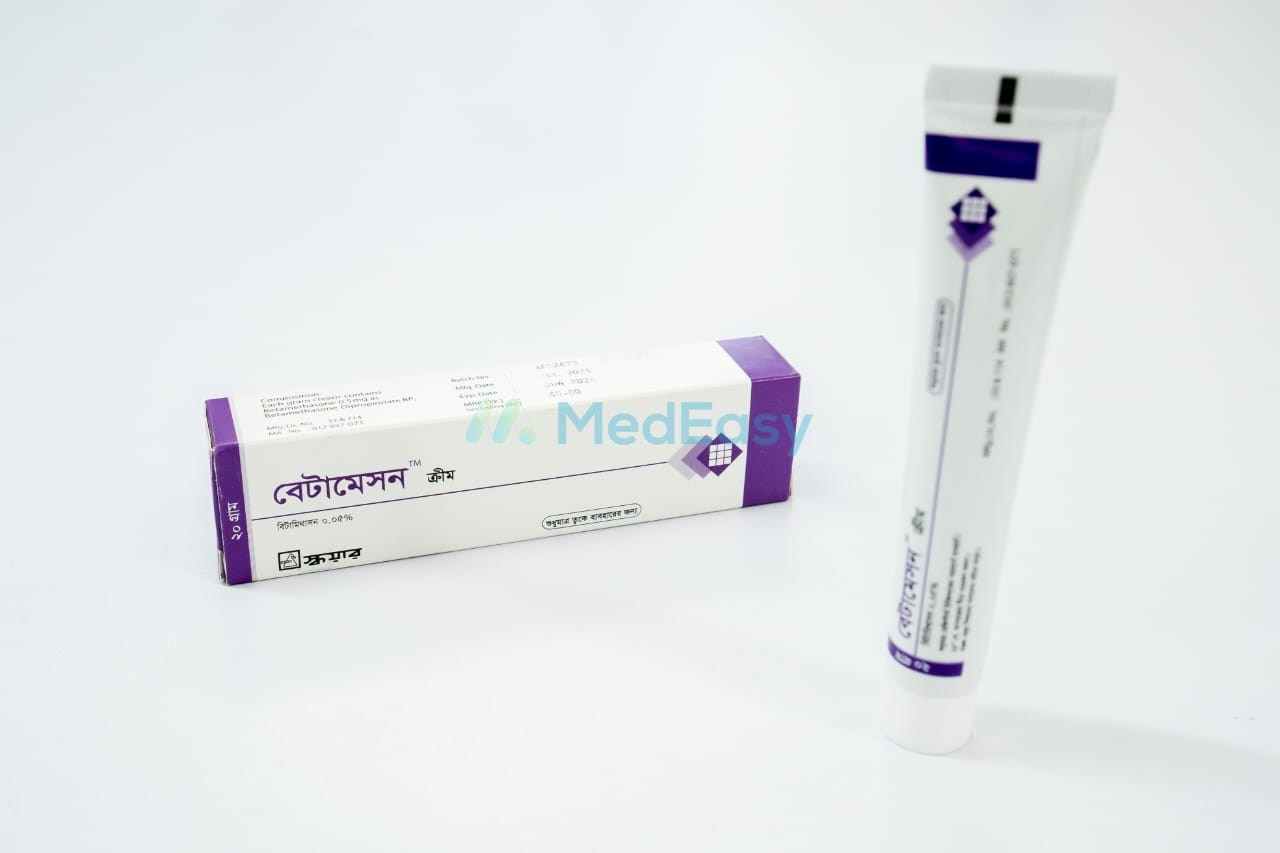
Betamethasone Dipropionate is a synthetic corticosteroid ester used topically for the relief of inflammatory and pruritic manifestations of corticosteroid-responsive dermatoses.

Forms:OintmentCream

About Betamethasone Dipropionate

Indications of Betamethasone Dipropionate

Betamethasone Dipropionate is a synthetic corticosteroid ester used topically for the relief of inflammatory and pruritic manifestations of corticosteroid-responsive dermatoses. It is an FDA-approved treatment established through dermatology guidelines and labeling.

Established / FDA-approved uses

  • Plaque psoriasis (moderate to severe, limited body surface area)
  • Atopic dermatitis and other forms of eczema
  • Contact dermatitis (allergic and irritant)
  • Seborrheic dermatitis
  • Lichen planus and other corticosteroid-responsive inflammatory dermatoses
  • Discoid lupus erythematosus (localized skin lesions)

Adjunct / combination uses

  • Used with keratolytics (e.g., salicylic acid) or coal tar in refractory psoriasis
  • Scalp solutions/lotions combined with regular emollient use for scalp psoriasis and seborrheic dermatitis

Off-label uses (not FDA-approved, used at physician discretion)

  • Vitiligo (short courses, under specialist supervision)
  • Alopecia areata (localized patches)
  • Keloid and hypertrophic scar treatment (as intralesional injection of a related depot formulation, not the standard topical form)

Betamethasone Dipropionate is not indicated for use on the face, groin, or axillae for prolonged periods, and is not recommended for acne, rosacea, or perioral dermatitis.

Dosage & Administration of Betamethasone Dipropionate

Adults

IndicationDosage
Plaque psoriasis, eczema, dermatitis (cream/ointment)Apply a thin film to the affected area once or twice daily; do not exceed 45 g/week (or 50 mL/week for lotion/solution) for standard formulations. Augmented formulations are typically limited to a maximum of 2 consecutive weeks and 50 g (or 50 mL) per week.
Scalp conditions (lotion/gel/solution)Apply a few drops to the affected scalp area once or twice daily and massage gently until absorbed.

Pediatric use

Use in children requires caution due to a higher skin-surface-area-to-body-weight ratio and greater risk of systemic absorption and HPA-axis suppression. Lowest effective potency and shortest duration should be used, and augmented formulations are generally avoided in young children; see Pediatric Uses.

General administration notes

  • For external (topical) use only; avoid contact with eyes, mouth, and mucous membranes.
  • Apply sparingly as a thin layer and rub in gently; do not use occlusive dressings unless specifically directed by a physician.
  • Wash hands after application unless the hands are the treated area.
  • Do not use longer than the physician-directed duration, and avoid abrupt discontinuation after prolonged use (see Precautions).

Side Effects of Betamethasone Dipropionate

Side effects of Betamethasone Dipropionate are generally local and related to potency, duration of use, and body surface area treated.

Common (local)

  • Burning, stinging, or itching at the application site
  • Dryness and irritation
  • Folliculitis

Less common but important (with prolonged/extensive use)

  • Skin atrophy, thinning, striae, and telangiectasia
  • Hypopigmentation or hyperpigmentation
  • Acneiform eruptions, perioral dermatitis
  • Secondary skin infection due to local immunosuppression
  • Allergic contact dermatitis to the corticosteroid or vehicle

Rare (systemic, with significant absorption)

  • Hypothalamic-pituitary-adrenal (HPA) axis suppression, Cushingoid features
  • Hyperglycemia and glucosuria
  • Growth retardation in children (with extensive/prolonged use)

Contraindications of Betamethasone Dipropionate

Betamethasone Dipropionate is contraindicated in:

  • Known hypersensitivity to betamethasone, other corticosteroids, or any component of the specific formulation.
  • Untreated bacterial, viral, or fungal skin infections at the site of application (e.g., active herpes simplex, varicella, tuberculosis of the skin, untreated dermatophyte or candidal infection).
  • Rosacea and perioral dermatitis.

Frequently Asked Questions about Betamethasone Dipropionate

What is Betamethasone Dipropionate used for?

Betamethasone Dipropionate is a topical corticosteroid used to relieve inflammation, redness, and itching in skin conditions such as psoriasis, eczema, dermatitis, and other corticosteroid-responsive skin disorders.

How should I apply Betamethasone Dipropionate?

Apply a thin film to the affected skin area once or twice daily as directed by your physician, gently rubbing it in. Avoid using more than the prescribed amount, avoid bandaging the area unless instructed, and avoid contact with the eyes and mucous membranes.

Can I use Betamethasone Dipropionate on my face or in skin folds?

Betamethasone Dipropionate, especially high-potency (augmented) formulations, is generally not recommended for prolonged use on the face, groin, armpits, or other skin folds because these areas absorb more medication and are more prone to skin thinning; use in these areas only under specific medical guidance.

Is Betamethasone Dipropionate safe during pregnancy or breastfeeding?

Betamethasone Dipropionate should be used during pregnancy only if clearly needed and the benefit outweighs potential risk to the fetus, since topical corticosteroids can be absorbed into the bloodstream, especially with large-area or prolonged use. Caution is also advised during breastfeeding, and application to the breast/nipple area should be avoided; always consult a physician before use.

Can I stop using Betamethasone Dipropionate suddenly?

After prolonged use, Betamethasone Dipropionate should not be stopped abruptly, as this may cause the underlying skin condition to flare up or, rarely, cause withdrawal symptoms. Discontinuation should be guided by your physician, who may recommend gradually reducing use.

What side effects should I watch for with Betamethasone Dipropionate?

Common side effects include burning, stinging, dryness, or itching at the application site. With prolonged or extensive use, more serious effects can occur, including skin thinning, stretch marks, visible blood vessels, and, rarely, adrenal suppression from systemic absorption. Contact your physician if you notice worsening skin changes or symptoms of infection.

Disclaimer

The information provided is accurate to the best of our knowledge, but it does not replace professional medical advice. We cannot guarantee its completeness or accuracy, and the absence of specific information about a drug should not be taken as an endorsement. We are not responsible for any consequences arising from this information, so please consult a healthcare professional for any concerns or questions.
DoctorBlogArticles