Generic medicine

Betamethasone + Phenylephrine + Lignocaine: Brands, Price & Uses in Bangladesh

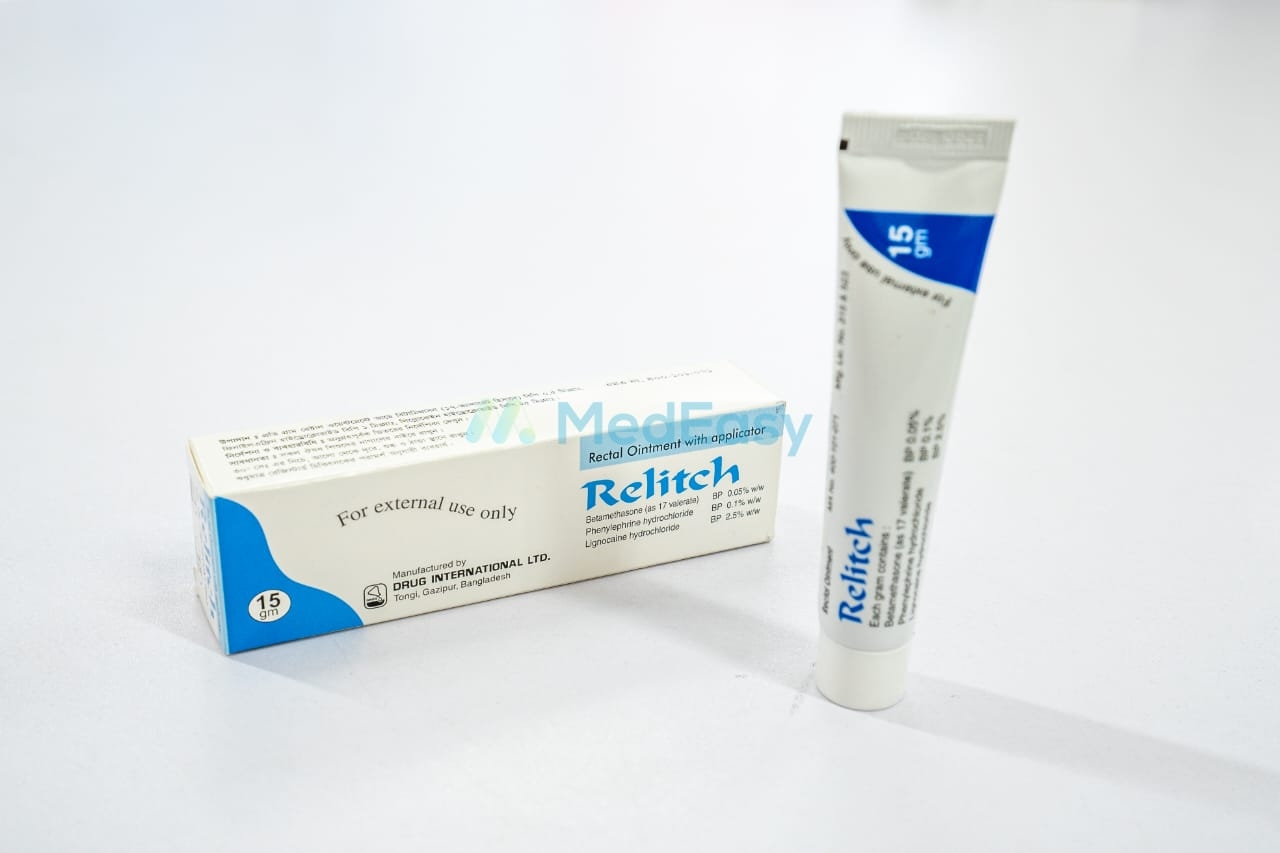
Betamethasone + Phenylephrine + Lignocaine is a fixed-dose topical combination of a corticosteroid, an alpha-adrenergic vasoconstrictor, and a local anesthetic and more.

Forms:Rectal Ointment

About Betamethasone + Phenylephrine + Lignocaine

Indications of Betamethasone + Phenylephrine + Lignocaine

Betamethasone + Phenylephrine + Lignocaine is a fixed-dose topical combination of a corticosteroid, an alpha-adrenergic vasoconstrictor, and a local anesthetic, formulated as an anorectal (perianal/rectal) ointment or cream.

Established / Guideline-Supported Uses

  • Symptomatic relief of pain, itching, burning, and swelling associated with internal and external hemorrhoids (piles).
  • Symptomatic relief of anal fissures and pruritus ani (anal itching) of inflammatory origin.
  • Short-term relief of local inflammation and congestion in proctitis and other benign anorectal conditions, as labeled by the marketing authorization holder.

Adjunct Use

  • Short-term adjunct symptom control before or after minor anorectal procedures (e.g., sclerotherapy, banding, or hemorrhoidectomy), used only under medical supervision.

Betamethasone + Phenylephrine + Lignocaine provides symptomatic relief only; it does not cure the underlying cause of hemorrhoids or anorectal disease, and it is not intended for long-term or unsupervised use.

Dosage & Administration of Betamethasone + Phenylephrine + Lignocaine

Dosing of Betamethasone + Phenylephrine + Lignocaine is for external/topical (perianal) and intrarectal (with applicator, where provided) use only, in adults, for short-term symptomatic treatment.

IndicationTypical FrequencyTypical Duration
External hemorrhoids / anal fissure / pruritus aniApply a thin layer 2–3 times daily and after each bowel movementUsually up to 7 days; reassess if no improvement
Internal hemorrhoids (with rectal applicator, if provided)Once or twice daily, as directedUsually up to 7 days; reassess if no improvement

Take Betamethasone + Phenylephrine + Lignocaine exactly as prescribed by a physician; do not stop, extend, apply more often, or share this medicine with others without medical advice. Do not use continuously for prolonged periods without medical reassessment (see Precautions and Warnings).

Side Effects of Betamethasone + Phenylephrine + Lignocaine

Adverse effects of Betamethasone + Phenylephrine + Lignocaine are generally local and mild when used as directed for short courses.

  • Local burning, stinging, or tingling sensation on application
  • Itching or contact dermatitis at the application site
  • Skin thinning (atrophy), striae, or telangiectasia with prolonged or excessive use of the corticosteroid component
  • Rebound congestion or irritation if the phenylephrine-containing product is used for longer than recommended
  • Rarely, systemic effects (e.g., adrenal suppression from the corticosteroid, or palpitations/elevated blood pressure from the phenylephrine component) if used excessively, on broken skin, or under occlusion
  • Rare hypersensitivity reactions to the lignocaine component

Discontinue Betamethasone + Phenylephrine + Lignocaine and consult a physician if irritation worsens or signs of infection or systemic effects appear.

Contraindications of Betamethasone + Phenylephrine + Lignocaine

Betamethasone + Phenylephrine + Lignocaine is contraindicated in:

  • Known hypersensitivity to betamethasone, phenylephrine, lignocaine (or other amide-type local anesthetics), or any excipient of the formulation.
  • Untreated local infection of the anorectal area of viral (e.g., herpes, varicella), fungal, or tuberculous origin, where the corticosteroid component could mask or worsen the infection.
  • Narrow-angle glaucoma or severe uncontrolled cardiovascular disease in which sympathomimetic agents are specifically contraindicated, if there is a risk of significant systemic absorption of the phenylephrine component.

Frequently Asked Questions about Betamethasone + Phenylephrine + Lignocaine

What is Betamethasone + Phenylephrine + Lignocaine used for?

Betamethasone + Phenylephrine + Lignocaine is a combination anorectal ointment/cream used for short-term symptomatic relief of pain, itching, swelling, and inflammation caused by internal and external hemorrhoids, anal fissures, and pruritus ani.

How should I apply Betamethasone + Phenylephrine + Lignocaine?

Clean and dry the affected area, then apply a thin layer of Betamethasone + Phenylephrine + Lignocaine externally 2–3 times daily and after bowel movements, or intrarectally with the applicator provided (if any), as directed by your physician. Wash your hands before and after use.

How long can I use Betamethasone + Phenylephrine + Lignocaine?

Betamethasone + Phenylephrine + Lignocaine is intended for short-term use, usually no more than about 7 days. If your symptoms do not improve or get worse, stop use and see a physician, since prolonged use of the corticosteroid component can cause local skin thinning and other side effects.

Can Betamethasone + Phenylephrine + Lignocaine be used during pregnancy or breastfeeding?

Betamethasone + Phenylephrine + Lignocaine should be used in pregnancy or while breastfeeding only if clearly needed and after consulting a physician, as there is limited data on its effects when used extensively or for a long time in these situations.

What are the side effects of Betamethasone + Phenylephrine + Lignocaine?

Common side effects of Betamethasone + Phenylephrine + Lignocaine include local burning, stinging, or itching at the application site. Prolonged or excessive use can cause skin thinning, rebound congestion, or, rarely, systemic effects such as raised blood pressure or adrenal suppression.

Who should not use Betamethasone + Phenylephrine + Lignocaine?

Betamethasone + Phenylephrine + Lignocaine should not be used by anyone with a known allergy to betamethasone, phenylephrine, lignocaine, or similar local anesthetics, or by anyone with an untreated viral, fungal, or tuberculous infection in the anorectal area (see Contraindications).

Disclaimer

The information provided is accurate to the best of our knowledge, but it does not replace professional medical advice. We cannot guarantee its completeness or accuracy, and the absence of specific information about a drug should not be taken as an endorsement. We are not responsible for any consequences arising from this information, so please consult a healthcare professional for any concerns or questions.

DoctorBlogArticles