Generic medicine

Betamethasone + Salicylic Acid: Brands, Price & Uses in Bangladesh

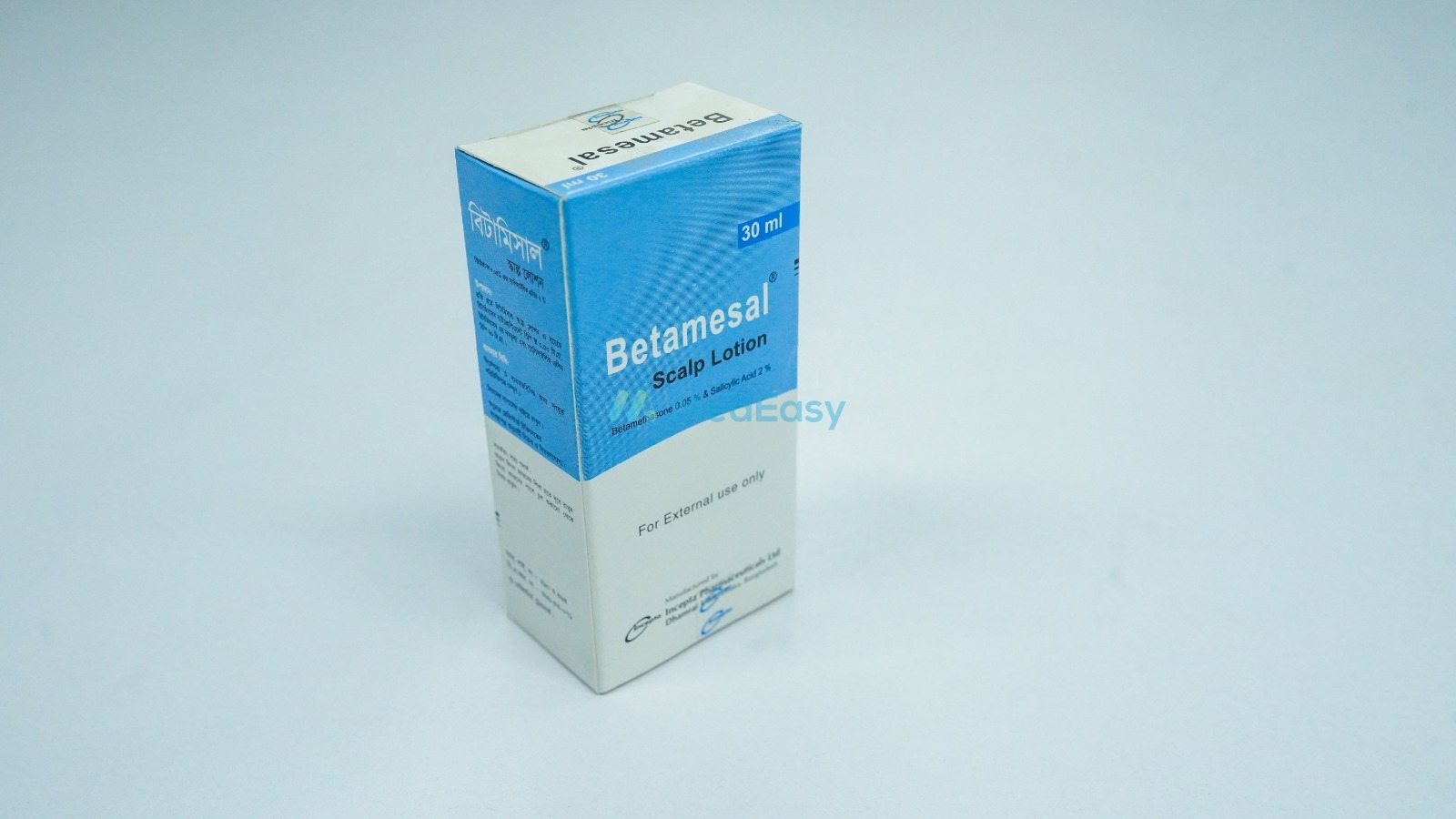
Betamethasone + Salicylic Acid is a topical combination of a potent corticosteroid (betamethasone) and a keratolytic agent (salicylic acid), used for chronic, dry, thickened and more.

Forms:Scalp LotionScalp Ointment

About Betamethasone + Salicylic Acid

Indications of Betamethasone + Salicylic Acid

Betamethasone + Salicylic Acid is a topical combination of a potent corticosteroid (betamethasone) and a keratolytic agent (salicylic acid), used for chronic, dry, thickened, and scaly skin disorders that respond to both anti-inflammatory and scale-removing action.

Established/guideline-supported uses

  • Chronic plaque psoriasis, including scalp psoriasis, with hyperkeratotic (thickened, scaly) plaques
  • Chronic eczema/dermatitis with significant scaling or lichenification
  • Lichen planus and other corticosteroid-responsive dermatoses with hyperkeratosis
  • Other chronic hyperkeratotic, inflammatory dermatoses where scale removal is needed to allow the steroid to penetrate effectively

The salicylic acid component softens and removes thickened, scaly skin (keratolysis), which also enhances penetration of betamethasone into the affected skin. Betamethasone + Salicylic Acid is intended for short-term, corticosteroid-responsive conditions and is not indicated for routine long-term or maintenance therapy.

Dosage & Administration of Betamethasone + Salicylic Acid

Adults

FormulationTypical RegimenMaximum Use
Scalp ointmentApply a thin layer to affected scalp areas twice dailyUsually limited to about 2 weeks continuous use; not more than ~60 g per week
Scalp lotionApply a few drops to the affected area and massage gently, twice daily (morning and night)Short courses; reassess if no improvement in 2–4 weeks
Body/skin ointment or creamApply a thin film to affected plaques once or twice dailyShortest duration that controls symptoms

Children

Use for the shortest effective duration, generally no more than about 5 days, and only under medical supervision, on the smallest area necessary (see Use in Special Populations).

Application notes

  • Apply Betamethasone + Salicylic Acid to clean, dry skin; wash hands after application unless the hands are the treated area.
  • Do not use with occlusive dressings unless specifically directed by a physician, as this increases systemic absorption.
  • Avoid contact with eyes, mouth, and mucous membranes.
  • Do not apply to the face, groin, or axillae (armpits) for prolonged periods due to higher absorption risk in these areas.

Side Effects of Betamethasone + Salicylic Acid

Most side effects of Betamethasone + Salicylic Acid are local and related to the application site:

  • Burning, stinging, itching, or irritation at the application site
  • Dryness or peeling of the skin
  • Skin atrophy (thinning), striae (stretch marks), and telangiectasia with prolonged use
  • Hypopigmentation of the treated skin
  • Folliculitis, acneiform eruptions, hypertrichosis, or perioral dermatitis
  • Allergic contact dermatitis

With prolonged use, use over large areas, or use under occlusion, systemic effects can occur (see Precautions and Warnings), including HPA-axis suppression and salicylate toxicity.

Contraindications of Betamethasone + Salicylic Acid

Betamethasone + Salicylic Acid is contraindicated in:

  • Known hypersensitivity to betamethasone, salicylic acid, or any excipient in the formulation.
  • Untreated bacterial, viral (including herpes simplex, varicella), fungal, or tuberculous infections of the skin at the site of application.
  • Prolonged use on the face, groin, or axillae (due to markedly increased risk of skin atrophy and systemic absorption in these areas).

Frequently Asked Questions about Betamethasone + Salicylic Acid

What is Betamethasone + Salicylic Acid used for?

Betamethasone + Salicylic Acid is a topical treatment used for chronic, dry, and scaly skin conditions such as psoriasis (including scalp psoriasis), chronic eczema, and lichen planus. The corticosteroid component reduces inflammation and itching, while the salicylic acid softens and removes thickened scale.

How should I apply Betamethasone + Salicylic Acid?

Apply a thin layer or a few drops of Betamethasone + Salicylic Acid to the affected skin or scalp area, usually once or twice daily, and gently massage it in. Use only on the affected area, avoid the eyes and mucous membranes, and do not cover the area with airtight (occlusive) dressings unless your doctor tells you to.

Can I use Betamethasone + Salicylic Acid on my face?

No. Betamethasone + Salicylic Acid should not be used on the face, groin, or armpits for prolonged periods, because these areas absorb the medicine more readily and are at higher risk of skin thinning and other side effects. Discuss alternative treatment for these areas with your physician.

Is Betamethasone + Salicylic Acid safe during pregnancy or breastfeeding?

Betamethasone + Salicylic Acid has not been thoroughly studied in pregnant or breastfeeding women. Because both components can be absorbed into the bloodstream with extensive use, it should be used during pregnancy or breastfeeding only if clearly needed and if your physician determines the benefit outweighs the potential risk. Always consult your doctor before use in these situations.

What are the common side effects of Betamethasone + Salicylic Acid?

Common side effects of Betamethasone + Salicylic Acid include burning, stinging, itching, dryness, and irritation at the application site. With prolonged use, thinning of the skin, stretch marks, lightening of skin color, and, rarely, systemic effects such as adrenal suppression or salicylate toxicity can occur, especially if used on large areas or under occlusive dressings.

How long can I use Betamethasone + Salicylic Acid?

Betamethasone + Salicylic Acid should be used for the shortest time needed to control your condition — typically up to about 2 weeks in adults (and no more than about 5 days in children) — and long-term continuous use should be avoided. Follow up with your physician if your condition does not improve or if you feel you need to use it longer.

Disclaimer

The information provided is accurate to the best of our knowledge, but it does not replace professional medical advice. We cannot guarantee its completeness or accuracy, and the absence of specific information about a drug should not be taken as an endorsement. We are not responsible for any consequences arising from this information, so please consult a healthcare professional for any concerns or questions.

DoctorBlogArticles
