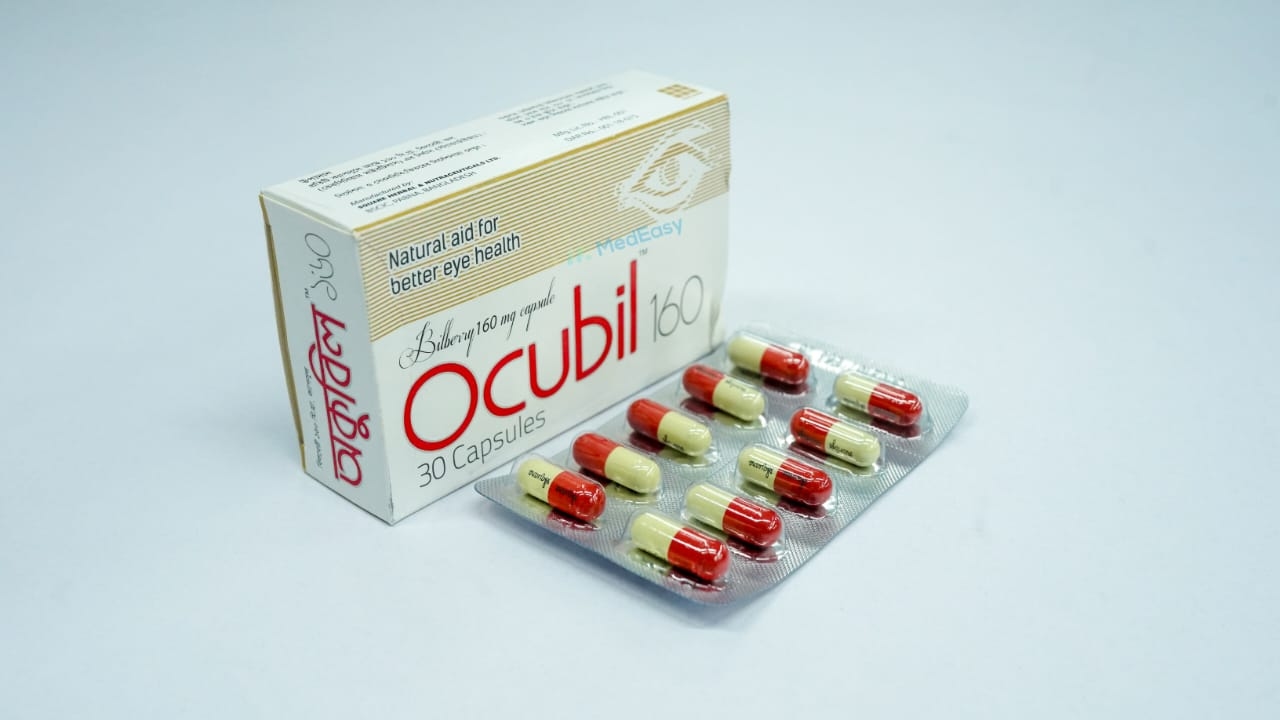
Generic medicine

Bilberry fruit [Vaccinium myrtillus L]: Brands, Price & Uses in Bangladesh

Bilberry fruit [Vaccinium myrtillus L] is a herbal (dietary supplement) product, not an FDA-approved conventional drug.

Forms:Capsule

About Bilberry fruit [Vaccinium myrtillus L]

Indications of Bilberry fruit [Vaccinium myrtillus L]

Bilberry fruit [Vaccinium myrtillus L] is a herbal (dietary supplement) product, not an FDA-approved conventional drug. Its traditional and commonly marketed uses, graded by strength of evidence, are as follows:

  • Traditional/folk use (limited robust clinical evidence): support of general eye health, including night vision and eye fatigue/strain, based on the anthocyanoside content of the fruit.
  • Traditional/folk use (limited robust clinical evidence): general antioxidant support.
  • Adjunct/supportive use (modest supporting evidence from small trials): support of vascular/circulatory health, including symptoms of chronic venous insufficiency (leg heaviness, swelling) and capillary fragility, usually alongside standard medical care rather than as a replacement for it.

Overall clinical trial evidence for most of these claims is limited, of variable quality, and not sufficient to establish Bilberry fruit [Vaccinium myrtillus L] as a proven treatment for any diagnosed eye disease (e.g., cataract, macular degeneration, diabetic retinopathy, glaucoma) or vascular disorder. It should not be used as a substitute for conventional medical evaluation or treatment of such conditions.

Dosage & Administration of Bilberry fruit [Vaccinium myrtillus L]

General Dosing Information

There is no single internationally standardized dose for Bilberry fruit [Vaccinium myrtillus L]; dosing varies by product strength and standardization. The following reflects commonly used ranges for standardized extract (approximately 25% anthocyanosides), for general reference only:

UseTypical Adult DoseNotes
General eye/antioxidant support80-120 mg of standardized extract, 1-3 times dailyWith food, per product labeling
Vascular/circulatory supportUp to 240-480 mg standardized extract per day, in divided dosesPer product labeling; not a substitute for prescribed treatment of venous disease
Pediatric useNot establishedSee Use in Special Populations

Always follow the specific product label or a physician's/qualified healthcare provider's advice, as concentration and standardization differ between brands.

Side Effects of Bilberry fruit [Vaccinium myrtillus L]

Bilberry fruit [Vaccinium myrtillus L] is generally well tolerated when used as directed. Reported side effects are usually mild and may include:

  • Mild gastrointestinal upset (stomach discomfort, nausea)
  • Headache
  • Dizziness

Allergic reactions are uncommon but possible (see Contraindications). Patients on anticoagulant/antiplatelet therapy or with diabetes should be alert to increased bleeding tendency or low blood sugar, respectively (see Interactions and Precautions).

Contraindications of Bilberry fruit [Vaccinium myrtillus L]

Bilberry fruit [Vaccinium myrtillus L] is contraindicated in patients with known hypersensitivity to bilberry, other Vaccinium species, or any component of the formulation.

Frequently Asked Questions about Bilberry fruit [Vaccinium myrtillus L]

What is Bilberry fruit [Vaccinium myrtillus L] used for?

Bilberry fruit [Vaccinium myrtillus L] is a herbal supplement traditionally used to support general eye health (including night vision) and vascular/circulatory health, and as a source of antioxidants. Clinical evidence for these uses is limited, and it is not a proven treatment for diagnosed eye or vascular disease.

Can I take Bilberry fruit [Vaccinium myrtillus L] with blood thinners?

Bilberry fruit [Vaccinium myrtillus L] has mild antiplatelet activity and may increase bleeding risk when taken with anticoagulant or antiplatelet drugs such as warfarin, aspirin, or clopidogrel. Only use it together with these medicines under medical supervision, with monitoring for unusual bruising or bleeding.

Is Bilberry fruit [Vaccinium myrtillus L] safe for people with diabetes?

Bilberry fruit [Vaccinium myrtillus L] may mildly lower blood glucose. People with diabetes, especially those on antidiabetic medicines or insulin, should monitor their blood sugar and consult a physician, since combined use could increase the risk of hypoglycemia.

Can I take Bilberry fruit [Vaccinium myrtillus L] during pregnancy or breastfeeding?

Safety data are insufficient. Bilberry fruit [Vaccinium myrtillus L] should be used during pregnancy or breastfeeding only if clearly needed and after consulting a physician, who can weigh potential benefit against potential unknown risk.

Should I stop Bilberry fruit [Vaccinium myrtillus L] before surgery?

Because of its reported mild antiplatelet activity, it is generally advised to stop Bilberry fruit [Vaccinium myrtillus L] about two weeks before elective surgery and to inform your surgical team that you have been taking it.

What should I do if I take too much Bilberry fruit [Vaccinium myrtillus L]?

If an overdose is suspected, or if severe or unusual symptoms (such as significant bleeding, severe dizziness, or very low blood sugar symptoms) occur, seek immediate medical attention or contact a poison control center rather than treating it at home.

Disclaimer

The information provided is accurate to the best of our knowledge, but it does not replace professional medical advice. We cannot guarantee its completeness or accuracy, and the absence of specific information about a drug should not be taken as an endorsement. We are not responsible for any consequences arising from this information, so please consult a healthcare professional for any concerns or questions.
DoctorBlogArticles