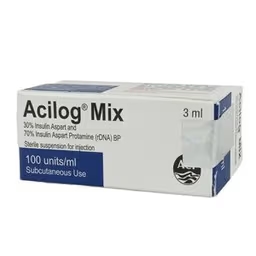
Generic medicine

Biphasic Insulin Aspart [rDNA]: Brands, Price & Uses in Bangladesh

Biphasic Insulin Aspart [rDNA] is a premixed suspension combining rapid-acting insulin aspart with intermediate-acting protamine-crystallised insulin aspart.

Forms:PenfillVialFlexpenBio Pen

About Biphasic Insulin Aspart [rDNA]

Indications of Biphasic Insulin Aspart [rDNA]

Biphasic Insulin Aspart [rDNA] is a premixed suspension combining rapid-acting insulin aspart with intermediate-acting protamine-crystallised insulin aspart. It is indicated for the treatment of diabetes mellitus in patients who require insulin to control hyperglycaemia.

Established/Approved Uses

  • To improve glycaemic control in adults and children with type 1 diabetes mellitus (as part of a basal-bolus or premixed insulin regimen, typically together with a longer-acting basal insulin where required).
  • To improve glycaemic control in adults with type 2 diabetes mellitus, either alone or in combination with oral antidiabetic agents when oral therapy alone no longer provides adequate control.

Guideline-Supported / Practical Use

  • As a twice-daily (or occasionally once- or thrice-daily) premixed regimen for patients who prefer a simpler injection schedule than a full basal-bolus regimen, particularly in resource-limited settings.

Biphasic Insulin Aspart [rDNA] is not a substitute for regular insulin during diabetic ketoacidosis or for intravenous use; it is intended for subcutaneous injection only.

Dosage & Administration of Biphasic Insulin Aspart [rDNA]

General Principles

The dose of Biphasic Insulin Aspart [rDNA] is individualised based on blood glucose monitoring, meal pattern, physical activity, and the patient's overall glycaemic goals. It is usually given once, twice, or occasionally three times daily, immediately before or shortly after a meal.

IndicationTypical Adult Dosing
Type 2 diabetes mellitus (insulin-naive or switching from another regimen)Usually started at 6 units twice daily (before breakfast and dinner) or per physician's individualised titration; adjusted every few days based on blood glucose readings.
Type 1 diabetes mellitusTotal daily insulin requirement is individualised (commonly a fraction of total body-weight-based dose), split into premixed doses before meals as directed by the treating physician; often combined with additional basal insulin.

Pediatric Dose

May be used in children with type 1 diabetes mellitus under close specialist supervision; the dose is individualised and titrated by a pediatric endocrinologist based on body weight, growth, diet, and activity level. Safety and efficacy in children below 2 years of age have not been established.

Renal/Hepatic Impairment

Insulin requirements may be reduced in patients with renal or hepatic impairment due to altered insulin clearance and metabolism; more frequent blood glucose monitoring and dose adjustment are recommended.

Administration Technique

  • For subcutaneous injection only (thigh, abdominal wall, buttock, or upper arm) - never intravenous or intramuscular.
  • Must be thoroughly resuspended (rolled/tipped gently, not shaken vigorously) immediately before each injection until uniformly white and cloudy.
  • Injection sites should be rotated within the same body region to reduce the risk of lipodystrophy (see Precautions).
  • Do not mix with other insulin products in the same syringe or pen.

Side Effects of Biphasic Insulin Aspart [rDNA]

The most common and clinically important adverse effect of Biphasic Insulin Aspart [rDNA] is hypoglycaemia, which can occur with any insulin therapy and may be severe if not promptly treated.

Very Common

  • Hypoglycaemia (symptoms include sweating, palpitations, tremor, hunger, confusion, and in severe cases, seizure or loss of consciousness).

Common

  • Injection-site reactions (redness, swelling, itching) - usually mild and transient.
  • Lipodystrophy (lipohypertrophy or lipoatrophy) at repeated injection sites.
  • Peripheral oedema, particularly when starting insulin therapy or intensifying glucose control.
  • Weight gain.

Uncommon/Rare

  • Generalised hypersensitivity/allergic reactions, including urticaria and, rarely, anaphylaxis.
  • Refraction disorders (temporary blurred vision) at the start of insulin therapy due to rapid changes in blood glucose.

Contraindications of Biphasic Insulin Aspart [rDNA]

Biphasic Insulin Aspart [rDNA] is contraindicated in:

  • Patients experiencing an episode of hypoglycaemia (active low blood glucose).
  • Patients with known hypersensitivity to insulin aspart or to any excipient of Biphasic Insulin Aspart [rDNA].

Frequently Asked Questions about Biphasic Insulin Aspart [rDNA]

What is Biphasic Insulin Aspart [rDNA] used for?

Biphasic Insulin Aspart [rDNA] is used to control high blood sugar (hyperglycaemia) in people with type 1 or type 2 diabetes mellitus. It is a premixed insulin that provides both fast-acting and longer-acting glucose control from a single injection.

How and when should I inject Biphasic Insulin Aspart [rDNA]?

Biphasic Insulin Aspart [rDNA] is injected under the skin (subcutaneously), usually 10-20 minutes before a meal, into the abdomen, thigh, upper arm, or buttock. The dose and timing should follow your physician's instructions exactly, and the suspension must be gently resuspended until uniformly cloudy before each injection.

What is the most common side effect of Biphasic Insulin Aspart [rDNA]?

The most common side effect of Biphasic Insulin Aspart [rDNA] is hypoglycaemia (low blood sugar), which can cause sweating, shakiness, hunger, confusion, and, if severe, seizures or loss of consciousness. Always carry a fast-acting source of sugar and know the warning signs.

Can Biphasic Insulin Aspart [rDNA] be used during pregnancy or breastfeeding?

Biphasic Insulin Aspart [rDNA] may be used during pregnancy and breastfeeding, but only under close medical supervision, as insulin needs change during pregnancy and after delivery. Use only if clearly needed and if the potential benefit justifies the potential risk; always consult your physician.

Can I mix Biphasic Insulin Aspart [rDNA] with other insulin products?

No. Biphasic Insulin Aspart [rDNA] should not be mixed with other insulin products in the same syringe or pen, and you should not switch between different insulin brands, types, or concentrations without your doctor's guidance, as this can cause dangerous dosing errors.

How should Biphasic Insulin Aspart [rDNA] be stored?

Unopened Biphasic Insulin Aspart [rDNA] should be stored in a refrigerator (2-8°C) and never frozen. Once in use, it can generally be kept at room temperature below 30°C, away from heat and light, for the period specified on the product leaflet. Always keep it out of reach of children.

Disclaimer

The information provided is accurate to the best of our knowledge, but it does not replace professional medical advice. We cannot guarantee its completeness or accuracy, and the absence of specific information about a drug should not be taken as an endorsement. We are not responsible for any consequences arising from this information, so please consult a healthcare professional for any concerns or questions.

DoctorBlogArticles