Generic medicine

Brimonidine Tartrate: Brands, Price & Uses in Bangladesh

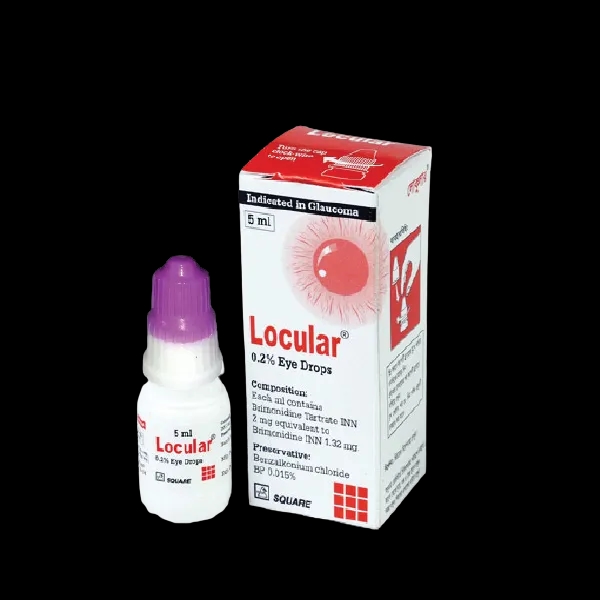
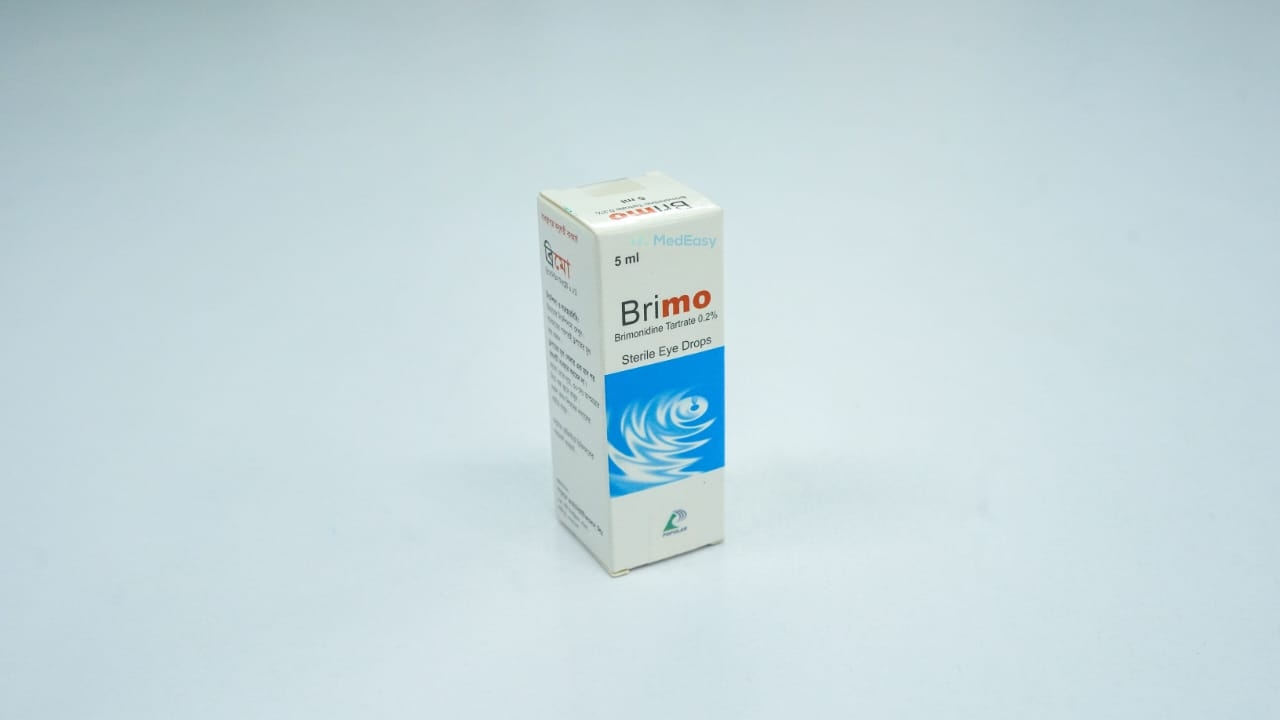
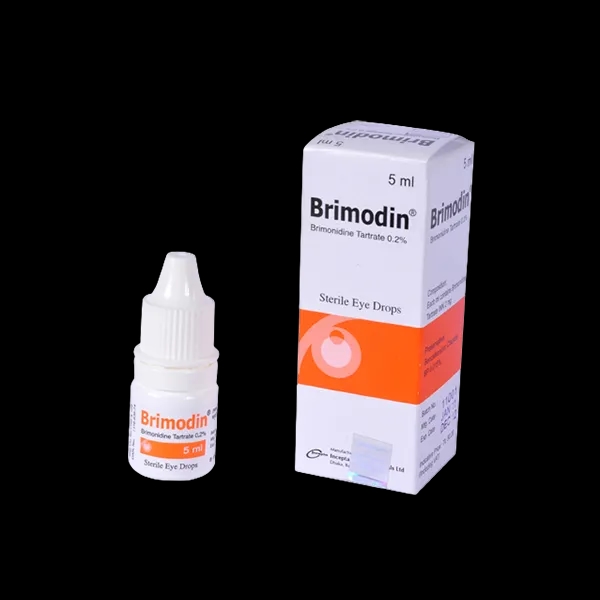
Brimonidine Tartrate is a selective alpha-2 adrenergic agonist used in two distinct formulations for different and more.

Forms:Ophthalmic Solution

About Brimonidine Tartrate

Indications of Brimonidine Tartrate

Brimonidine Tartrate is a selective alpha-2 adrenergic agonist used in two distinct formulations for different, FDA-approved indications:

Established/FDA-approved uses

  • Ophthalmic solution (0.15%/0.2%): Lowering of elevated intraocular pressure (IOP) in patients with open-angle glaucoma or ocular hypertension.
  • Topical gel (0.33%): Treatment of persistent (non-transient) facial erythema associated with rosacea in adults.

Adjunct use

Brimonidine Tartrate ophthalmic solution is commonly used as an adjunct to other IOP-lowering agents (e.g. beta-blockers, prostaglandin analogues) when a single agent does not achieve adequate pressure control, and is available in fixed-dose combination products with timolol or brimonidine/brinzolamide for this purpose.

Off-label use

Brimonidine Tartrate ophthalmic solution is sometimes used off-label short-term to reduce conjunctival hyperemia (redness) prior to certain ophthalmic procedures, but this is not an FDA-labeled indication.

Dosage & Administration of Brimonidine Tartrate

Ophthalmic solution (glaucoma/ocular hypertension)

PopulationDose
AdultsOne drop of Brimonidine Tartrate ophthalmic solution in the affected eye(s) three times daily, approximately every 8 hours.
Children ≥2 yearsSame dosing as adults, with caution (see Use in Special Populations); not recommended under 2 years.

Topical gel (rosacea erythema)

Apply a pea-sized amount of Brimonidine Tartrate gel once daily in a thin layer to cover the entire face (forehead, chin, nose, each cheek), avoiding eyes, lips, and mucous membranes. Wash hands immediately after application.

Missed dose

Apply or instill the missed dose as soon as remembered; if near the next scheduled dose, skip the missed dose and resume the regular schedule. Do not double the dose.

Side Effects of Brimonidine Tartrate

Ophthalmic solution

Common: ocular hyperemia (redness), burning or stinging on instillation, blurred vision, foreign body sensation, itching, dry mouth, headache, drowsiness, and allergic conjunctivitis. Less common: eye allergy, eyelid swelling, and (rarely) systemic effects such as fatigue or dizziness.

Topical gel

Common: erythema, flushing, skin irritation, burning or stinging sensation, contact dermatitis, and pruritus at the application site.

Most reactions to Brimonidine Tartrate are mild to moderate and localized; patients should report severe or persistent reactions to their physician.

Contraindications of Brimonidine Tartrate

Brimonidine Tartrate is contraindicated in:

  • Patients with known hypersensitivity to brimonidine or any component of the formulation.
  • Neonates and infants (children under 2 years of age), due to reports of serious CNS depression (apnea, bradycardia, hypotension, hypothermia, syncope, and lethargy) with Brimonidine Tartrate in this age group.
  • Patients currently receiving monoamine oxidase inhibitor (MAOI) therapy.

Frequently Asked Questions about Brimonidine Tartrate

What is Brimonidine Tartrate used for?

Brimonidine Tartrate ophthalmic solution is used to lower elevated eye pressure in open-angle glaucoma or ocular hypertension, while the topical gel formulation of Brimonidine Tartrate is used to reduce persistent facial redness caused by rosacea.

How often should I use Brimonidine Tartrate eye drops?

The typical dose of Brimonidine Tartrate ophthalmic solution is one drop in the affected eye(s) three times a day, about every 8 hours, unless your physician has instructed otherwise.

Can children use Brimonidine Tartrate?

Brimonidine Tartrate is contraindicated in children under 2 years old because it can cause serious central nervous system depression such as slowed breathing, low blood pressure, low body temperature, and excessive sleepiness in young children. Use in older children requires physician supervision.

Is Brimonidine Tartrate safe during pregnancy?

Brimonidine Tartrate has not been well studied in pregnant women. It should only be used during pregnancy if your physician determines that the potential benefit justifies the potential risk to the baby; always consult your physician before use.

What should I do if I accidentally swallow Brimonidine Tartrate?

Accidental ingestion of Brimonidine Tartrate, especially by a child, can be serious and cause severe drowsiness, slowed breathing, or low blood pressure. Seek immediate medical attention or contact emergency services/poison control right away rather than treating it at home.

Can I use Brimonidine Tartrate with other eye drops or medicines?

Brimonidine Tartrate should not be used with monoamine oxidase inhibitors (MAOIs). It can also add to the sedating effects of alcohol and other CNS depressants and may enhance blood-pressure-lowering medicines. Tell your physician about all medicines you take before starting Brimonidine Tartrate.

Disclaimer

The information provided is accurate to the best of our knowledge, but it does not replace professional medical advice. We cannot guarantee its completeness or accuracy, and the absence of specific information about a drug should not be taken as an endorsement. We are not responsible for any consequences arising from this information, so please consult a healthcare professional for any concerns or questions.

DoctorBlogArticles