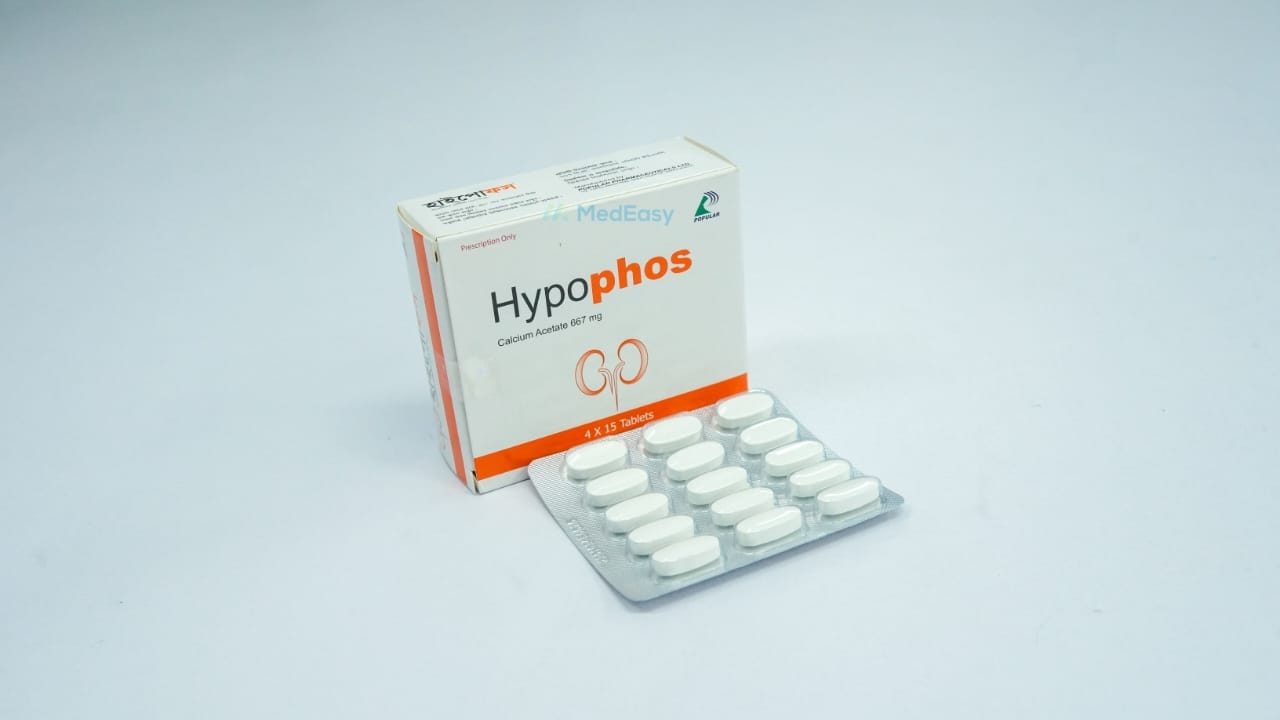
Generic medicine

Calcium Acetate: Brands, Price & Uses in Bangladesh

Calcium Acetate is a calcium-based phosphate binder with the following evidence-based uses: Established / FDA-approved use Control of hyperphosphatemia (high blood phosphate) in patients with…

Forms:Tablet

About Calcium Acetate

Indications of Calcium Acetate

Calcium Acetate is a calcium-based phosphate binder with the following evidence-based uses:

Established / FDA-approved use

  • Control of hyperphosphatemia (high blood phosphate) in patients with end-stage renal disease (ESRD), particularly those on maintenance dialysis (hemodialysis or peritoneal dialysis).

Guideline-supported use

  • Management of hyperphosphatemia in earlier stages of chronic kidney disease (CKD stage 3-5, not yet on dialysis), per nephrology and KDIGO guideline recommendations, as part of an overall CKD-mineral and bone disorder management plan.

Calcium Acetate is not intended for use as a general calcium or dietary supplement in patients with normal kidney function; its licensed indication is specific to phosphate control in renal impairment.

Dosage & Administration of Calcium Acetate

Adult Dose (Hyperphosphatemia in ESRD/Dialysis)

PhaseTypical Dose
Starting doseTwo tablets (approx. 1334 mg) with each meal
Maintenance doseThree to four tablets (approx. 2001-2668 mg) with each meal, titrated to control serum phosphorus

The dose of Calcium Acetate is individualized and titrated upward gradually (e.g., every 2-3 weeks) based on serum phosphate response, aiming to keep serum phosphorus in the target range, while monitoring serum calcium to avoid hypercalcemia. Most patients require 3-4 tablets with each meal for adequate phosphate control.

Administration Instructions

  • Calcium Acetate must be taken with meals or immediately after eating, since its phosphate-binding effect depends on being present in the gut together with dietary phosphate; taken on an empty stomach it will not effectively lower phosphate.
  • Swallow tablets whole with a full glass of water unless the product is intended to be chewed; follow the specific product label.
  • Do not skip doses at mealtimes, and do not take extra doses without medical advice.

Side Effects of Calcium Acetate

The most common side effects of Calcium Acetate are gastrointestinal and generally mild:

  • Nausea
  • Diarrhea or constipation
  • Mild GI upset/dyspepsia

Hypercalcemia is the principal clinically significant risk associated with Calcium Acetate, especially with excessive dosing or concurrent vitamin D therapy (see Precautions and Warnings). Symptoms of hypercalcemia can include nausea, vomiting, constipation, increased thirst or urination, muscle weakness, bone pain, confusion, and fatigue; these warrant prompt medical evaluation. Less commonly, edema and pruritus have been reported.

Contraindications of Calcium Acetate

Calcium Acetate is contraindicated in patients with:

  • Known hypersensitivity to Calcium Acetate or any component of the formulation.
  • Hypercalcemia (elevated serum calcium).

Frequently Asked Questions about Calcium Acetate

What is Calcium Acetate used for?

Calcium Acetate is used to control high blood phosphate levels (hyperphosphatemia) in patients with chronic kidney disease, especially those on dialysis. It works by binding phosphate from food in the gut so it is eliminated in the stool instead of being absorbed.

How should I take Calcium Acetate?

Calcium Acetate should always be taken with meals or immediately after eating, since it needs to be present in the gut along with food for it to bind phosphate effectively. Taking it on an empty stomach will not work properly.

What are the main side effects of Calcium Acetate?

The most common side effects are mild gastrointestinal symptoms such as nausea, constipation, or diarrhea. The most important risk to watch for is hypercalcemia (high blood calcium), which can cause nausea, vomiting, muscle weakness, confusion, and excessive thirst — contact your doctor if these occur.

Can Calcium Acetate be taken with other medicines?

Calcium Acetate can reduce the absorption of certain drugs, including tetracycline and fluoroquinolone antibiotics and levothyroxine (thyroid medicine). These should generally be taken several hours apart from Calcium Acetate. Always tell your doctor or pharmacist about all medicines you take.

Is Calcium Acetate safe during pregnancy or breastfeeding?

Calcium Acetate should be used during pregnancy or breastfeeding only if clearly needed, under a physician's guidance, since safety data are limited and the benefit must be weighed against potential risk.

What should I do if I take too much Calcium Acetate?

Taking too much Calcium Acetate can cause hypercalcemia, which can be serious. If an overdose is suspected, seek immediate medical attention or contact emergency/poison control services rather than trying to manage it at home.

Disclaimer

The information provided is accurate to the best of our knowledge, but it does not replace professional medical advice. We cannot guarantee its completeness or accuracy, and the absence of specific information about a drug should not be taken as an endorsement. We are not responsible for any consequences arising from this information, so please consult a healthcare professional for any concerns or questions.

DoctorBlogArticles
