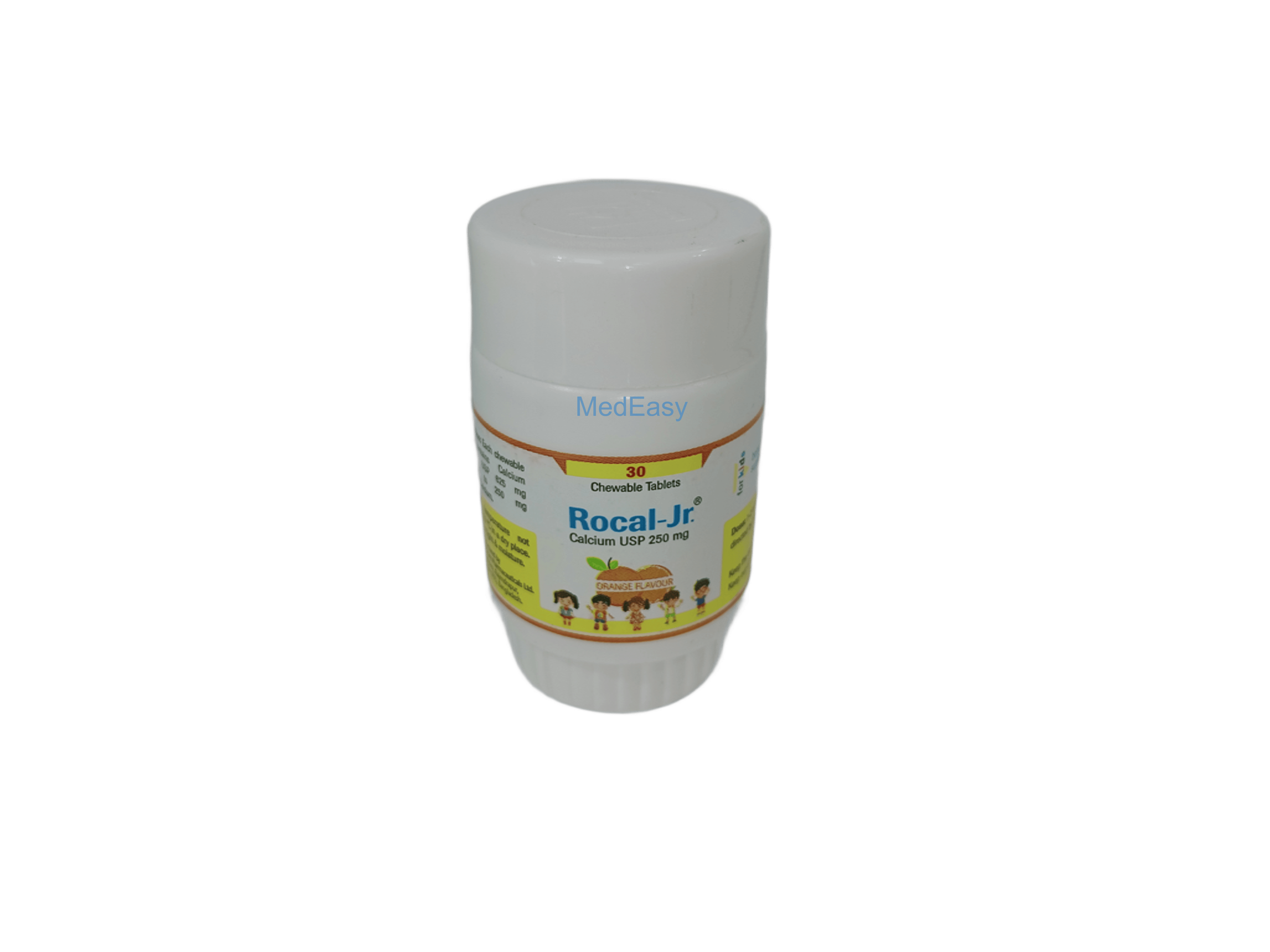
Generic medicine

Calcium Carbonate [Elemental source]: Brands, Price & Uses in Bangladesh

Calcium Carbonate [Elemental source] is indicated for the following uses, classified by strength of evidence: Established / well-supported uses Calcium supplementation: Prevention and treatment of…

Forms:Chewable Tablet

About Calcium Carbonate [Elemental source]

Indications of Calcium Carbonate [Elemental source]

Calcium Carbonate [Elemental source] is indicated for the following uses, classified by strength of evidence:

Established / well-supported uses

  • Calcium supplementation: Prevention and treatment of calcium deficiency in individuals with inadequate dietary intake, increased calcium requirements (e.g., pregnancy, lactation, growth), or documented hypocalcemia.
  • Adjunct in osteoporosis: Used together with vitamin D, weight-bearing exercise, and (where prescribed) specific osteoporosis medications (e.g., bisphosphonates) to support bone mineral density in the prevention and management of osteoporosis. Calcium Carbonate [Elemental source] alone is not a substitute for prescribed osteoporosis therapy when one is indicated.
  • Antacid (over-the-counter use): Symptomatic relief of heartburn, acid indigestion, and sour stomach, at antacid-range doses.

Adjunct / guideline-supported uses

  • Adjunct to phosphate binding in chronic kidney disease (as a calcium-based phosphate binder), under direct medical supervision only.
  • Adjunct management in conditions of increased calcium loss (e.g., long-term corticosteroid use) as advised by a physician.

Calcium Carbonate [Elemental source] should be used for indications and at doses recommended by a physician or pharmacist, since it is available both as a nutritional supplement and as an over-the-counter antacid.

Dosage & Administration of Calcium Carbonate [Elemental source]

As a calcium supplement (calcium deficiency, osteoporosis adjunct)

PopulationTypical elemental calcium dose
Adults (general supplementation)500 mg to 1000 mg elemental calcium per day, in divided doses, adjusted to total dietary intake and physician recommendation
Adults with osteoporosis (adjunct)1000 mg to 1200 mg elemental calcium per day (from diet plus supplement combined), usually with vitamin D, as advised by a physician
Pregnant/lactating womenAs advised by physician, based on dietary intake and individual requirement (see Use in Special Populations)
ChildrenWeight/age-based dosing as advised by a pediatrician (see Pediatric Uses)

As an antacid (heartburn/acid indigestion, OTC use)

Typically 500 mg to 1500 mg (as calcium carbonate) taken as needed for symptom relief, not to exceed the maximum daily dose stated on the product label; do not use the maximum antacid dose for more than 2 weeks continuously without consulting a physician.

Administration

Take Calcium Carbonate [Elemental source] with food for optimal absorption when used as a calcium supplement, unless otherwise directed. Divide larger daily doses (e.g., more than 500 mg elemental calcium at one time) into two or more doses to improve absorption. Chewable tablets should be chewed thoroughly before swallowing; oral suspensions should be shaken well before use. Do not exceed the total combined calcium intake recommended from diet, supplements, and antacid use (see Precautions and Warnings).

Side Effects of Calcium Carbonate [Elemental source]

Calcium Carbonate [Elemental source] is generally well tolerated at recommended doses. Reported side effects include:

  • Common: Constipation, bloating, gas/flatulence, and mild stomach upset.
  • Less common: Nausea, vomiting, dry mouth, and headache.
  • With excessive or prolonged high-dose use: Hypercalcemia, hypercalciuria, and (rarely) milk-alkali syndrome (see Precautions and Warnings and Overdose Effects).

Contraindications of Calcium Carbonate [Elemental source]

Calcium Carbonate [Elemental source] is contraindicated in patients with:

  • Known hypersensitivity to calcium carbonate or any component of the formulation.
  • Hypercalcemia.
  • Conditions associated with hypercalcemia and hypercalciuria (e.g., hyperparathyroidism, hypervitaminosis D-associated hypercalcemia), unless specifically directed by a physician.
  • Calcium renal stones (active nephrolithiasis due to calcium), unless use is specifically directed and monitored by a physician.

Frequently Asked Questions about Calcium Carbonate [Elemental source]

Can I take Calcium Carbonate [Elemental source] with food?

Yes, Calcium Carbonate [Elemental source] is best taken with food, as this improves calcium absorption because food stimulates stomach acid, which helps dissolve and absorb calcium carbonate.

Can Calcium Carbonate [Elemental source] be used as an antacid for heartburn?

Yes, Calcium Carbonate [Elemental source] is used over-the-counter for symptomatic relief of heartburn and acid indigestion at antacid doses; however, it should not be used at maximum doses for more than 2 weeks without consulting a physician.

Does Calcium Carbonate [Elemental source] interact with other medicines?

Yes, Calcium Carbonate [Elemental source] can reduce the absorption of certain antibiotics (tetracyclines, fluoroquinolones), bisphosphonates, thyroid hormone (levothyroxine), and iron supplements. It is generally recommended to separate dosing of Calcium Carbonate [Elemental source] from these medicines by several hours; consult your physician or pharmacist for specific timing.

Is Calcium Carbonate [Elemental source] safe during pregnancy and breastfeeding?

Calcium is an essential nutrient in pregnancy and lactation, but Calcium Carbonate [Elemental source] should be used only in the amount actually needed, and any use beyond standard dietary/prenatal calcium requirements should be discussed with a physician, since the benefit should justify any potential risk from exceeding recommended total calcium intake.

What happens if I take too much Calcium Carbonate [Elemental source]?

Taking too much Calcium Carbonate [Elemental source] can cause hypercalcemia, with symptoms such as nausea, vomiting, constipation, confusion, and muscle weakness, and prolonged excessive use can rarely cause milk-alkali syndrome. If overdose is suspected, seek immediate medical attention or contact a poison control center rather than attempting home treatment.

Can Calcium Carbonate [Elemental source] cause constipation?

Yes, constipation is a common side effect of Calcium Carbonate [Elemental source]. Adequate fluid intake, dietary fiber, and physical activity may help reduce this effect; consult a physician if constipation is severe or persistent.

Disclaimer

The information provided is accurate to the best of our knowledge, but it does not replace professional medical advice. We cannot guarantee its completeness or accuracy, and the absence of specific information about a drug should not be taken as an endorsement. We are not responsible for any consequences arising from this information, so please consult a healthcare professional for any concerns or questions.

DoctorBlogArticles