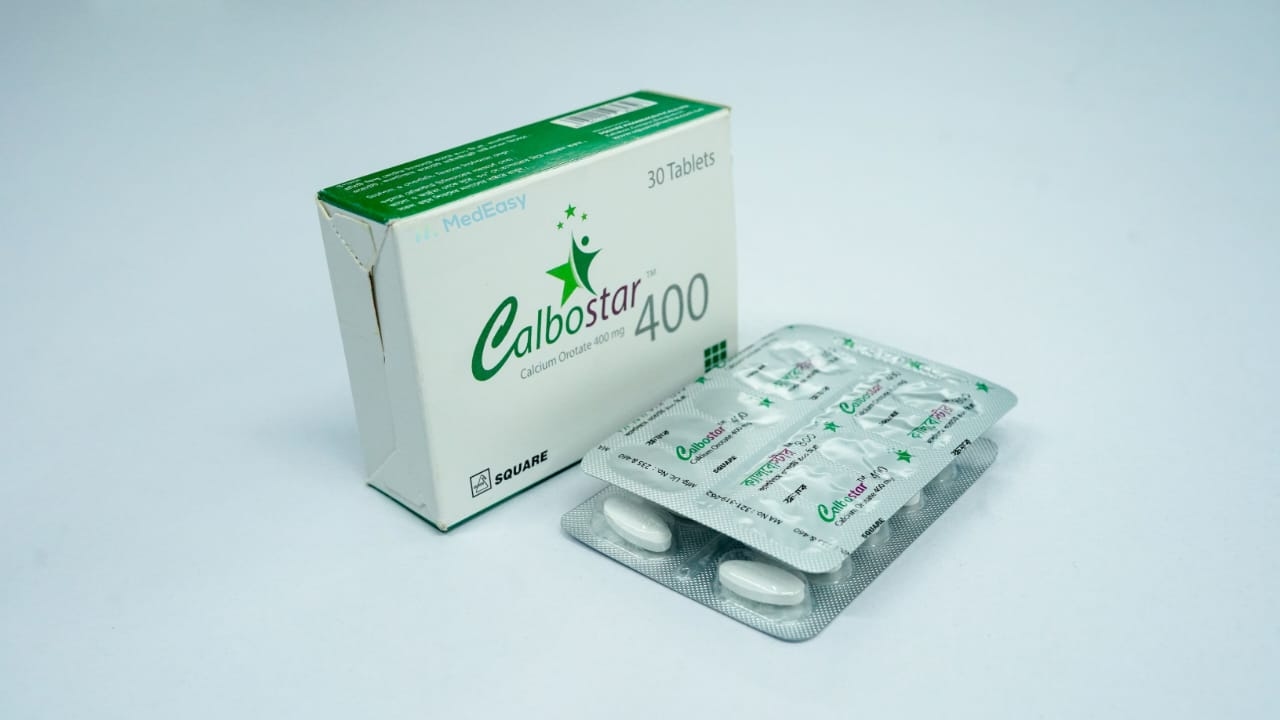
Generic medicine

Calcium Orotate: Brands, Price & Uses in Bangladesh

Calcium Orotate is a mineral supplement used to provide supplemental calcium in the following settings: Established / commonly used indications Prevention and treatment of dietary calcium deficiency and more.

Forms:Tablet

About Calcium Orotate

Indications of Calcium Orotate

Calcium Orotate is a mineral supplement used to provide supplemental calcium in the following settings:

Established / commonly used indications

  • Prevention and treatment of dietary calcium deficiency, when dietary intake alone is insufficient.
  • As an adjunct to diet and, where prescribed, vitamin D and other agents, in the prevention and management of osteoporosis and low bone mineral density, particularly in postmenopausal women and the elderly.
  • Supportive calcium supplementation during periods of increased calcium requirement, such as pregnancy and lactation, growth in children and adolescents, and in the elderly.
  • Adjunctive management of hypocalcaemia (under medical supervision), usually alongside vitamin D and correction of the underlying cause.

Marketing claim (evidence-limited)

Calcium Orotate is sometimes promoted as having superior absorption/bioavailability compared with other calcium salts (e.g., calcium carbonate or calcium citrate). This claim is not well substantiated by robust clinical evidence; Calcium Orotate should be regarded as a calcium-delivery form with efficacy comparable to other calcium salts, used for the same core purpose of calcium supplementation.

Dosage & Administration of Calcium Orotate

Adult dose

IndicationTypical adult dose (as elemental calcium)
Dietary calcium supplementation500–1000 mg elemental calcium daily, in divided doses, adjusted to diet
Adjunct in osteoporosis prevention/management1000–1200 mg elemental calcium daily (often combined with vitamin D), per physician's advice
Pregnancy/lactation supplementationAs advised by the treating physician, typically 1000–1300 mg elemental calcium daily from diet plus supplement combined

Pediatric dose

Dosing in children is weight- and age-based and must be individualised by a physician according to recommended dietary calcium allowances for age; Calcium Orotate is not typically first-line in infants without medical supervision.

Renal/hepatic impairment

Use with caution and under medical supervision in renal impairment, since calcium handling and excretion are altered (see Precautions). No well-established hepatic dose adjustment is required.

General administration advice

Calcium Orotate is taken orally, generally with or after food to improve tolerability. If taking other oral medicines known to interact with calcium (see Interactions), separate dosing by at least 2–4 hours.

Side Effects of Calcium Orotate

Side effects with Calcium Orotate are generally mild and dose-related:

  • Gastrointestinal: constipation, bloating, flatulence, mild abdominal discomfort, nausea.
  • With excessive intake: symptoms of hypercalcaemia — fatigue, headache, dry mouth, increased thirst, polyuria, anorexia, nausea/vomiting (see Overdose).
  • Rare: hypersensitivity reactions (rash, itching).

Contraindications of Calcium Orotate

Calcium Orotate is contraindicated in:

  • Known hypersensitivity to calcium orotate or any component of the formulation.
  • Hypercalcaemia (e.g., due to hyperparathyroidism, malignancy, sarcoidosis, or excess vitamin D).
  • Hypercalciuria and conditions associated with a significant risk of calcium-containing kidney stones/nephrolithiasis, unless specifically directed by a physician.
  • Severe hypercalcaemic conditions such as milk-alkali syndrome.

Frequently Asked Questions about Calcium Orotate

What is Calcium Orotate used for?

Calcium Orotate is a calcium mineral supplement used to prevent and treat dietary calcium deficiency and to support bone health, often as an adjunct in osteoporosis prevention, alongside diet and, where prescribed, vitamin D.

Is Calcium Orotate better absorbed than other calcium supplements?

Calcium Orotate is sometimes marketed as having superior bioavailability, but robust clinical evidence supporting a meaningful advantage over other calcium salts such as calcium carbonate or calcium citrate is limited. It should be considered comparable in efficacy to other calcium supplements.

Can I take Calcium Orotate during pregnancy or while breastfeeding?

Calcium Orotate should be used in pregnancy and lactation only if clearly needed and the potential benefit justifies any potential risk; total calcium intake from diet plus supplement should not exceed recommended levels. Always consult a physician before use.

Who should not take Calcium Orotate?

Calcium Orotate should not be used by people with hypercalcaemia, hypercalciuria, a significant history of calcium-containing kidney stones (unless a physician specifically advises otherwise), or known hypersensitivity to the product.

Can Calcium Orotate be taken with antibiotics or thyroid medicine?

Calcium Orotate can reduce absorption of tetracycline and fluoroquinolone antibiotics, levothyroxine, bisphosphonates, and iron or zinc supplements if taken together. These should be separated from Calcium Orotate by at least 2–4 hours, or as directed by a physician or pharmacist.

What happens if I take too much Calcium Orotate?

Excessive or prolonged high-dose use of Calcium Orotate can cause hypercalcaemia, with symptoms such as nausea, vomiting, constipation, muscle weakness, confusion, and excessive thirst. If overdose is suspected, seek immediate medical attention or contact emergency services/poison control promptly.

Disclaimer

The information provided is accurate to the best of our knowledge, but it does not replace professional medical advice. We cannot guarantee its completeness or accuracy, and the absence of specific information about a drug should not be taken as an endorsement. We are not responsible for any consequences arising from this information, so please consult a healthcare professional for any concerns or questions.
DoctorBlogArticles