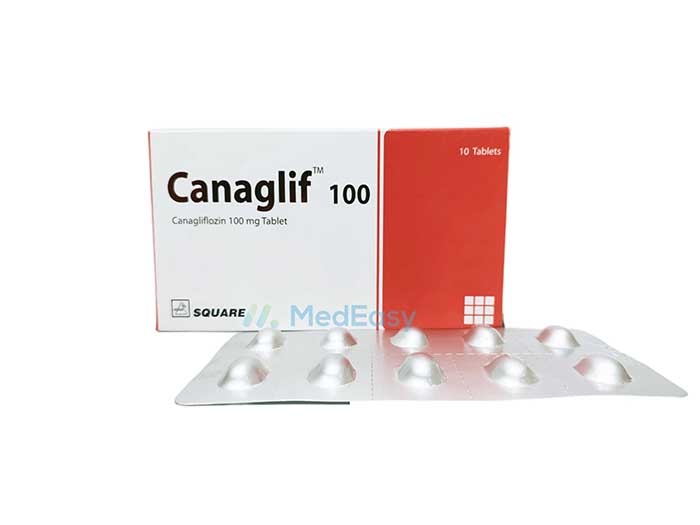
Generic medicine

Canagliflozin Hemihydrate: Brands, Price & Uses in Bangladesh

Canagliflozin Hemihydrate is a sodium-glucose cotransporter 2 (SGLT2) inhibitor with the following evidence-based indications: Established/FDA-approved uses Glycemic control in type 2 diabetes…

Forms:Tablet

About Canagliflozin Hemihydrate

Indications of Canagliflozin Hemihydrate

Canagliflozin Hemihydrate is a sodium-glucose cotransporter 2 (SGLT2) inhibitor with the following evidence-based indications:

Established/FDA-approved uses

  • Glycemic control in type 2 diabetes mellitus: Canagliflozin Hemihydrate is indicated as an adjunct to diet and exercise to improve glycemic control in adults with type 2 diabetes mellitus. It is not indicated for type 1 diabetes mellitus or diabetic ketoacidosis.
  • Cardiovascular risk reduction: Canagliflozin Hemihydrate is indicated to reduce the risk of major adverse cardiovascular events (cardiovascular death, non-fatal myocardial infarction, and non-fatal stroke) in adults with type 2 diabetes mellitus and established cardiovascular disease.
  • Diabetic nephropathy (kidney protection): Canagliflozin Hemihydrate is indicated to reduce the risk of end-stage kidney disease, doubling of serum creatinine, cardiovascular death, and hospitalization for heart failure in adults with type 2 diabetes mellitus and diabetic nephropathy with albuminuria.

Adjunct/combination use

Canagliflozin Hemihydrate is commonly used in combination with other antidiabetic agents (metformin, sulfonylureas, insulin) when glycemic control is inadequate on a single agent, always alongside diet and exercise.

Dosage & Administration of Canagliflozin Hemihydrate

General instructions

Canagliflozin Hemihydrate should be taken orally, once daily, before the first meal of the day. If a dose is missed, it should be taken as soon as remembered on the same day; two doses should not be taken on the same day to make up for a missed dose.

IndicationAdult dosing
Glycemic control in type 2 diabetes mellitusInitiate at 100 mg once daily. In patients tolerating the 100 mg dose who have an eGFR of 60 mL/min/1.73 m² or greater and who need additional glycemic control, the dose may be increased to 300 mg once daily.
Cardiovascular risk reduction (established cardiovascular disease)100 mg once daily; may be increased to 300 mg once daily based on tolerability and the need for additional glycemic control, if eGFR is adequate.
Diabetic nephropathy with albuminuria100 mg once daily.

Renal impairment

Dose adjustment and eligibility for Canagliflozin Hemihydrate depend on estimated glomerular filtration rate (eGFR); Canagliflozin Hemihydrate should not be initiated in patients with an eGFR below 30 mL/min/1.73 m² for the purpose of glycemic control, and is contraindicated in severe renal impairment, end-stage renal disease, or dialysis (see Contraindications). A physician should individualize renal dosing based on current eGFR and indication.

Hepatic impairment

No dose adjustment is required in mild to moderate hepatic impairment. Use in severe hepatic impairment has not been studied and is not recommended.

Side Effects of Canagliflozin Hemihydrate

Common side effects of Canagliflozin Hemihydrate include:

  • Female genital mycotic infections (vulvovaginal candidiasis) and male genital mycotic infections (balanitis)
  • Urinary tract infections
  • Increased urination and thirst
  • Constipation, nausea
  • Increased LDL cholesterol

Less common but serious side effects requiring prompt medical attention include diabetic ketoacidosis, acute kidney injury, hyperkalemia, hypotension/volume depletion, necrotizing fasciitis of the perineum (Fournier's gangrene), bone fracture, lower-limb amputation, and hypersensitivity reactions (see Precautions and Warnings).

Contraindications of Canagliflozin Hemihydrate

Canagliflozin Hemihydrate is contraindicated in:

  • Patients with a history of serious hypersensitivity reaction (e.g., anaphylaxis, angioedema) to Canagliflozin Hemihydrate or any component of the formulation.
  • Patients with severe renal impairment, end-stage renal disease, or patients on dialysis.

Frequently Asked Questions about Canagliflozin Hemihydrate

What is Canagliflozin Hemihydrate used for?

Canagliflozin Hemihydrate is used to improve blood glucose control in adults with type 2 diabetes mellitus, alongside diet and exercise. It is also used to reduce the risk of major cardiovascular events in patients with type 2 diabetes and established heart disease, and to reduce the risk of kidney disease progression in patients with type 2 diabetes and diabetic kidney disease with albuminuria.

How should I take Canagliflozin Hemihydrate?

Canagliflozin Hemihydrate is usually taken once daily by mouth, before the first meal of the day, at around the same time each day. Follow your physician's exact instructions regarding the dose.

Can Canagliflozin Hemihydrate cause low blood sugar (hypoglycemia)?

Canagliflozin Hemihydrate alone has a low risk of causing hypoglycemia, but the risk increases when it is combined with insulin or sulfonylureas. Discuss with your physician if you experience symptoms such as shakiness, sweating, or confusion.

Who should not take Canagliflozin Hemihydrate?

Canagliflozin Hemihydrate should not be used by patients with a known serious hypersensitivity reaction to it, or by patients with severe renal impairment, end-stage renal disease, or those on dialysis.

What serious side effects should I watch for with Canagliflozin Hemihydrate?

Seek prompt medical attention if you develop nausea, vomiting, abdominal pain, or unusual fatigue (possible ketoacidosis), new pain, sores, or infections in your legs or feet (possible risk of amputation), or severe pain/swelling in the genital or perineal area with fever (a rare but serious infection called Fournier's gangrene).

Can Canagliflozin Hemihydrate be used during pregnancy or breastfeeding?

Canagliflozin Hemihydrate is generally not recommended during pregnancy or breastfeeding due to limited safety data and potential effects on fetal kidney development. Use only if clearly needed and after consulting a physician.

Disclaimer

The information provided is accurate to the best of our knowledge, but it does not replace professional medical advice. We cannot guarantee its completeness or accuracy, and the absence of specific information about a drug should not be taken as an endorsement. We are not responsible for any consequences arising from this information, so please consult a healthcare professional for any concerns or questions.

DoctorBlogArticles