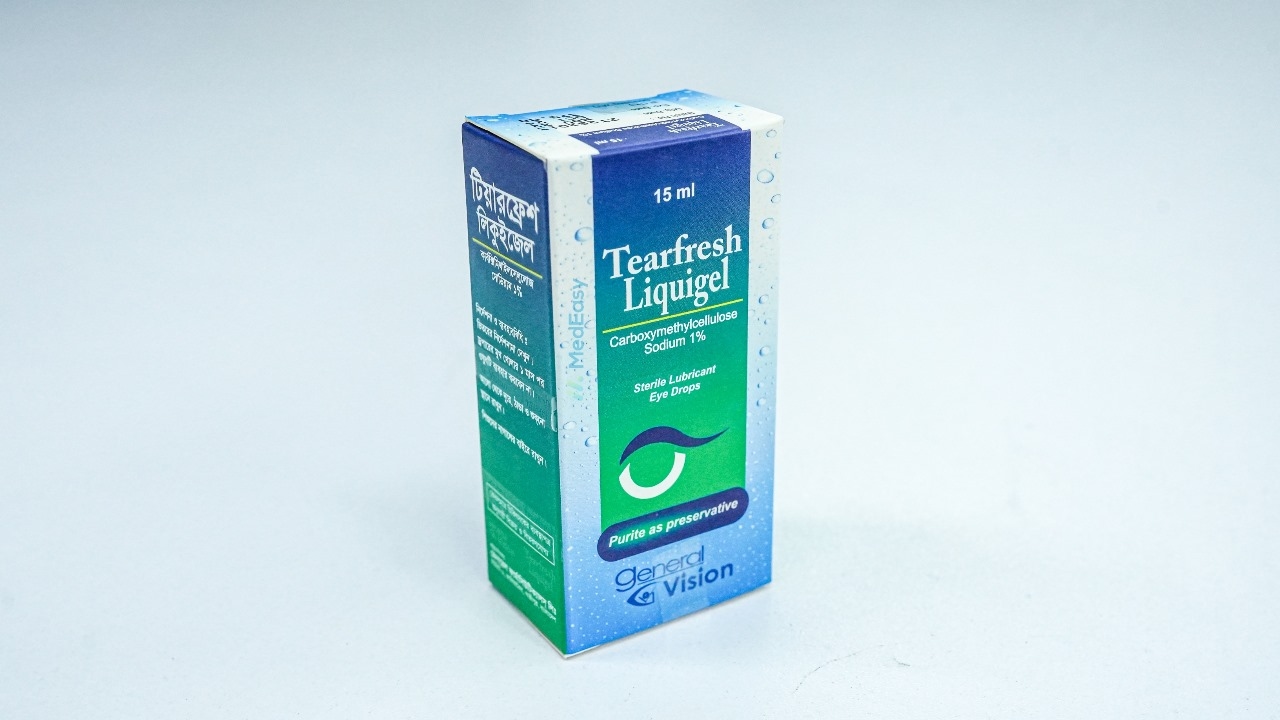
Generic medicine

Carboxymethyl Cellulose: Brands, Price & Uses in Bangladesh

Established / OTC-Approved Use Carboxymethyl Cellulose (also known as carmellose sodium or sodium carboxymethylcellulose) is an ophthalmic demulcent/lubricant that is established and more.

Forms:Ophthalmic Solution

About Carboxymethyl Cellulose

Indications of Carboxymethyl Cellulose

Established / OTC-Approved Use

Carboxymethyl Cellulose (also known as carmellose sodium or sodium carboxymethylcellulose) is an ophthalmic demulcent/lubricant that is established, under FDA OTC ophthalmic drug monographs, for the temporary relief of burning, irritation, and discomfort due to dryness of the eye (dry eye syndrome, keratoconjunctivitis sicca) and for relief of eye discomfort caused by exposure to wind, sun, or other minor environmental irritants.

  • Symptomatic relief of dry, gritty, burning, or irritated eyes
  • Protection of the ocular surface from further dryness/irritation (as a demulcent/protectant)
  • Use as a lubricant to reduce discomfort associated with artificial eye prostheses (some formulations are labeled for this)

Adjunct Use

Carboxymethyl Cellulose eye drops are commonly used as an adjunct lubricant before or after ophthalmic procedures, contact lens wear, or alongside other prescription eye medications to counter ocular surface dryness.

Other Pharmaceutical Uses (Non-Ophthalmic Formulations)

In some markets, oral formulations containing Carboxymethyl Cellulose are used as a bulk-forming agent for the management of constipation and for regulating stool consistency (e.g., after ileostomy/colostomy). This is a formulation-specific, less common use compared to the ophthalmic lubricant use, which is the form most widely available and used in Bangladesh.

Carboxymethyl Cellulose is also widely used as a pharmaceutical excipient (viscosity-modifying, suspending, and binding agent) in tablets, oral suspensions, and topical/ophthalmic gel formulations; in this role it is not itself the therapeutic agent.

Dosage & Administration of Carboxymethyl Cellulose

Ophthalmic Lubricant (most common use)

PopulationDose
Adults and childrenInstill 1-2 drops of Carboxymethyl Cellulose ophthalmic solution into the affected eye(s) as needed for symptom relief; may be used up to 4 times daily or as directed by a physician.
Ophthalmic gel formApply a small amount (about 0.5 inch/1.25 cm strip) into the lower eyelid pouch as needed, typically less frequently than drops due to longer-lasting effect; often used at bedtime for prolonged nighttime lubrication.

Administration Instructions

  • Wash hands before use.
  • Tilt the head back, pull down the lower eyelid to form a small pocket, and instill the drop(s) without letting the dropper tip touch the eye, eyelid, fingers, or any other surface.
  • Close the eye gently for 1-2 minutes after instillation.
  • If using other eye drops or ointments at the same time, wait at least 5-10 minutes between different products.
  • Replace the cap securely after each use.

Oral Bulk-Forming Use (where marketed)

When used as an oral bulk-forming agent, Carboxymethyl Cellulose tablets/granules should be taken with a full glass of water (and adequate fluid intake maintained throughout the day) exactly as directed by a physician or on the product label, as inadequate fluid intake with bulk-forming agents can increase the risk of choking or intestinal obstruction.

Side Effects of Carboxymethyl Cellulose

Carboxymethyl Cellulose ophthalmic products are generally very well tolerated. Reported adverse effects are typically mild and transient:

  • Temporary blurred vision immediately after instillation
  • Mild stinging, burning, or a foreign-body/sticky sensation in the eye on instillation
  • Eye redness or irritation (uncommon)
  • Rare hypersensitivity reactions (itching, swelling, redness) - usually related to a preservative rather than Carboxymethyl Cellulose itself

With oral bulk-forming formulations, gastrointestinal effects such as bloating, flatulence, or abdominal cramping may occur, particularly if fluid intake is inadequate.

Contraindications of Carboxymethyl Cellulose

Carboxymethyl Cellulose is contraindicated in individuals with known hypersensitivity to Carboxymethyl Cellulose (carmellose sodium) or to any other ingredient in the specific formulation (e.g., a preservative such as benzalkonium chloride in some multi-dose products).

Frequently Asked Questions about Carboxymethyl Cellulose

What is Carboxymethyl Cellulose used for?

Carboxymethyl Cellulose (carmellose sodium) is most commonly used as an ophthalmic lubricant ("artificial tears") to relieve dryness, burning, and irritation of the eyes caused by dry eye syndrome or environmental factors like wind and sun exposure. Certain oral formulations of Carboxymethyl Cellulose are also used as a bulk-forming agent for constipation, though this is less common.

How many times a day can I use Carboxymethyl Cellulose eye drops?

Carboxymethyl Cellulose eye drops can generally be used as needed, up to 4 times daily, or as directed by your physician. If you need to use it more frequently than this for ongoing relief, consult your doctor, as this may indicate a need for further evaluation or a preservative-free formulation.

Can I use Carboxymethyl Cellulose eye drops while wearing contact lenses?

You should remove your contact lenses before instilling Carboxymethyl Cellulose eye drops unless your specific product is labeled as safe for use with lenses in place. Lenses can usually be reinserted about 10-15 minutes after using the drops, or as directed on the product label.

Is Carboxymethyl Cellulose safe to use during pregnancy and breastfeeding?

Carboxymethyl Cellulose has minimal systemic absorption when used as an ophthalmic lubricant and is generally considered to have a favorable safety profile in pregnancy and breastfeeding. However, it should be used only if clearly needed, and you should consult your physician or pharmacist before use, as with any medicine during pregnancy or lactation.

Can children use Carboxymethyl Cellulose eye drops?

Yes, Carboxymethyl Cellulose eye drops are commonly and safely used in children for relief of dry or irritated eyes, but a physician should be consulted before use in infants and young children.

What should I do if I accidentally swallow Carboxymethyl Cellulose eye drops?

Accidental ingestion of a small amount of Carboxymethyl Cellulose ophthalmic solution is unlikely to cause serious harm due to its minimal systemic absorption, but if a large amount is swallowed or if any concerning symptoms occur, seek immediate medical attention or contact a poison control center/emergency services rather than attempting home treatment.

Disclaimer

The information provided is accurate to the best of our knowledge, but it does not replace professional medical advice. We cannot guarantee its completeness or accuracy, and the absence of specific information about a drug should not be taken as an endorsement. We are not responsible for any consequences arising from this information, so please consult a healthcare professional for any concerns or questions.
DoctorBlogArticles