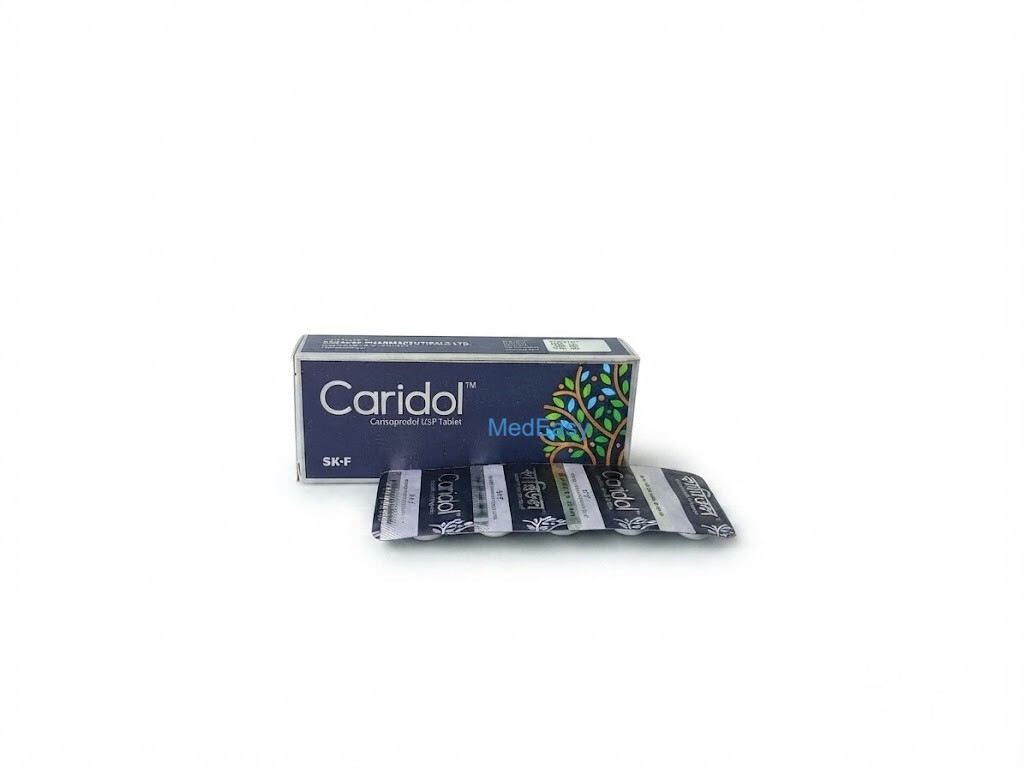
Generic medicine

Carisoprodol: Brands, Price & Uses in Bangladesh

Carisoprodol is indicated for the following use: Established/FDA-approved use Short-term (up to 2 to 3 weeks) relief of discomfort associated with acute, painful musculoskeletal conditions in adults and more.

Forms:Tablet

About Carisoprodol

Indications of Carisoprodol

Carisoprodol is indicated for the following use:

Established/FDA-approved use

  • Short-term (up to 2 to 3 weeks) relief of discomfort associated with acute, painful musculoskeletal conditions in adults, used as an adjunct to rest, physical therapy, and other measures (e.g., analgesics, local heat), not as a stand-alone treatment.

Carisoprodol is not indicated, and evidence does not support its use, for chronic pain conditions or musculoskeletal conditions lasting longer than 2 to 3 weeks, since most such conditions are self-limiting and long-term efficacy has not been demonstrated.

Dosage & Administration of Carisoprodol

IndicationPopulationDose
Acute, painful musculoskeletal conditionsAdults250 mg to 350 mg orally three times a day and at bedtime, for a maximum of 2 to 3 weeks
Acute, painful musculoskeletal conditionsPediatric patients under 16 yearsSafety and efficacy not established; not recommended

Treatment should be limited to short-term use (up to 2 to 3 weeks) since evidence of effectiveness for more prolonged use is lacking and the risk of dependence and misuse increases with longer use (see Precautions and Warnings). Carisoprodol may be taken with or without food. Doses should not be abruptly discontinued after extended use; see Precautions and Warnings for withdrawal risk.

Side Effects of Carisoprodol

The most commonly reported adverse effects with Carisoprodol include:

  • Drowsiness
  • Dizziness
  • Headache

Less common effects include tachycardia, postural hypotension, facial flushing, nausea, vomiting, hiccups, epigastric discomfort, tremor, ataxia, irritability, and insomnia.

Rare but serious effects include hypersensitivity/anaphylactoid reactions (which may occur after the first dose and can include facial flushing, swelling, weakness, and dyspnea), asthma-like reactions, eosinophilia, fever, and seizures; severe CNS and respiratory depression can occur with misuse or overdose (see Overdose Effects and Precautions and Warnings).

Contraindications of Carisoprodol

Carisoprodol is contraindicated in patients with:

  • Acute intermittent porphyria, due to the risk of precipitating an acute porphyric crisis.
  • Known hypersensitivity to Carisoprodol or to other carbamates (e.g., meprobamate).

Frequently Asked Questions about Carisoprodol

What is Carisoprodol used for?

Carisoprodol is used for short-term (2 to 3 weeks) relief of discomfort from acute, painful musculoskeletal conditions, such as muscle strains or spasms, used together with rest and physical therapy.

How long can I take Carisoprodol?

Carisoprodol should generally not be used for more than 2 to 3 weeks, since acute musculoskeletal pain typically resolves within this time and prolonged use increases the risk of dependence and misuse. Your physician will advise if a longer course of Carisoprodol is truly necessary.

Is Carisoprodol addictive?

Yes. Carisoprodol is broken down in the body into meprobamate, a controlled substance with sedative properties, and Carisoprodol itself has a recognized potential for misuse, abuse, and physical dependence, especially with prolonged use or when combined with alcohol, opioids, or benzodiazepines. It should be used exactly as prescribed and not shared with others.

Can I drink alcohol while taking Carisoprodol?

No. Alcohol should be avoided while taking Carisoprodol, as the combination can cause additive sedation and dangerous respiratory depression. The same caution applies to opioids, benzodiazepines, and other sedating medicines.

Can Carisoprodol be used during pregnancy or breastfeeding?

Carisoprodol should be used in pregnancy only if clearly needed, as data are limited, and during breastfeeding only after consulting a physician, since it passes into breast milk and may sedate the infant. Always discuss use of Carisoprodol with your doctor if you are pregnant or breastfeeding.

What should I do if I miss a dose or think I have taken too much Carisoprodol?

If you miss a dose of Carisoprodol, take it when you remember unless it is close to your next dose; do not double up. If you suspect an overdose of Carisoprodol, seek emergency medical care or contact a poison control center immediately, as overdose can be life-threatening, especially when combined with alcohol or other sedatives.

Disclaimer

The information provided is accurate to the best of our knowledge, but it does not replace professional medical advice. We cannot guarantee its completeness or accuracy, and the absence of specific information about a drug should not be taken as an endorsement. We are not responsible for any consequences arising from this information, so please consult a healthcare professional for any concerns or questions.

DoctorBlogArticles