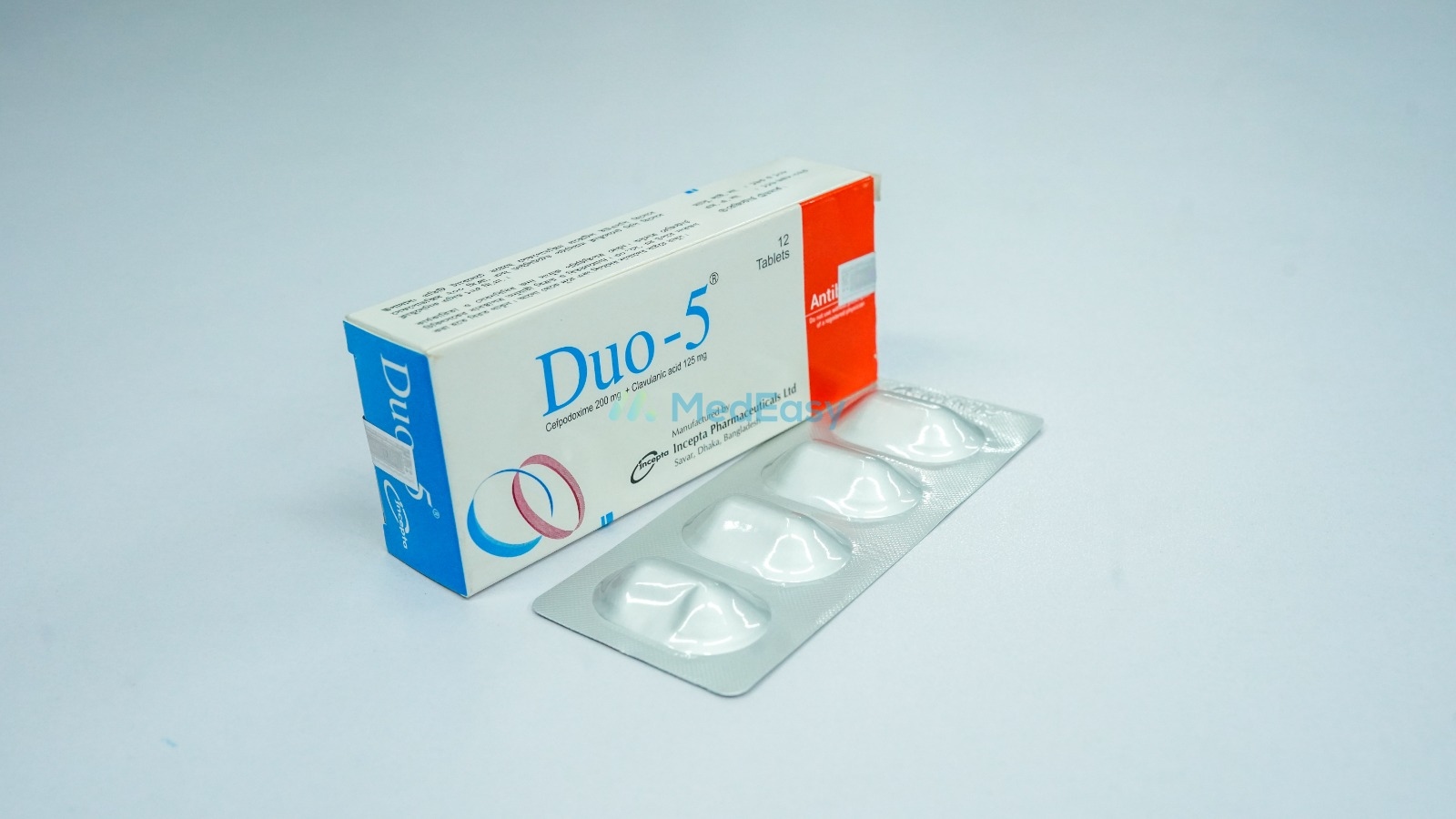
Generic medicine

Cefpodoxime Proxetil + Clavulanic Acid: Brands, Price & Uses in Bangladesh

Cefpodoxime Proxetil + Clavulanic Acid is a combination antibiotic used to treat bacterial infections caused by organisms that produce beta-lactamase enzymes and more.

Forms:Tablet

About Cefpodoxime Proxetil + Clavulanic Acid

Indications of Cefpodoxime Proxetil + Clavulanic Acid

Cefpodoxime Proxetil + Clavulanic Acid is a combination antibiotic used to treat bacterial infections caused by organisms that produce beta-lactamase enzymes, which would otherwise make the infection resistant to cefpodoxime alone. The clavulanic acid component blocks these enzymes, restoring the effectiveness of cefpodoxime against a broader range of bacteria.

Established/Guideline-supported uses

  • Upper and lower respiratory tract infections, including acute bacterial sinusitis, pharyngitis/tonsillitis, and acute exacerbation of chronic bronchitis, when caused by beta-lactamase-producing pathogens.
  • Community-acquired pneumonia due to susceptible, beta-lactamase-producing organisms.
  • Acute otitis media in children caused by beta-lactamase-producing strains.
  • Uncomplicated urinary tract infections caused by beta-lactamase-producing organisms.
  • Skin and soft tissue infections (e.g. cellulitis, abscess, wound infection) caused by beta-lactamase-producing bacteria.
  • Ear, nose and throat (ENT) infections such as recurrent or treatment-resistant sinusitis and otitis media.

Cefpodoxime Proxetil + Clavulanic Acid should only be used for infections confirmed or strongly suspected to be caused by susceptible bacteria. It is not effective against viral infections such as the common cold or flu.

Dosage & Administration of Cefpodoxime Proxetil + Clavulanic Acid

The dose of Cefpodoxime Proxetil + Clavulanic Acid depends on the type and severity of infection, age, and renal function. It should always be taken exactly as prescribed by a physician.

IndicationTypical Adult DoseTypical Duration
Respiratory tract infections (sinusitis, bronchitis, pneumonia)Cefpodoxime 200 mg component twice daily7-14 days
Uncomplicated urinary tract infectionCefpodoxime 100-200 mg component twice daily7-10 days
Skin and soft tissue infectionCefpodoxime 200 mg component twice daily7-14 days
ENT infections (pharyngitis, otitis media)Cefpodoxime 100-200 mg component twice daily (weight-based in children)5-10 days

Renal impairment: In patients with significantly reduced kidney function (creatinine clearance below approximately 30 mL/min), the dosing interval is generally extended (e.g. to once daily) under a physician's guidance, since cefpodoxime is eliminated mainly by the kidneys.

Hepatic impairment: No specific dose adjustment is generally required for cefpodoxime in hepatic impairment, but caution is advised given the association of the clavulanic acid component with hepatic effects (see Precautions and Warnings).

Administration: Take Cefpodoxime Proxetil + Clavulanic Acid tablets with food to enhance absorption and reduce stomach upset. Shake the reconstituted oral suspension well before each dose and use the provided measuring device. Space doses evenly (e.g. every 12 hours). Take exactly as prescribed by your physician; do not stop, extend, skip doses, or share this medicine with others without medical advice. Completing the full prescribed course is essential even if symptoms improve early, to prevent relapse and antibiotic resistance.

Side Effects of Cefpodoxime Proxetil + Clavulanic Acid

Like all medicines, Cefpodoxime Proxetil + Clavulanic Acid can cause side effects, though not everyone experiences them.

Common

  • Diarrhea, loose stools, nausea, vomiting, abdominal pain or discomfort (the clavulanic acid component is associated with a higher rate of gastrointestinal upset than cefpodoxime alone).
  • Skin rash.
  • Headache.

Less common / Serious

  • Hypersensitivity reactions, including urticaria (hives), itching, and, rarely, severe anaphylactic reactions.
  • Clostridioides difficile-associated diarrhea (antibiotic-associated colitis), which can range from mild to life-threatening and may occur during or after treatment (class warning for cephalosporins).
  • Liver enzyme elevations and, rarely, cholestatic jaundice or hepatic dysfunction, more often reported with clavulanic acid-containing combinations, sometimes with delayed onset after stopping the medicine.
  • Vaginal candidiasis (yeast infection).
  • Rarely, blood count changes (e.g. eosinophilia) or a positive direct Coombs test without hemolysis.

Seek urgent medical attention for signs of a severe allergic reaction (swelling of the face/throat, difficulty breathing, severe rash), watery or bloody diarrhea that does not improve, or yellowing of the skin/eyes.

Contraindications of Cefpodoxime Proxetil + Clavulanic Acid

Cefpodoxime Proxetil + Clavulanic Acid is contraindicated in patients with:

  • Known hypersensitivity (allergy) to cefpodoxime, other cephalosporin antibiotics, or clavulanic acid.
  • A history of severe hypersensitivity (e.g. anaphylaxis or severe skin reactions) to penicillins, due to the possibility of cross-reactivity between penicillins and cephalosporins.
  • A prior history of cholestatic jaundice or hepatic dysfunction associated with a beta-lactamase inhibitor combination (e.g. co-amoxiclav) or with cefpodoxime.

Frequently Asked Questions about Cefpodoxime Proxetil + Clavulanic Acid

What is Cefpodoxime Proxetil + Clavulanic Acid used for?

Cefpodoxime Proxetil + Clavulanic Acid is a combination antibiotic used to treat bacterial infections of the respiratory tract, urinary tract, skin/soft tissue, and ear-nose-throat (ENT) region that are caused by bacteria producing beta-lactamase enzymes, which would otherwise resist treatment with cefpodoxime alone. It should be used only for bacterial infections confirmed or suspected by a physician, not for viral illnesses such as colds or flu.

How should I take Cefpodoxime Proxetil + Clavulanic Acid?

Take Cefpodoxime Proxetil + Clavulanic Acid exactly as prescribed by your physician, generally twice daily with food to improve absorption and reduce stomach upset. If using the oral suspension, shake it well before each dose and measure it with the provided device. Complete the full course even if you feel better early, and do not stop, extend, skip doses, or share this medicine with others without medical advice.

Can I take antacids or acid-reducing medicines with Cefpodoxime Proxetil + Clavulanic Acid?

Antacids, H2-blockers (like ranitidine or famotidine), and proton pump inhibitors (like omeprazole) reduce stomach acid, which can significantly lower the absorption of the cefpodoxime component of Cefpodoxime Proxetil + Clavulanic Acid and make it less effective. If you must take these medicines, space them as far apart from your Cefpodoxime Proxetil + Clavulanic Acid doses as possible and inform your physician.

Is Cefpodoxime Proxetil + Clavulanic Acid safe during pregnancy or breastfeeding?

Cefpodoxime Proxetil + Clavulanic Acid should be used in pregnancy only if your physician determines it is clearly needed and the potential benefit outweighs the potential risk to the fetus, as adequate studies in pregnant women are limited. Small amounts pass into breast milk, so breastfeeding mothers should use Cefpodoxime Proxetil + Clavulanic Acid only under medical advice, with monitoring of the infant for effects such as diarrhea or thrush.

What side effects can Cefpodoxime Proxetil + Clavulanic Acid cause?

The most common side effects of Cefpodoxime Proxetil + Clavulanic Acid are diarrhea, nausea, vomiting, abdominal discomfort, and skin rash. Less commonly, it can cause allergic reactions, severe diarrhea due to Clostridioides difficile infection, or liver problems such as jaundice. Seek urgent medical attention for signs of a severe allergic reaction (swelling, difficulty breathing), persistent watery/bloody diarrhea, or yellowing of the skin or eyes.

Who should not take Cefpodoxime Proxetil + Clavulanic Acid?

Cefpodoxime Proxetil + Clavulanic Acid should not be taken by anyone with a known allergy to cefpodoxime, other cephalosporin antibiotics, or clavulanic acid, or by those with a history of severe allergic reaction to penicillins (due to possible cross-reactivity), or a prior history of jaundice/liver problems caused by a similar beta-lactamase inhibitor combination. Always tell your physician about any drug allergies before starting Cefpodoxime Proxetil + Clavulanic Acid.

Disclaimer

The information provided is accurate to the best of our knowledge, but it does not replace professional medical advice. We cannot guarantee its completeness or accuracy, and the absence of specific information about a drug should not be taken as an endorsement. We are not responsible for any consequences arising from this information, so please consult a healthcare professional for any concerns or questions.

DoctorBlogArticles