Generic medicine

Chlorhexidine hydrochloride + Nystatin: Brands, Price & Uses in Bangladesh

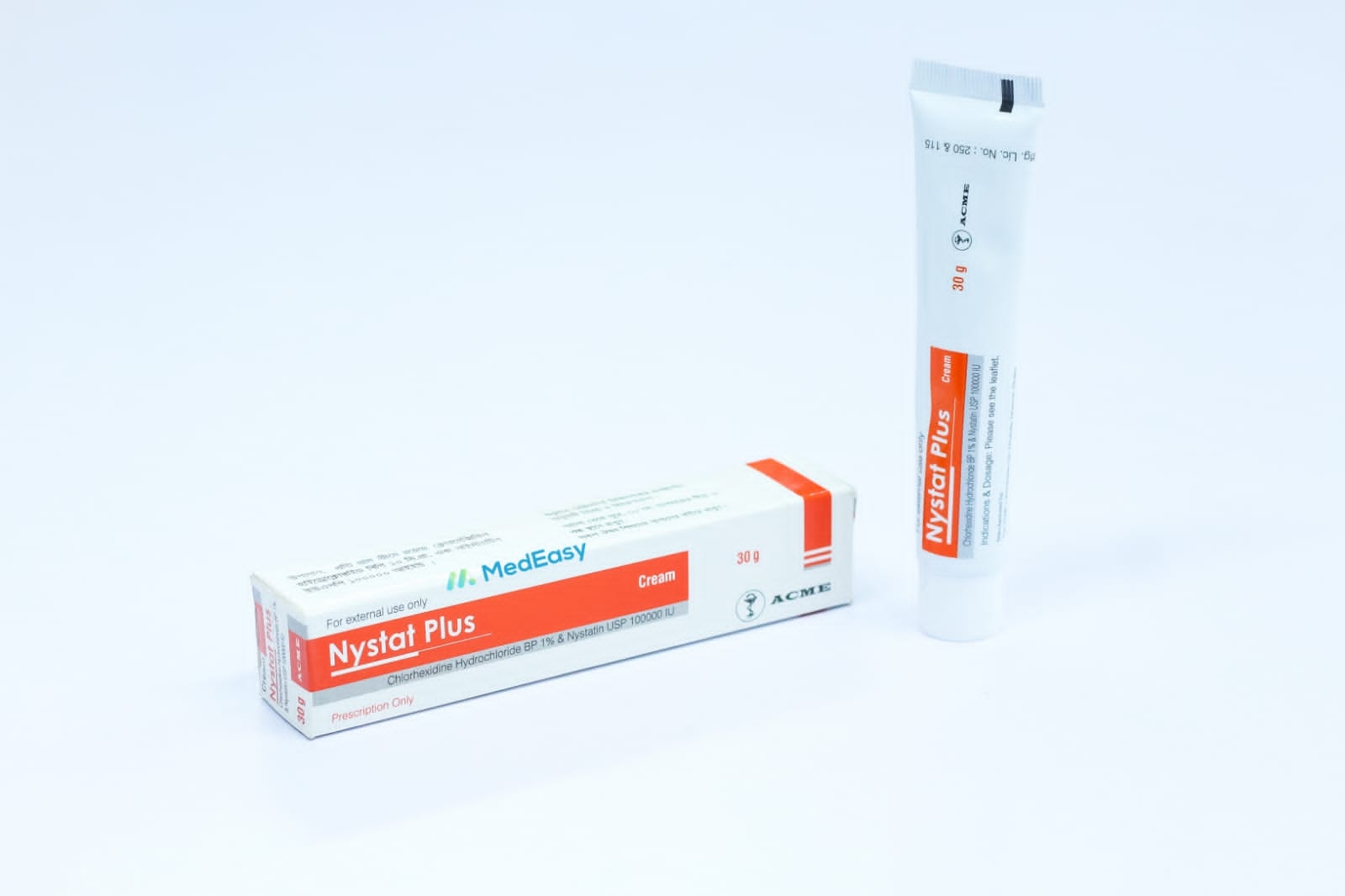
Chlorhexidine hydrochloride + Nystatin is a combination oral antiseptic-antifungal preparation used for the prevention and treatment of oral fungal infections and to support general oral hygiene.

Forms:Cream

About Chlorhexidine hydrochloride + Nystatin

Indications of Chlorhexidine hydrochloride + Nystatin

Chlorhexidine hydrochloride + Nystatin is a combination oral antiseptic-antifungal preparation used for the prevention and treatment of oral fungal infections and to support general oral hygiene. It combines chlorhexidine, a broad-spectrum antiseptic, with nystatin, an antifungal agent effective against Candida species.

  • Established use: Treatment of oral candidiasis (oral thrush), including denture-associated stomatitis and angular cheilitis caused by Candida overgrowth.
  • Established use: Prevention of oral candidiasis in patients at increased risk, such as denture wearers, infants, and immunocompromised or debilitated patients.
  • Adjunct use: Supportive oral hygiene care to reduce oral microbial load in patients with poor oral hygiene, on antibiotic or corticosteroid therapy, or with reduced salivary flow, where fungal overgrowth risk is elevated.
  • Adjunct use: As part of a comprehensive denture-hygiene regimen (used alongside denture disinfection) in patients with denture stomatitis.

Chlorhexidine hydrochloride + Nystatin is not intended for treatment of systemic or invasive fungal infections, which require systemic antifungal therapy.

Dosage & Administration of Chlorhexidine hydrochloride + Nystatin

IndicationRecommended Use
Oral candidiasis (treatment)Apply Chlorhexidine hydrochloride + Nystatin gel to the affected areas of the oral mucosa, typically 2-4 times daily after meals and at bedtime, or as directed by the physician/dentist, for the full recommended course (commonly 7-14 days), continuing for a few days after symptoms resolve to reduce recurrence.
Prevention of oral candidiasis (e.g., denture wearers, at-risk patients)Apply a thin layer to the oral mucosa and/or denture-bearing surfaces once or twice daily, or as directed by the physician/dentist.
Oral hygiene supportApply as part of a daily oral care routine as directed, in conjunction with routine dental hygiene measures.

Exact frequency, quantity, and duration should be individualized by the prescribing physician or dentist based on severity and response. Complete the full recommended treatment course of Chlorhexidine hydrochloride + Nystatin even if symptoms improve early, to reduce the risk of recurrence of fungal infection.

Side Effects of Chlorhexidine hydrochloride + Nystatin

  • Temporary staining of teeth, tongue, and oral restorations with regular chlorhexidine use (usually reversible with discontinuation or professional cleaning).
  • Altered or diminished taste sensation, which is typically reversible.
  • Local irritation, mild burning sensation, or dryness of the oral mucosa.
  • Increased supragingival calculus (tartar) formation with prolonged chlorhexidine use.
  • Mild, transient gastrointestinal upset if inadvertently swallowed in more than incidental amounts.
  • Rare hypersensitivity reactions, including allergic stomatitis or, very rarely, more severe allergic reactions.

If irritation worsens, or oral symptoms fail to improve or worsen during treatment with Chlorhexidine hydrochloride + Nystatin, discontinue use and seek medical or dental evaluation.

Contraindications of Chlorhexidine hydrochloride + Nystatin

Chlorhexidine hydrochloride + Nystatin is contraindicated in patients with known hypersensitivity to chlorhexidine, nystatin, or any other component of the formulation.

Frequently Asked Questions about Chlorhexidine hydrochloride + Nystatin

What is Chlorhexidine hydrochloride + Nystatin used for?

Chlorhexidine hydrochloride + Nystatin is used for the prevention and treatment of oral fungal infections such as oral thrush (oral candidiasis) and to support general oral hygiene, particularly in people at higher risk of oral fungal overgrowth, such as denture wearers and immunocompromised patients.

How should I use Chlorhexidine hydrochloride + Nystatin?

Apply a thin layer of Chlorhexidine hydrochloride + Nystatin gel to the affected areas of the mouth as directed by your physician or dentist, usually 2-4 times daily after meals. Complete the full recommended course even if your symptoms improve early, to reduce the chance of the infection returning.

Can Chlorhexidine hydrochloride + Nystatin cause staining of teeth?

Yes, regular use of chlorhexidine-containing products, including Chlorhexidine hydrochloride + Nystatin, can cause temporary staining of the teeth, tongue, and dental restorations, and can alter taste sensation. These effects are usually reversible after stopping treatment or with professional dental cleaning.

Is Chlorhexidine hydrochloride + Nystatin safe during pregnancy or breastfeeding?

Data are limited, and while systemic absorption is minimal with topical oral use, Chlorhexidine hydrochloride + Nystatin should be used during pregnancy or breastfeeding only if clearly needed and if the potential benefit outweighs any potential risk. Please consult your physician or dentist before use.

Can Chlorhexidine hydrochloride + Nystatin be used in infants?

Chlorhexidine hydrochloride + Nystatin may be used in infants for oral thrush under medical or dental supervision, with a small amount applied carefully to the affected areas. Always follow your physician's guidance regarding dose and application in infants.

What should I do if I accidentally swallow Chlorhexidine hydrochloride + Nystatin?

Swallowing a small, incidental amount is unlikely to cause harm since both components have minimal systemic absorption. If a large amount is swallowed or you notice concerning symptoms, seek immediate medical attention or contact a poison control center.

Disclaimer

The information provided is accurate to the best of our knowledge, but it does not replace professional medical advice. We cannot guarantee its completeness or accuracy, and the absence of specific information about a drug should not be taken as an endorsement. We are not responsible for any consequences arising from this information, so please consult a healthcare professional for any concerns or questions.

DoctorBlogArticles