Generic medicine

Cholecalciferol [Vitamin D3]: Brands, Price & Uses in Bangladesh

Cholecalciferol [Vitamin D3] is indicated for the following: Established / FDA-approved uses Prevention and treatment of vitamin D deficiency in children and adults and more.

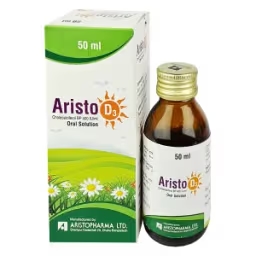
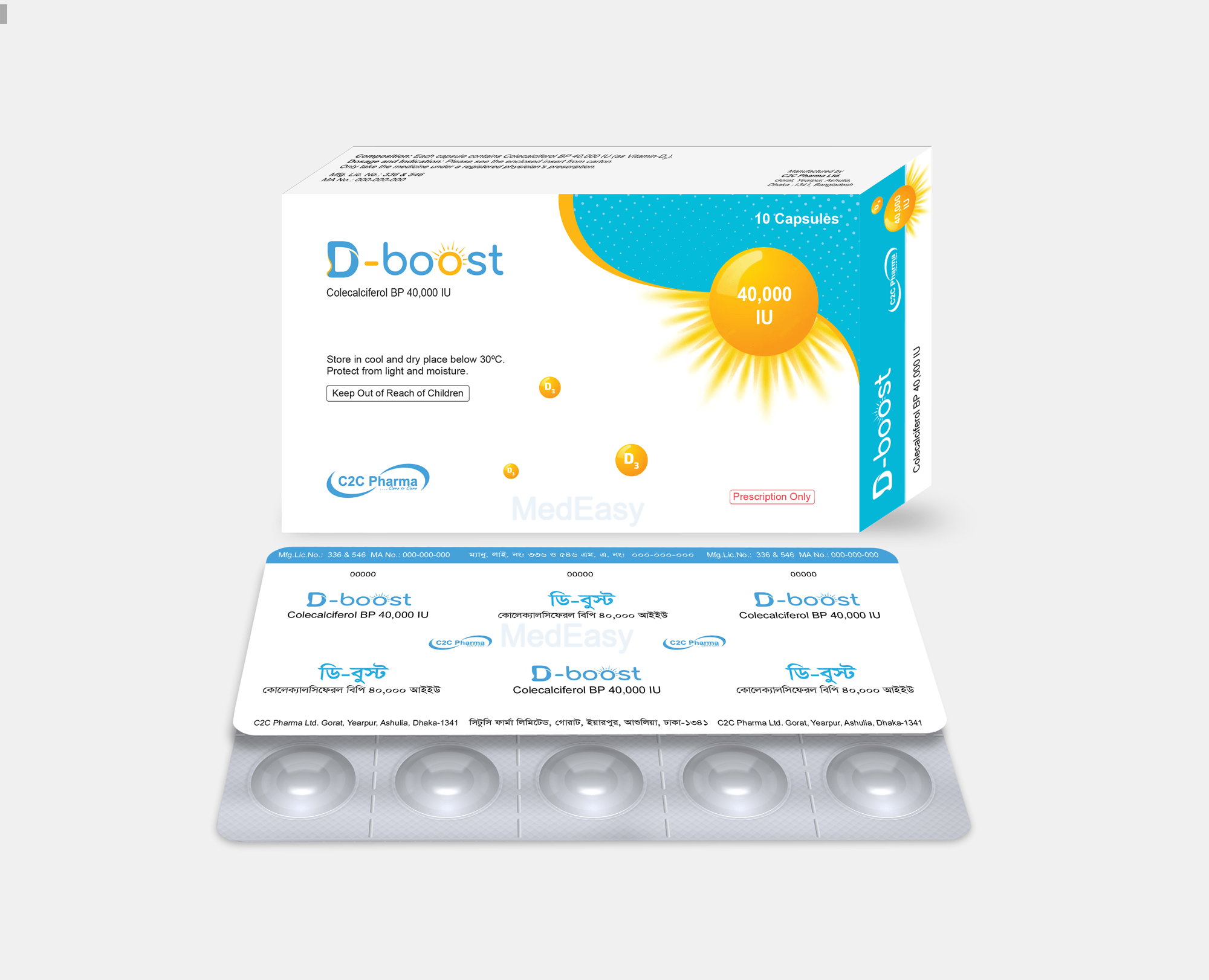
Forms:Oral SolutionInjectable Solution (Oral & IM)CapsuleChewable Tablet

About Cholecalciferol [Vitamin D3]

Indications of Cholecalciferol [Vitamin D3]

Cholecalciferol [Vitamin D3] is indicated for the following:

Established / FDA-approved uses

  • Prevention and treatment of vitamin D deficiency in children and adults, including deficiency confirmed by low serum 25-hydroxyvitamin D levels.
  • Prevention of rickets in infants and children and treatment of nutritional rickets.
  • Treatment of osteomalacia due to vitamin D deficiency.
  • Adjunctive therapy in hypoparathyroidism, to help maintain normal calcium levels.

Guideline-supported / adjunct uses

  • Adjunct to calcium supplementation for the prevention and treatment of osteoporosis, particularly in postmenopausal women and older adults, to reduce fracture risk.
  • Supportive therapy in chronic kidney disease-related metabolic bone disease and malabsorption syndromes causing vitamin D deficiency (used alongside other measures as directed by a physician).
  • General maintenance of bone health and prevention of deficiency in individuals with limited sun exposure, dark skin, obesity, or malabsorptive conditions, as advised by a physician.

The specific dose and duration depend on baseline vitamin D status, age, and underlying condition, and should be determined by a physician.

Dosage & Administration of Cholecalciferol [Vitamin D3]

Dosing of Cholecalciferol [Vitamin D3] depends on the indication, age, baseline vitamin D status, and formulation (daily low-dose vs. intermittent high-dose). The following is general guidance; the treating physician's prescribed regimen should always be followed.

Indication / PopulationTypical Dosing
Vitamin D deficiency (adults)Commonly 50,000 IU once weekly for 6-8 weeks (or equivalent daily high dose), followed by a maintenance dose of 1,000-2,000 IU daily, as directed by a physician.
Maintenance / prevention of deficiency (adults)Typically 600-2,000 IU daily, individualized based on risk factors and physician guidance.
Infants (0-12 months)400 IU daily (breastfed infants and those with limited fortified formula intake) as advised by a pediatrician.
Children and adolescents (1-18 years)600-1,000 IU daily, or higher physician-directed replacement doses for confirmed deficiency, followed by maintenance dosing.
Nutritional rickets (children)Physician-directed treatment courses using higher replacement doses over a defined period, followed by maintenance dosing.
Osteoporosis prevention (adjunct)Usually 800-2,000 IU daily combined with adequate calcium intake, as directed by a physician.

Administration

  • May be taken with or without food; absorption is improved when taken with a meal containing some fat.
  • High-dose weekly or monthly formulations must be spaced exactly as prescribed and must not be taken more frequently than directed, due to the risk of accumulation and toxicity (see Overdose).
  • Oral drops should be measured using the dropper/device provided with the product.
  • Injectable formulations, where available, are administered intramuscularly by a healthcare professional.

Side Effects of Cholecalciferol [Vitamin D3]

At recommended doses, Cholecalciferol [Vitamin D3] is generally well tolerated and side effects are uncommon. Adverse effects are primarily associated with excessive intake leading to hypercalcemia. Reported effects include:

  • Nausea, vomiting, constipation, decreased appetite, or dry mouth (with excessive dosing).
  • Headache, fatigue, weakness, or metallic taste.
  • Symptoms of hypercalcemia with overdose/toxicity: polyuria, polydipsia, confusion, muscle weakness, and, rarely, kidney impairment or arrhythmias (see Overdose).
  • Mild allergic-type reactions (rash, pruritus) have rarely been reported.

Contraindications of Cholecalciferol [Vitamin D3]

Cholecalciferol [Vitamin D3] is contraindicated in:

  • Known hypersensitivity to cholecalciferol or any component of the formulation.
  • Hypervitaminosis D (vitamin D toxicity).
  • Hypercalcemia or evidence of vitamin D toxicity.

Frequently Asked Questions about Cholecalciferol [Vitamin D3]

What is Cholecalciferol [Vitamin D3] used for?

Cholecalciferol [Vitamin D3] is used to prevent and treat vitamin D deficiency, support bone health, and treat or prevent conditions like rickets and osteomalacia. It is also used as an adjunct with calcium in the prevention and management of osteoporosis, as directed by a physician.

Can I take a high-dose weekly or monthly Cholecalciferol [Vitamin D3] supplement without a doctor's advice?

No. High-dose formulations of Cholecalciferol [Vitamin D3] (such as 50,000 IU or higher) should only be taken exactly as prescribed and spaced as directed by a physician. Because Cholecalciferol [Vitamin D3] is a fat-soluble vitamin, it can accumulate in the body, and taking high doses too frequently or without medical supervision can lead to vitamin D toxicity and hypercalcemia, with symptoms such as nausea, weakness, and kidney problems.

Is Cholecalciferol [Vitamin D3] safe during pregnancy and breastfeeding?

At doses recommended by a physician (typically standard prenatal supplementation doses), Cholecalciferol [Vitamin D3] is generally considered safe during pregnancy and breastfeeding and is commonly included in prenatal vitamins. However, it should be used only in the dose advised by a physician, since excessive high-dose supplementation is not recommended during pregnancy or lactation. Always consult your physician before starting or adjusting the dose.

What are the signs of Cholecalciferol [Vitamin D3] overdose or toxicity?

Overdose of Cholecalciferol [Vitamin D3] can cause vitamin D toxicity with hypercalcemia, presenting as nausea, vomiting, loss of appetite, constipation, weakness, confusion, excessive thirst, and increased urination; severe or prolonged cases can affect the kidneys and heart rhythm. If you suspect an overdose, seek immediate medical attention or contact emergency services/poison control rather than attempting home treatment.

Who should avoid taking Cholecalciferol [Vitamin D3]?

Cholecalciferol [Vitamin D3] should be avoided by anyone with a known hypersensitivity to it, and by those with existing hypervitaminosis D or hypercalcemia. It should be used with caution and under close medical supervision in people with sarcoidosis or other granulomatous diseases, significant kidney impairment, or hyperparathyroidism, since these conditions increase the risk of hypercalcemia.

Can children take Cholecalciferol [Vitamin D3]?

Yes, Cholecalciferol [Vitamin D3] is commonly used in infants, children, and adolescents to prevent and treat vitamin D deficiency and rickets, following age-appropriate dosing guidance (for example, 400 IU/day is often recommended for breastfed infants). The dose should always be determined by a pediatrician, especially for higher-strength or injectable formulations.

Disclaimer

The information provided is accurate to the best of our knowledge, but it does not replace professional medical advice. We cannot guarantee its completeness or accuracy, and the absence of specific information about a drug should not be taken as an endorsement. We are not responsible for any consequences arising from this information, so please consult a healthcare professional for any concerns or questions.
DoctorBlogArticles