
Generic medicine

Cinnarizine + Dimenhydrinate: Brands, Price & Uses in Bangladesh

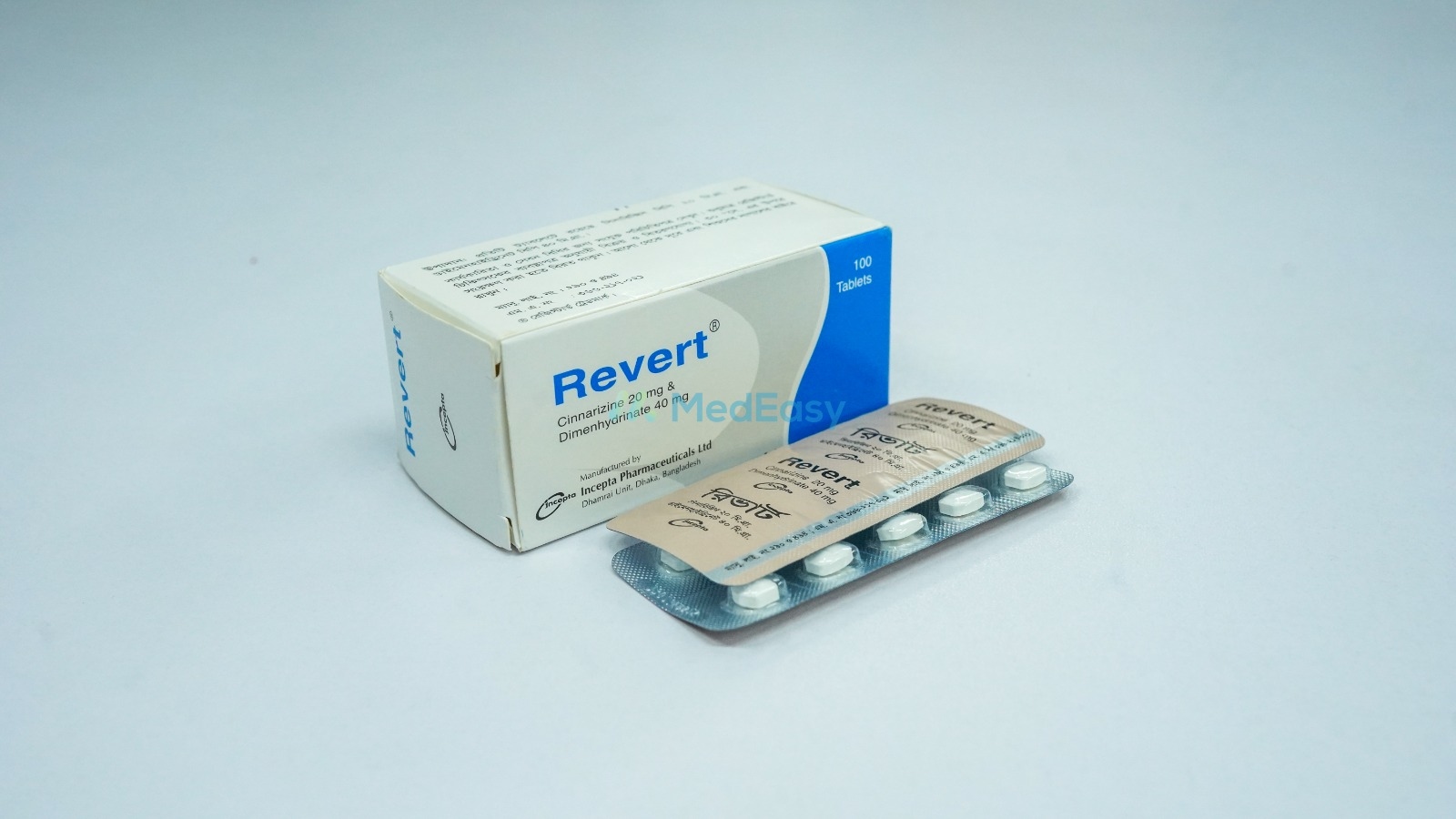
Cinnarizine + Dimenhydrinate is a fixed-dose combination antihistamine/antivertigo preparation indicated for: Treatment of vertigo of various origins (e.g., vestibular vertigo, Meniere's disease and more.

Forms:Tablet

About Cinnarizine + Dimenhydrinate

Indications of Cinnarizine + Dimenhydrinate

Cinnarizine + Dimenhydrinate is a fixed-dose combination antihistamine/antivertigo preparation indicated for:

  • Treatment of vertigo of various origins (e.g., vestibular vertigo, Meniere's disease, labyrinthitis) - this is the primary, well-established indication supported by clinical trial evidence.
  • Nausea and vomiting of vestibular origin associated with vertigo, as an accompanying symptom of the vestibular disorder being treated.

Some formulations and clinical practice also use Cinnarizine + Dimenhydrinate for prevention and relief of motion sickness, although this is a less formally evaluated, adjunct/off-label use in several regulatory labels compared with the vertigo indication; patients should follow their physician's specific advice for this use.

Cinnarizine + Dimenhydrinate is indicated for adults; safety and efficacy in children and adolescents under 18 years have not been established.

Dosage & Administration of Cinnarizine + Dimenhydrinate

IndicationPopulationRecommended Dose
Vertigo of various origins, with associated nausea/vomitingAdults and elderly1 tablet of Cinnarizine + Dimenhydrinate three times daily, taken with liquid after meals
Motion sickness (where used per physician's advice)AdultsAs directed by the prescribing physician; not established in all product labels
Any indicationChildren/adolescents under 18 yearsNot recommended - safety and efficacy not established

Tablets should be swallowed unchewed with some liquid after meals to reduce gastric irritation. Treatment with Cinnarizine + Dimenhydrinate should generally not exceed 4 weeks continuously without physician reassessment. Patients should take Cinnarizine + Dimenhydrinate exactly as advised by their physician and should not adjust the dose or duration on their own.

Side Effects of Cinnarizine + Dimenhydrinate

Cinnarizine + Dimenhydrinate is generally well tolerated, but the following adverse effects have been reported:

  • Common: Somnolence/drowsiness and fatigue (most frequent), dry mouth, headache, abdominal pain.
  • Uncommon: Paraesthesia, memory disturbance (amnesia), tinnitus, tremor, nervousness, dyspepsia, nausea, diarrhoea, sweating, skin rash.
  • Rare: Visual disturbances, photosensitivity, difficulty urinating (urinary hesitancy).
  • Very rare: Blood disorders (leukopenia, thrombocytopenia, aplastic anaemia), hypersensitivity reactions, extrapyramidal symptoms, cholestatic jaundice, weight gain, paradoxical excitability (more common in children).

Patients should seek medical attention if severe or persistent side effects occur while taking Cinnarizine + Dimenhydrinate.

Contraindications of Cinnarizine + Dimenhydrinate

Cinnarizine + Dimenhydrinate is contraindicated in the following situations:

  • Known hypersensitivity to cinnarizine, dimenhydrinate (or diphenhydramine/8-chlorotheophylline), or any other antihistamine of similar chemical structure.
  • Severe renal impairment (creatinine clearance ≤25 mL/min).
  • Severe hepatic impairment.
  • Angle-closure glaucoma.
  • Porphyria.
  • Established Parkinson's disease (cinnarizine can worsen extrapyramidal symptoms).

Frequently Asked Questions about Cinnarizine + Dimenhydrinate

What is Cinnarizine + Dimenhydrinate used for?

Cinnarizine + Dimenhydrinate is used mainly to treat vertigo (a spinning sensation of dizziness) of various causes and the nausea and vomiting that often accompany it. It is sometimes used, on a physician's advice, for motion sickness as well.

How should I take Cinnarizine + Dimenhydrinate?

Take Cinnarizine + Dimenhydrinate exactly as prescribed by your physician, usually one tablet three times daily, swallowed whole with some liquid after meals to reduce stomach irritation. Do not exceed the prescribed dose or duration, which is generally limited to about 4 weeks unless your doctor advises otherwise.

Can I drive or operate machinery while taking Cinnarizine + Dimenhydrinate?

Cinnarizine + Dimenhydrinate commonly causes drowsiness and can impair alertness. You should avoid driving or operating heavy or hazardous machinery until you know how this medicine affects you, and you should avoid alcohol and other sedating medicines while taking it.

Is Cinnarizine + Dimenhydrinate safe during pregnancy or breastfeeding?

Cinnarizine + Dimenhydrinate is not recommended during pregnancy, as safety has not been established; it should be used only if clearly needed and if the potential benefit justifies the potential risk to the fetus, and only under medical advice. It should not be used during breastfeeding, since both components pass into breast milk. Always consult your physician before use in either situation.

Who should not take Cinnarizine + Dimenhydrinate?

People with known hypersensitivity to cinnarizine, dimenhydrinate, or related antihistamines; those with severe kidney or liver impairment; angle-closure glaucoma; porphyria; or established Parkinson's disease should not take Cinnarizine + Dimenhydrinate. Always inform your doctor of your full medical history before starting this medicine.

What should I do if I miss a dose or take too much Cinnarizine + Dimenhydrinate?

If you miss a dose, take it as soon as you remember unless it is nearly time for your next dose - do not double up. If you suspect an overdose of Cinnarizine + Dimenhydrinate, which can cause severe drowsiness, confusion, or convulsions, seek immediate medical attention or contact emergency services/poison control right away.

Disclaimer

The information provided is accurate to the best of our knowledge, but it does not replace professional medical advice. We cannot guarantee its completeness or accuracy, and the absence of specific information about a drug should not be taken as an endorsement. We are not responsible for any consequences arising from this information, so please consult a healthcare professional for any concerns or questions.

DoctorBlogArticles