8% Off
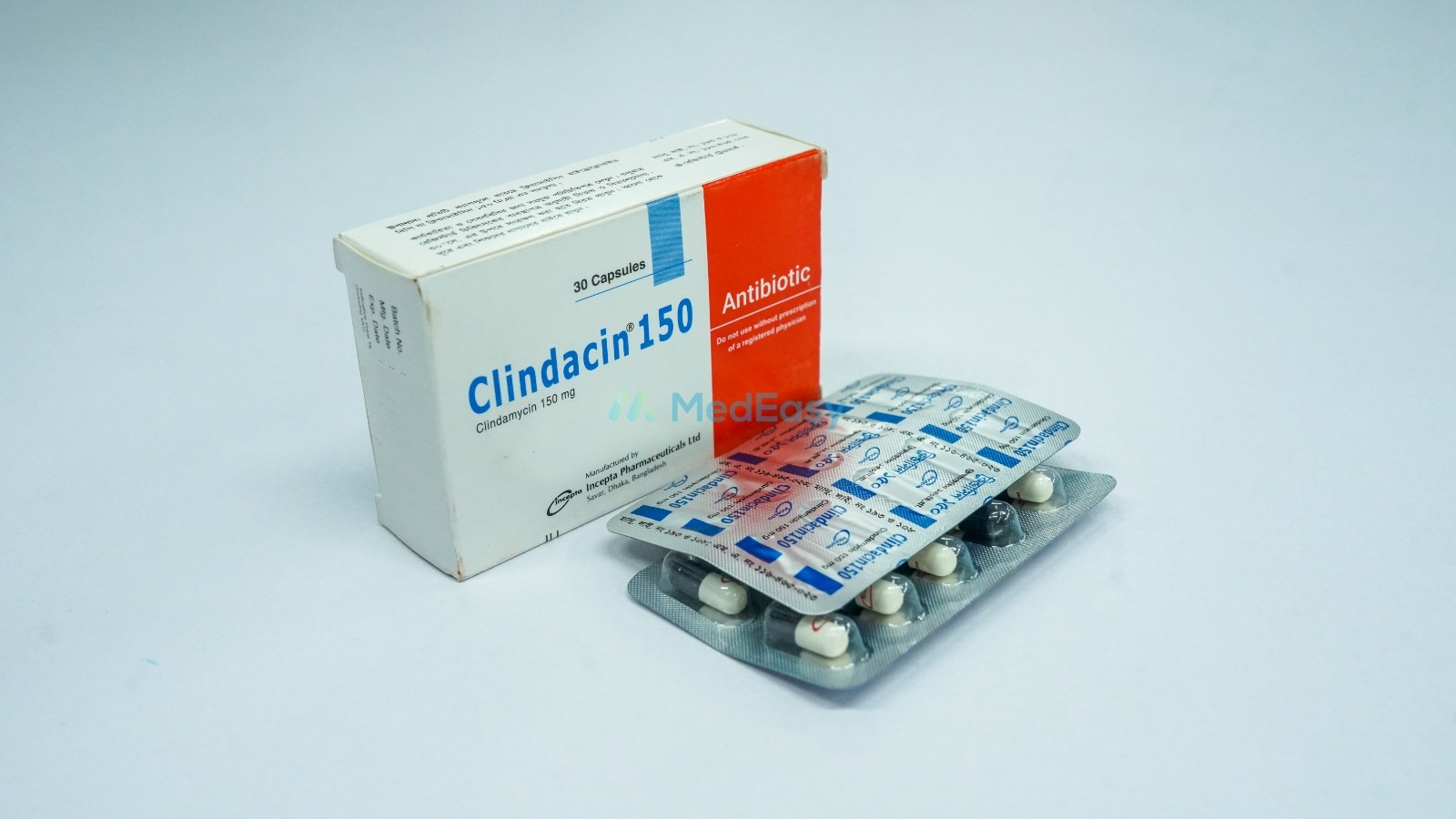
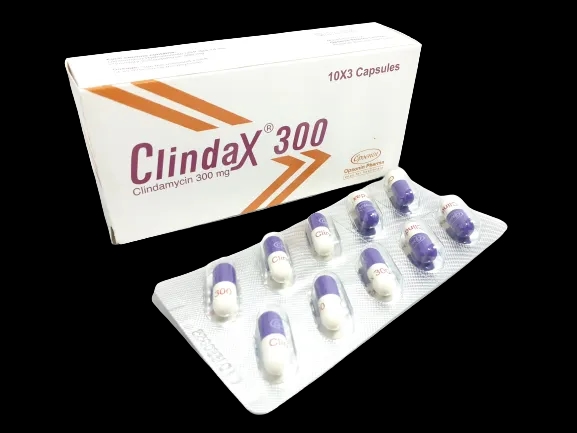
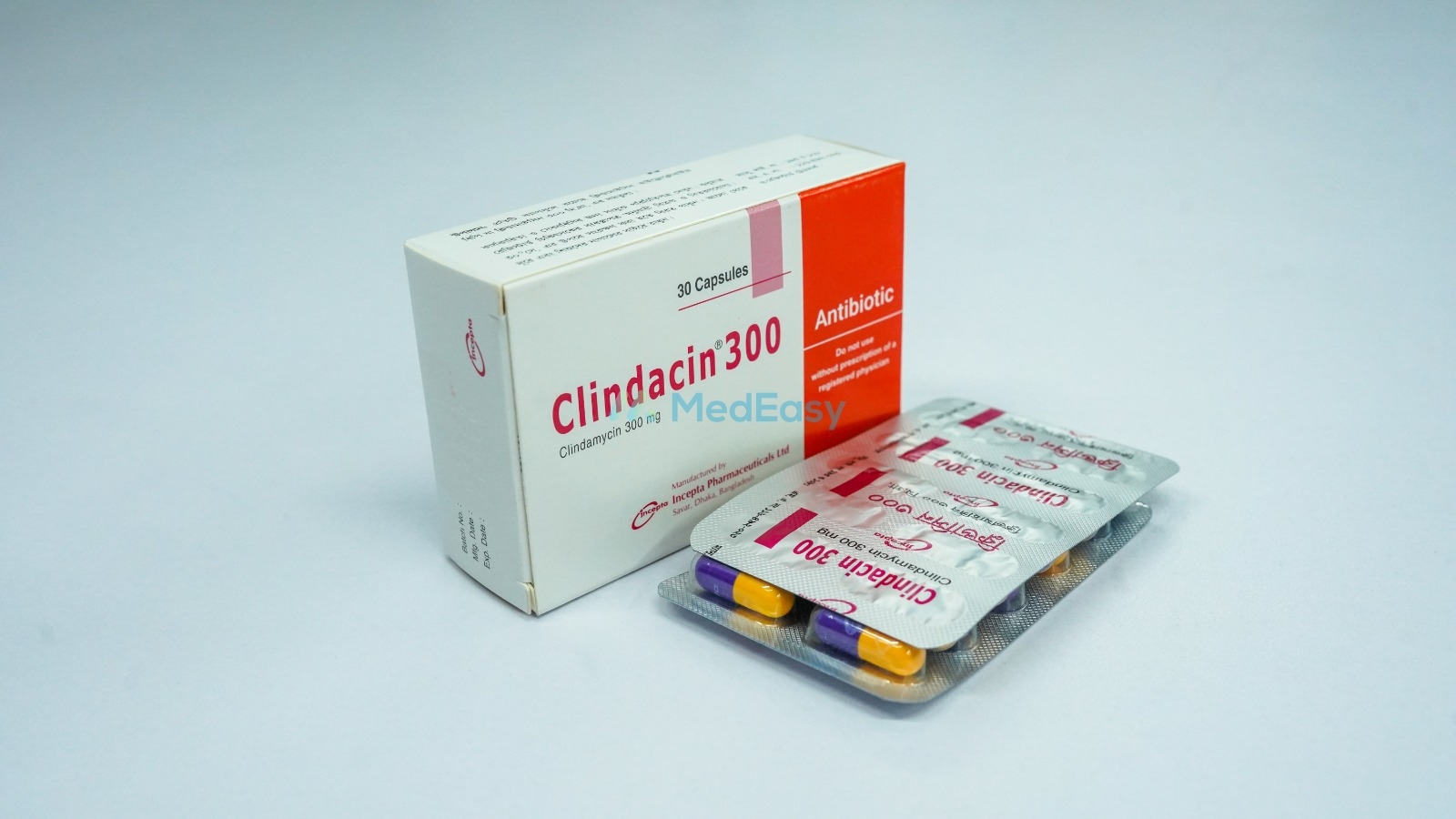
Clindacin300 mg
Incepta Pharmaceuticals Ltd.
৳165.60
Add to cart
Clindamycin is a lincosamide antibiotic used to treat infections caused by susceptible anaerobic bacteria and certain gram-positive organisms (streptococci, pneumococci and more.
Clindamycin is a lincosamide antibiotic used to treat infections caused by susceptible anaerobic bacteria and certain gram-positive organisms (streptococci, pneumococci, and susceptible staphylococci). Its use spans established, guideline-supported, and adjunctive indications:
Clindamycin is not reliably effective against most gram-negative aerobic bacteria and should not be used for central nervous system infections due to poor cerebrospinal fluid penetration.
| Indication | Adult dose | Pediatric dose (>1 month) |
|---|---|---|
| Serious infections (oral) | 150–300 mg every 6 hours | 8–16 mg/kg/day in 3–4 divided doses |
| More severe infections (oral) | 300–450 mg every 6 hours | 16–20 mg/kg/day in 3–4 divided doses |
| Serious infections (IV/IM) | 1,200–2,700 mg/day in 2–4 divided doses (up to 4,800 mg/day in life-threatening infections) | 20–40 mg/kg/day in 3–4 divided doses |
| Bacterial vaginosis (vaginal cream) | One applicator (100 mg) intravaginally at bedtime for 3–7 days | Not applicable |
| Acne vulgaris (topical gel/lotion/solution) | Apply a thin film to affected area once or twice daily | Generally used from adolescence onward per product labeling |
Oral capsules of Clindamycin should be taken with a full glass of water and may be taken with or without food; taking it with food can reduce stomach upset. Do not lie down immediately after taking a dose, to reduce the risk of esophageal irritation.
Antibiotic stewardship: Take Clindamycin exactly as prescribed by your physician; do not stop, extend, skip doses, or share this medicine with others without medical advice. Completing the full prescribed course helps prevent treatment failure and antibiotic resistance. Stop Clindamycin and seek prompt medical attention if watery or bloody diarrhea develops during or for up to two months after treatment.
See Use in Special Populations for hepatic/renal dose considerations.
| Frequency | Side effects |
|---|---|
| Common | Diarrhea, nausea, vomiting, abdominal pain/cramping, metallic taste (IV), skin rash, itching |
| Local (topical/vaginal) | Dryness, burning, redness, or irritation at the application site; vaginal itching or discharge |
| Less common but serious | Clostridioides difficile-associated diarrhea/colitis (see Precautions), esophageal irritation/ulceration, elevated liver enzymes, jaundice |
| Rare but serious | Severe hypersensitivity/anaphylaxis, severe cutaneous reactions (Stevens-Johnson syndrome, toxic epidermal necrolysis, DRESS syndrome), agranulocytosis, thrombocytopenia, acute kidney injury |
Report severe, persistent, or worsening diarrhea, rash, difficulty breathing, or signs of liver problems (yellowing of skin/eyes, dark urine) to a physician immediately.
Clindamycin is contraindicated in patients with known hypersensitivity to Clindamycin or lincomycin, or to any component of the formulation.
Disclaimer
The information provided is accurate to the best of our knowledge, but it does not replace professional medical advice. We cannot guarantee its completeness or accuracy, and the absence of specific information about a drug should not be taken as an endorsement. We are not responsible for any consequences arising from this information, so please consult a healthcare professional for any concerns or questions.