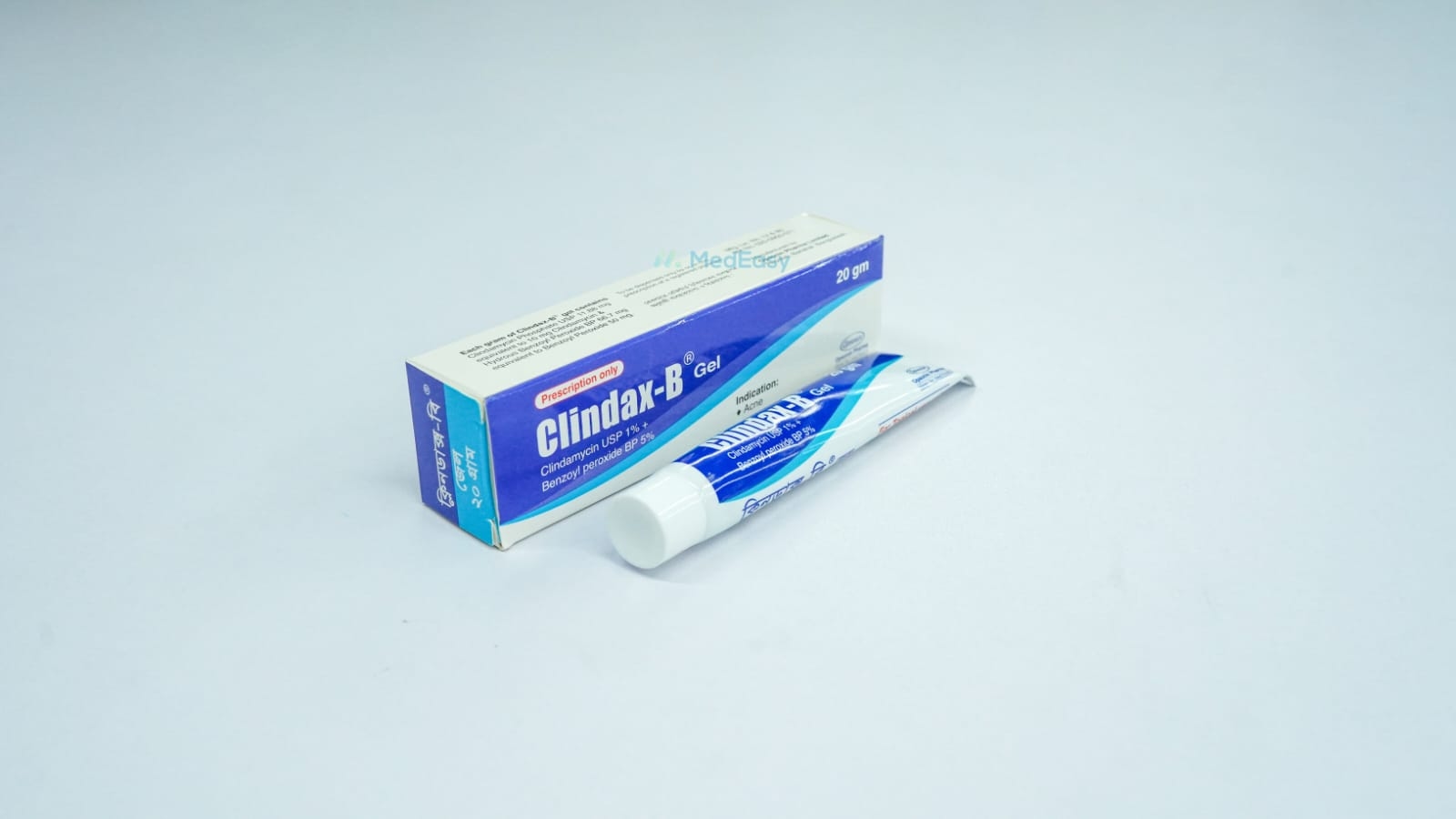
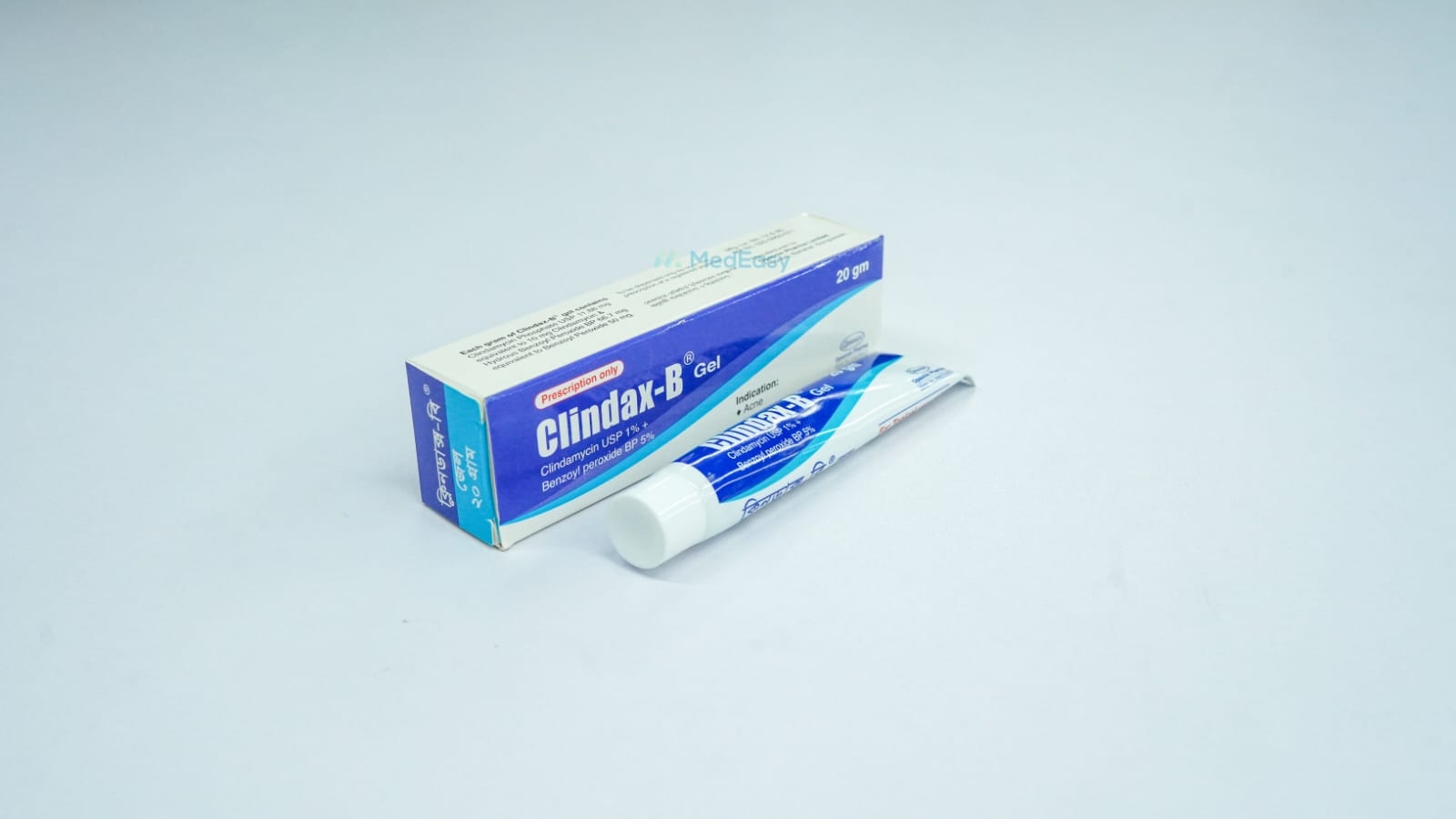
Generic medicine

Clindamycin + Benzoyl peroxide: Brands, Price & Uses in Bangladesh

Clindamycin + Benzoyl Peroxide is a fixed-dose topical combination product indicated for the treatment of acne vulgaris in patients who require combined antibacterial and keratolytic therapy.

Forms:GelTopical Gel

About Clindamycin + Benzoyl peroxide

Indications of Clindamycin + Benzoyl peroxide

Clindamycin + Benzoyl Peroxide is a fixed-dose topical combination product indicated for the treatment of acne vulgaris in patients who require combined antibacterial and keratolytic therapy.

  • Established/FDA-approved use: Topical treatment of mild to moderate inflammatory acne vulgaris in patients generally 12 years of age and older.
  • Guideline-supported use: Dermatology treatment guidelines (e.g., American Academy of Dermatology) recommend combining a topical antibiotic with benzoyl peroxide, rather than using a topical antibiotic alone, specifically to reduce the emergence of antibiotic-resistant Cutibacterium (Propionibacterium) acnes.
  • Adjunct use: May be used as part of a broader acne regimen together with a topical retinoid, particularly for patients with mixed inflammatory and comedonal lesions.
  • Off-label use: Occasionally used off-label for mild acne on the trunk (chest/back) or for acne-related folliculitis, though it is formally labeled for facial use.

Clindamycin + Benzoyl Peroxide is not indicated for non-acne skin conditions such as rosacea, perioral dermatitis, or fungal folliculitis.

Dosage & Administration of Clindamycin + Benzoyl peroxide

How to use Clindamycin + Benzoyl Peroxide

  1. Gently wash the affected area with a mild, non-medicated cleanser and pat dry.
  2. Apply a thin (pea-sized to fingertip-unit, depending on area) layer of Clindamycin + Benzoyl Peroxide once daily (evening) or twice daily as directed by the prescribing physician, to the entire affected area — not just individual spots.
  3. Wait for the gel to dry before applying any other topical product, cosmetic, or sunscreen.
  4. Wash hands after application.
  5. Avoid contact with eyes, lips, mouth, other mucous membranes, and broken or sunburned skin.
IndicationTypical adult/adolescent doseNotes
Acne vulgaris (face, ≥12 years)Apply thin layer to affected area once or twice daily, per product labeling and physician instructionResponse is usually assessed over 8–12 weeks

Antibiotic stewardship: Take/use exactly as prescribed by your physician; do not stop, extend, skip applications, or share this medicine with others without medical advice, as inappropriate use of the clindamycin component contributes to antibiotic resistance.

Side Effects of Clindamycin + Benzoyl peroxide

Most adverse effects of Clindamycin + Benzoyl Peroxide are local skin reactions related mainly to the benzoyl peroxide component:

  • Very common: Dry skin, mild burning/stinging on application.
  • Common: Application-site erythema (redness), peeling/scaling, pruritus (itching), skin irritation.
  • Less common: Sunburn-like reaction, application-site reaction, contact dermatitis.
  • Rare but serious: Severe allergic reactions (swelling of face/lips/throat, difficulty breathing, hives) requiring emergency care; severe diarrhea or abdominal cramping suggestive of C. difficile-associated colitis (see Contraindications) — discontinue and seek medical attention if this occurs.

Local irritation is usually most pronounced in the first 1–2 weeks of treatment and often improves with continued, consistent use.

Contraindications of Clindamycin + Benzoyl peroxide

Clindamycin + Benzoyl Peroxide is contraindicated in patients with:

  • Known hypersensitivity to clindamycin, lincomycin, benzoyl peroxide, or any other component of the formulation.
  • A history of regional enteritis (Crohn's disease), ulcerative colitis, or antibiotic-associated colitis (including prior pseudomembranous colitis), since clindamycin — even applied topically — has been associated with Clostridioides difficile-associated diarrhea and colitis.

Frequently Asked Questions about Clindamycin + Benzoyl peroxide

What is Clindamycin + Benzoyl Peroxide used for?

Clindamycin + Benzoyl Peroxide is a topical combination gel used to treat mild to moderate inflammatory acne vulgaris, usually in patients 12 years of age and older, by combining an antibiotic with an antibacterial/keratolytic agent.

How long does it take Clindamycin + Benzoyl Peroxide to work?

Most patients notice initial improvement within 4–6 weeks, with fuller results typically assessed after 8–12 weeks of consistent daily use. Acne treatment generally requires patience and continued application even if improvement seems slow.

Can I use Clindamycin + Benzoyl Peroxide during pregnancy?

There are no adequate, well-controlled studies of Clindamycin + Benzoyl Peroxide in pregnant women. Systemic absorption through the skin is low, but it should be used in pregnancy only if clearly needed and if the potential benefit justifies the potential risk to the fetus; always consult your physician before using it while pregnant.

Why does my skin feel dry or start peeling after starting Clindamycin + Benzoyl Peroxide?

Dryness, peeling, and mild irritation are the most common side effects of Clindamycin + Benzoyl Peroxide, caused mainly by its benzoyl peroxide component, and are usually most noticeable in the first 1–2 weeks. This typically improves with continued use; a non-comedogenic moisturizer and sunscreen can help manage it. If irritation is severe or persistent, consult your physician.

Will Clindamycin + Benzoyl Peroxide bleach my clothes, towels, or hair?

Yes, the benzoyl peroxide component of Clindamycin + Benzoyl Peroxide can bleach hair, clothing, towels, bedding, and other colored fabrics on contact. Allow the gel to dry fully before contact with fabric, and use white towels/pillowcases where possible.

What should I do if I get severe diarrhea while using Clindamycin + Benzoyl Peroxide?

Stop using Clindamycin + Benzoyl Peroxide and contact your physician promptly if you develop significant, persistent, or bloody diarrhea or abdominal cramping, as clindamycin (even applied topically) has rarely been associated with serious intestinal conditions such as antibiotic-associated colitis. Do not use Clindamycin + Benzoyl Peroxide at all if you have a history of ulcerative colitis, Crohn's disease, or prior antibiotic-associated colitis.

Disclaimer

The information provided is accurate to the best of our knowledge, but it does not replace professional medical advice. We cannot guarantee its completeness or accuracy, and the absence of specific information about a drug should not be taken as an endorsement. We are not responsible for any consequences arising from this information, so please consult a healthcare professional for any concerns or questions.

DoctorBlogArticles