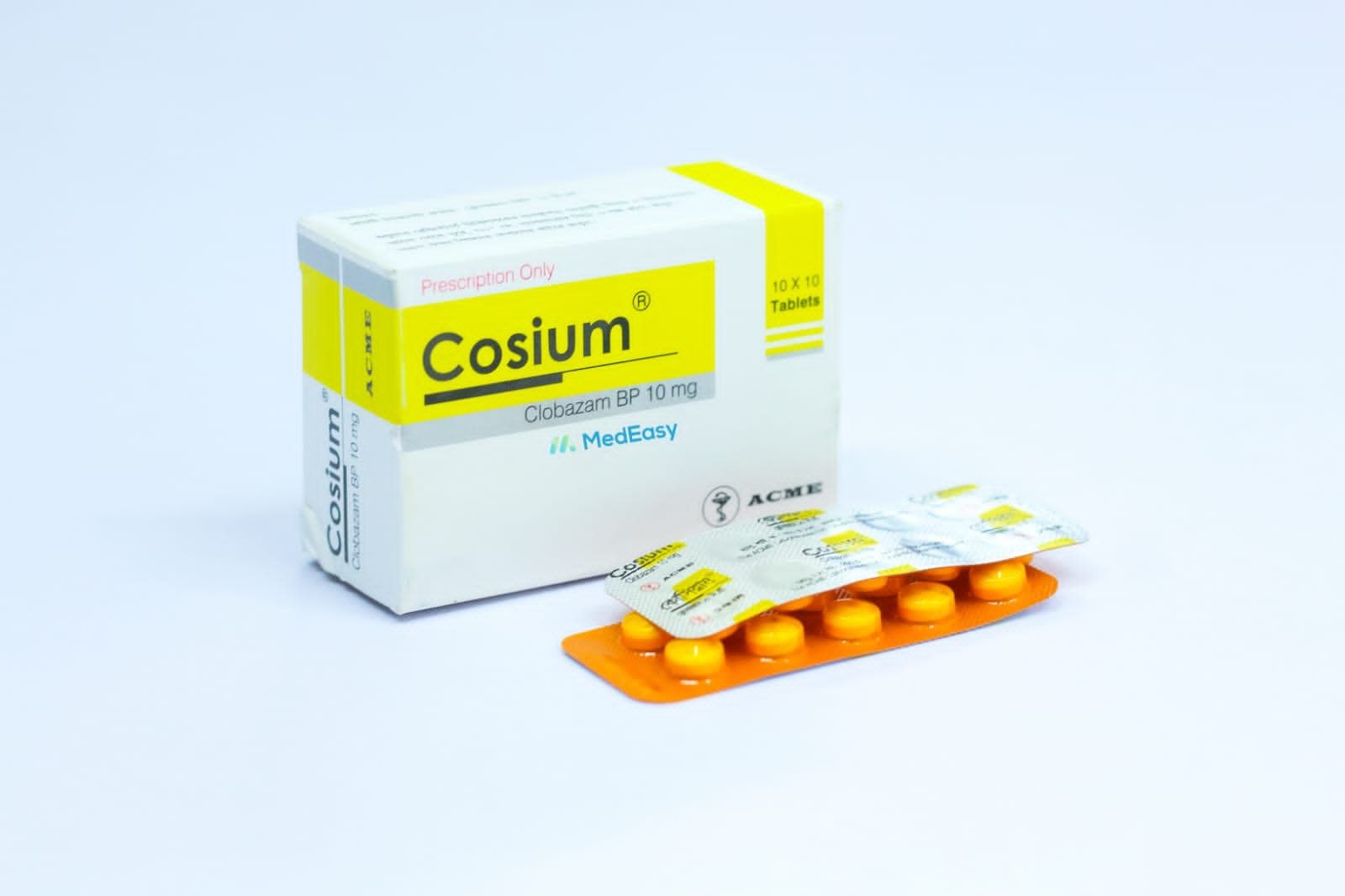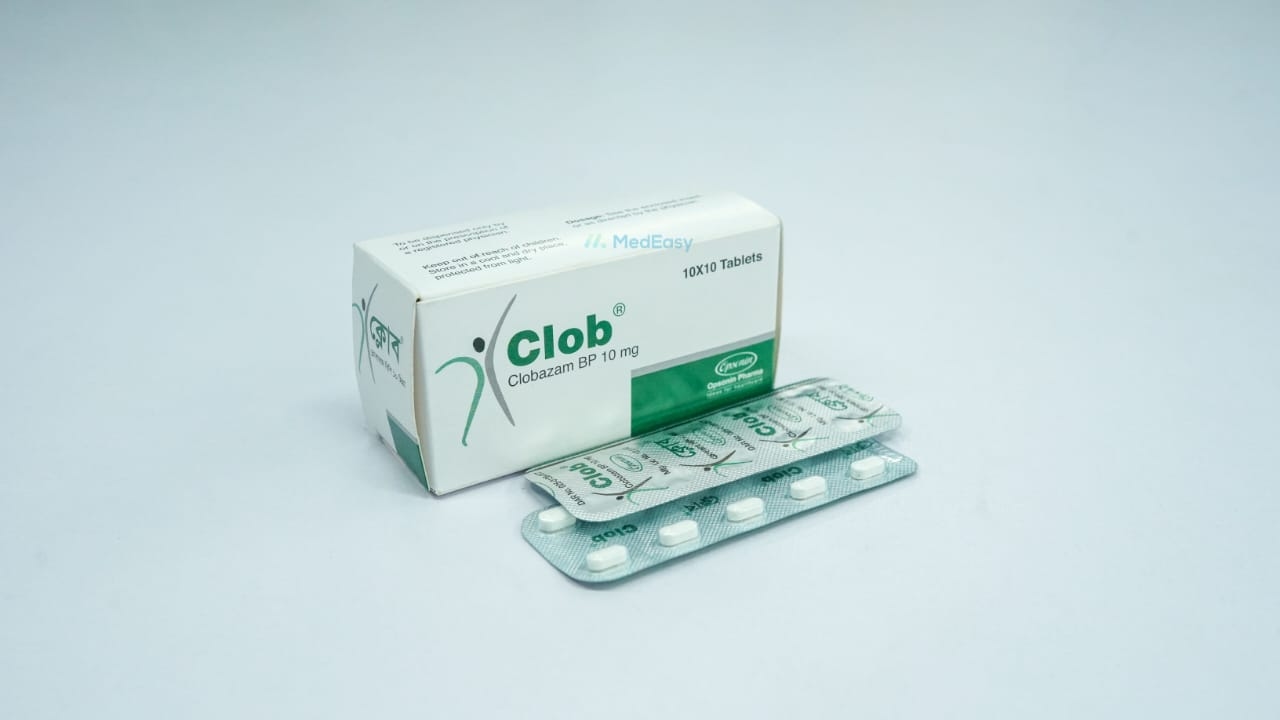
10% Off
Clob10 mg
Opsonin Pharma Ltd.
৳34.65
Add to cart
Clobazam is a benzodiazepine anticonvulsant used in the management of seizure disorders and, in some markets, anxiety.
Clobazam is a benzodiazepine anticonvulsant used in the management of seizure disorders and, in some markets, anxiety. Its indications are classified below by strength of evidence.
The exact approved indications, dosage forms and prescribing status of Clobazam can vary by country; a physician should confirm the appropriate use for an individual patient.
Clobazam dosing must always be individualised by a physician and titrated gradually. Below is a general summary; the prescriber's instructions should always take precedence.
| Population | Starting Dose | Titration | Usual Maintenance / Maximum Dose |
|---|---|---|---|
| Adults and children >30 kg | 10 mg/day (in 1-2 divided doses) | Increase by 10 mg/day at weekly intervals as tolerated | Up to 40 mg/day |
| Children 2 years and older, ≤30 kg | 5 mg/day | Increase by 5 mg/day at weekly intervals as tolerated | Up to 20 mg/day |
| Elderly patients | 5 mg/day | Titrate more slowly | Generally half of standard adult doses above, unless well tolerated |
Total daily doses above 5 mg are usually given in two divided doses per day. Doses may be titrated further only under continued physician supervision.
Where Clobazam is licensed for anxiety, a typical adult starting dose is low (e.g., 10-20 mg/day in divided doses), for the shortest duration necessary (generally no more than 2-4 weeks including tapering), based on physician assessment.
Clobazam must never be stopped abruptly after regular use; the physician will taper the dose gradually (e.g., reducing the total daily dose by roughly 5-10 mg per week) to reduce the risk of withdrawal symptoms and, in patients with epilepsy, rebound seizures (see Precautions and Warnings).
As with all benzodiazepines, side effects of Clobazam are generally dose-related and most prominent when starting treatment or after a dose increase.
Patients should seek prompt medical attention for any rash, unexplained fever, blistering/peeling skin, difficulty breathing, or thoughts of self-harm while taking Clobazam.
Clobazam is contraindicated in patients with a known history of hypersensitivity to Clobazam or to any component of the formulation.
Disclaimer
The information provided is accurate to the best of our knowledge, but it does not replace professional medical advice. We cannot guarantee its completeness or accuracy, and the absence of specific information about a drug should not be taken as an endorsement. We are not responsible for any consequences arising from this information, so please consult a healthcare professional for any concerns or questions.