Generic medicine

Clobetasol Propionate: Brands, Price & Uses in Bangladesh

Clobetasol Propionate is an ultra-high-potency (Class I) topical corticosteroid indicated for the short-term treatment of corticosteroid-responsive dermatoses.

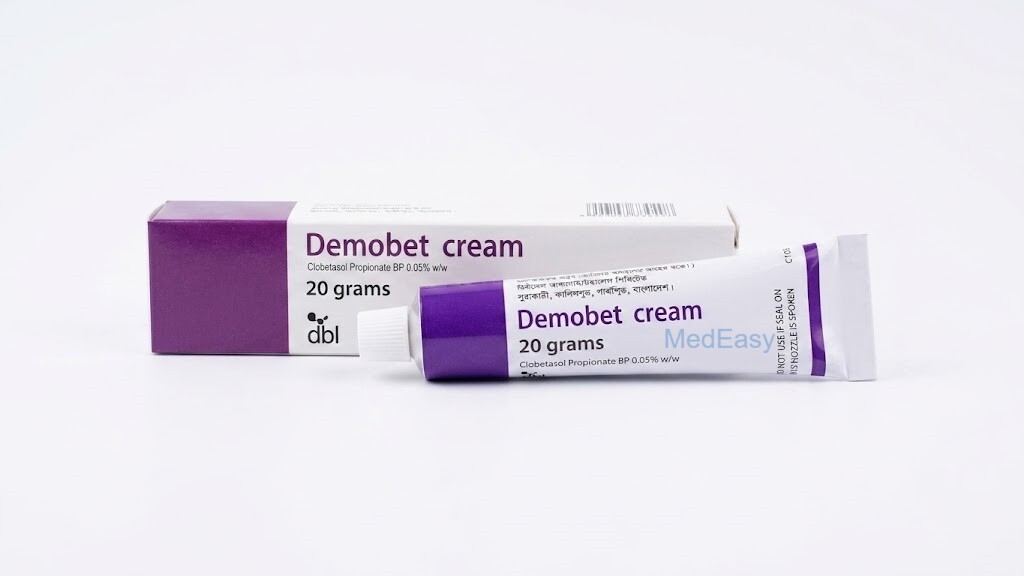
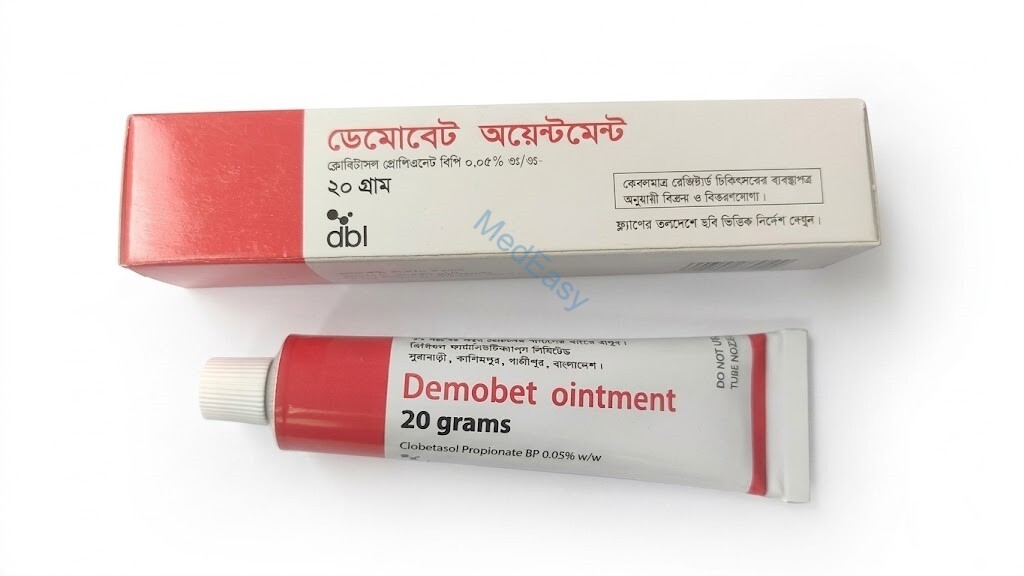
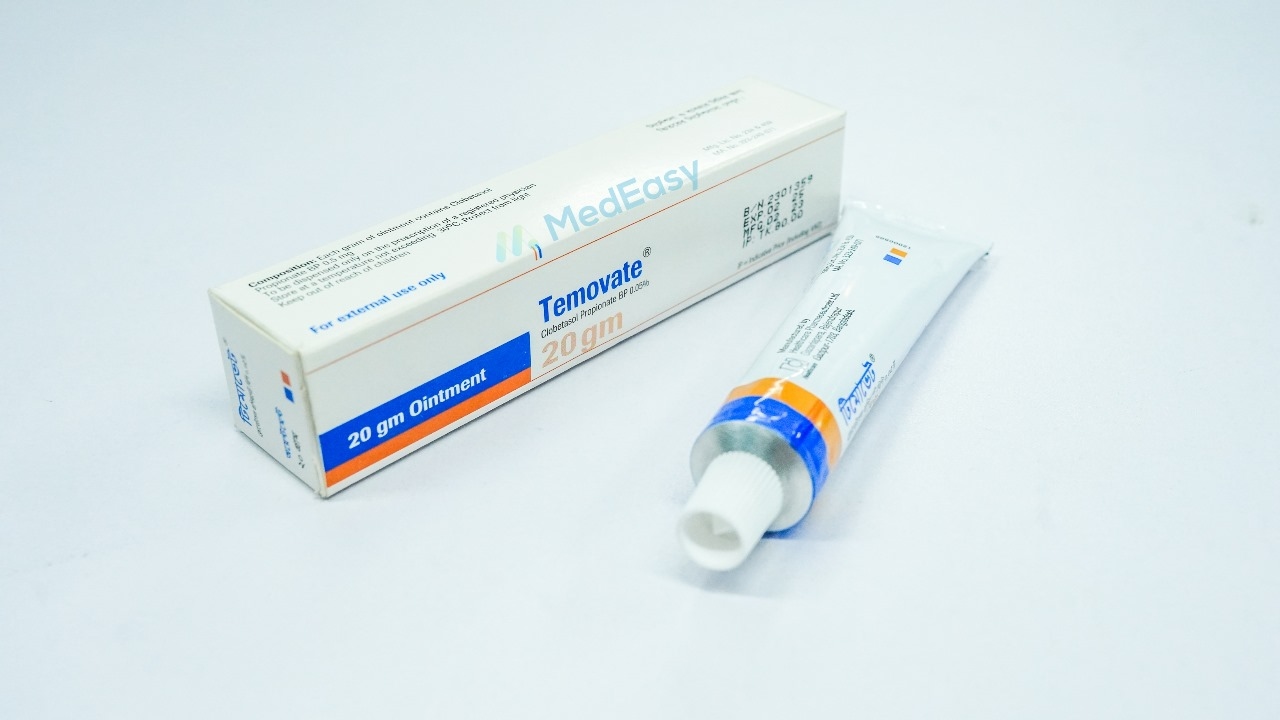
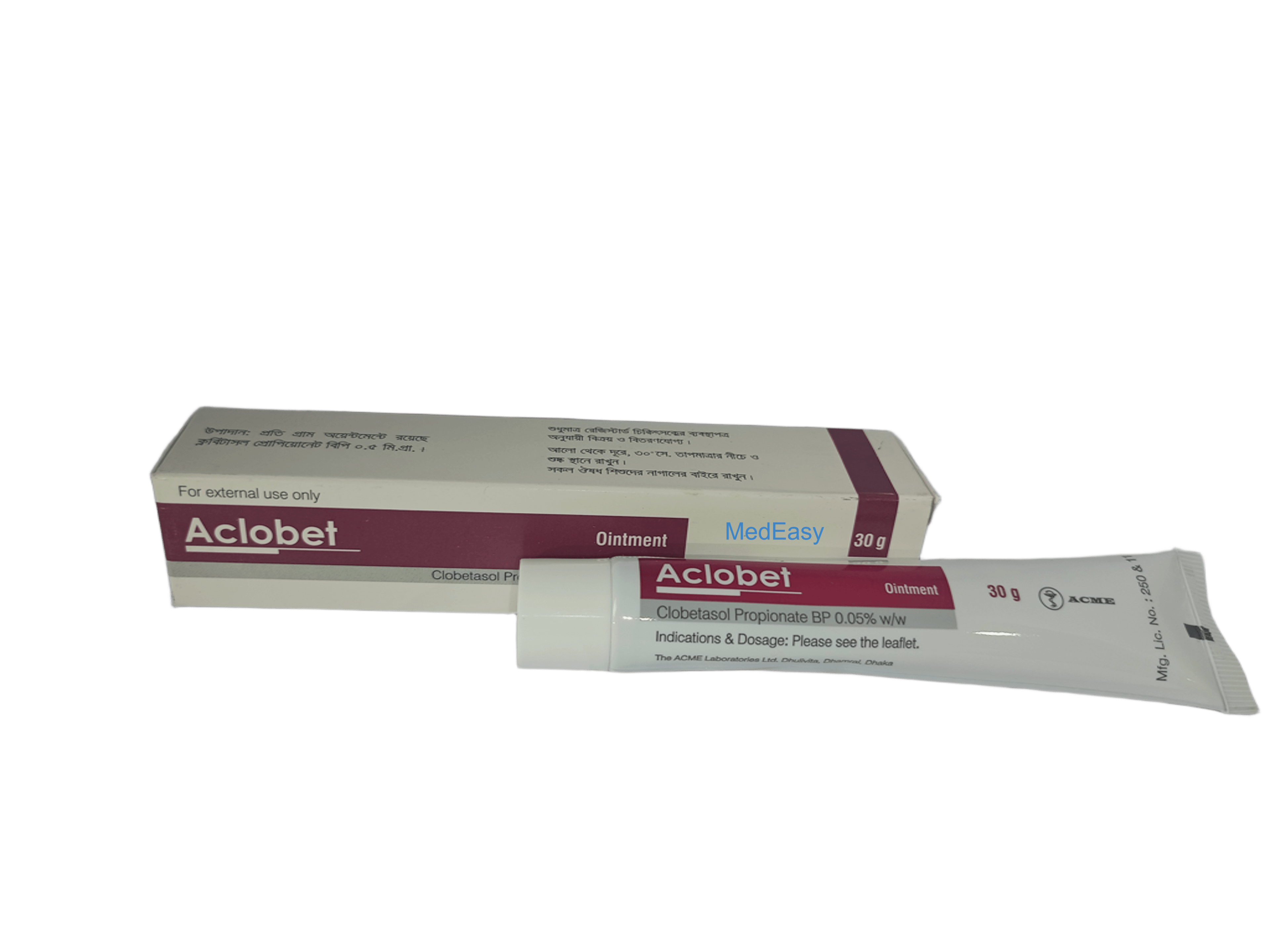
Forms:OintmentCreamTopical Spray

About Clobetasol Propionate

Indications of Clobetasol Propionate

Clobetasol Propionate is an ultra-high-potency (Class I) topical corticosteroid indicated for the short-term treatment of corticosteroid-responsive dermatoses. Indications vary by evidence strength:

Established / Approved Uses

  • Short-term topical treatment of moderate to severe plaque psoriasis (excluding widespread plaque psoriasis), in patients not adequately responsive to less potent corticosteroids.
  • Short-term treatment of moderate to severe corticosteroid-responsive dermatoses such as severe eczema/atopic dermatitis, lichen planus, and discoid lupus erythematosus in patients unresponsive to weaker topical steroids.
  • Moderate to severe scalp psoriasis (using scalp-specific solution, shampoo, or spray formulations).

Off-Label / Commonly Used (not FDA-approved)

  • Alopecia areata (localized patches), often as adjunct or alternative therapy.
  • Vitiligo (localized lesions), typically as part of a broader treatment plan.
  • Lichen sclerosus (anogenital), used cautiously under specialist supervision.

Clobetasol Propionate is reserved for cases that have not responded to less potent topical corticosteroids and is not intended for long-term or first-line use.

Dosage & Administration of Clobetasol Propionate

Clobetasol Propionate is applied topically, and dosing varies by formulation and indication. Use the lowest effective amount for the shortest duration necessary.

IndicationAdult DoseNotes
Plaque psoriasis, severe eczema, lichen planus (body)Apply a thin layer to the affected area twice daily (morning and night)Rub in gently and completely; limit to 2 consecutive weeks per course
Scalp psoriasisApply a small amount of scalp solution/shampoo to affected areas twice dailyMassage into scalp; not for use under occlusion

Total weekly use of Clobetasol Propionate (cream/ointment) should not exceed 50 g, and treatment should generally not exceed 2 consecutive weeks without physician reassessment, due to the risk of hypothalamic-pituitary-adrenal (HPA) axis suppression. If no improvement is seen within 2 weeks, the diagnosis should be reassessed. Clobetasol Propionate should not be used with occlusive dressings unless specifically directed by a physician.

Side Effects of Clobetasol Propionate

Side effects of Clobetasol Propionate are usually local and related to the application site, though systemic effects can occur with extensive or prolonged use.

Common (local)

  • Burning, stinging, or itching at the application site
  • Skin dryness or irritation
  • Folliculitis or acneiform eruptions

Less Common

  • Skin atrophy, striae (stretch marks), and telangiectasia (visible small blood vessels) with prolonged use
  • Hypopigmentation of treated skin
  • Perioral dermatitis and allergic contact dermatitis
  • Secondary skin infection

Rare / Systemic (with extensive or prolonged use)

  • Hypothalamic-pituitary-adrenal (HPA) axis suppression
  • Cushingoid features, hyperglycemia, and glucosuria

Patients should contact a physician if irritation, worsening of the condition, or signs of infection develop during treatment with Clobetasol Propionate.

Contraindications of Clobetasol Propionate

Clobetasol Propionate is contraindicated in:

  • Patients with known hypersensitivity to Clobetasol Propionate or to any component of the formulation.
  • Application on skin areas with untreated bacterial, viral (including herpes simplex, varicella), fungal, or tuberculous infections at the site of application.

Frequently Asked Questions about Clobetasol Propionate

What is Clobetasol Propionate used for?

Clobetasol Propionate is an ultra-high-potency topical corticosteroid used for short-term treatment of moderate to severe psoriasis, severe eczema, lichen planus, and other corticosteroid-responsive skin conditions that have not responded to weaker steroids.

How long can I use Clobetasol Propionate?

Treatment with Clobetasol Propionate should generally be limited to 2 consecutive weeks, with total use not exceeding 50 g per week, to reduce the risk of skin thinning and hormonal side effects. If your condition does not improve, consult your physician rather than continuing use.

Can I use Clobetasol Propionate on my face?

Clobetasol Propionate should not be applied to the face, groin, or armpits for prolonged periods, as these areas absorb more of the medicine and are more prone to skin thinning. Use in these areas only if your physician specifically directs it.

Is Clobetasol Propionate safe during pregnancy or breastfeeding?

Clobetasol Propionate should be used during pregnancy only if clearly needed, as potential risks to the fetus cannot be ruled out with topical corticosteroids. While breastfeeding, avoid applying Clobetasol Propionate to the chest area to prevent the infant from ingesting it, and consult your physician before use.

Can children use Clobetasol Propionate?

Safety and efficacy of Clobetasol Propionate in children have not been well established, and children are more susceptible to hormonal (HPA-axis) side effects. It should only be used in children under a specialist's direct supervision, for the shortest possible time.

What should I do if I miss a dose or apply too much Clobetasol Propionate?

If you miss a dose, apply it as soon as you remember and continue as directed; do not apply extra to make up for a missed dose. If you or a child has accidentally ingested Clobetasol Propionate or shows signs of excessive absorption, seek immediate medical attention or contact a poison control center.

Disclaimer

The information provided is accurate to the best of our knowledge, but it does not replace professional medical advice. We cannot guarantee its completeness or accuracy, and the absence of specific information about a drug should not be taken as an endorsement. We are not responsible for any consequences arising from this information, so please consult a healthcare professional for any concerns or questions.
DoctorBlogArticles