8% Off
Afun1%
Square Pharmaceuticals PLC.
৳32.30
Add to cart
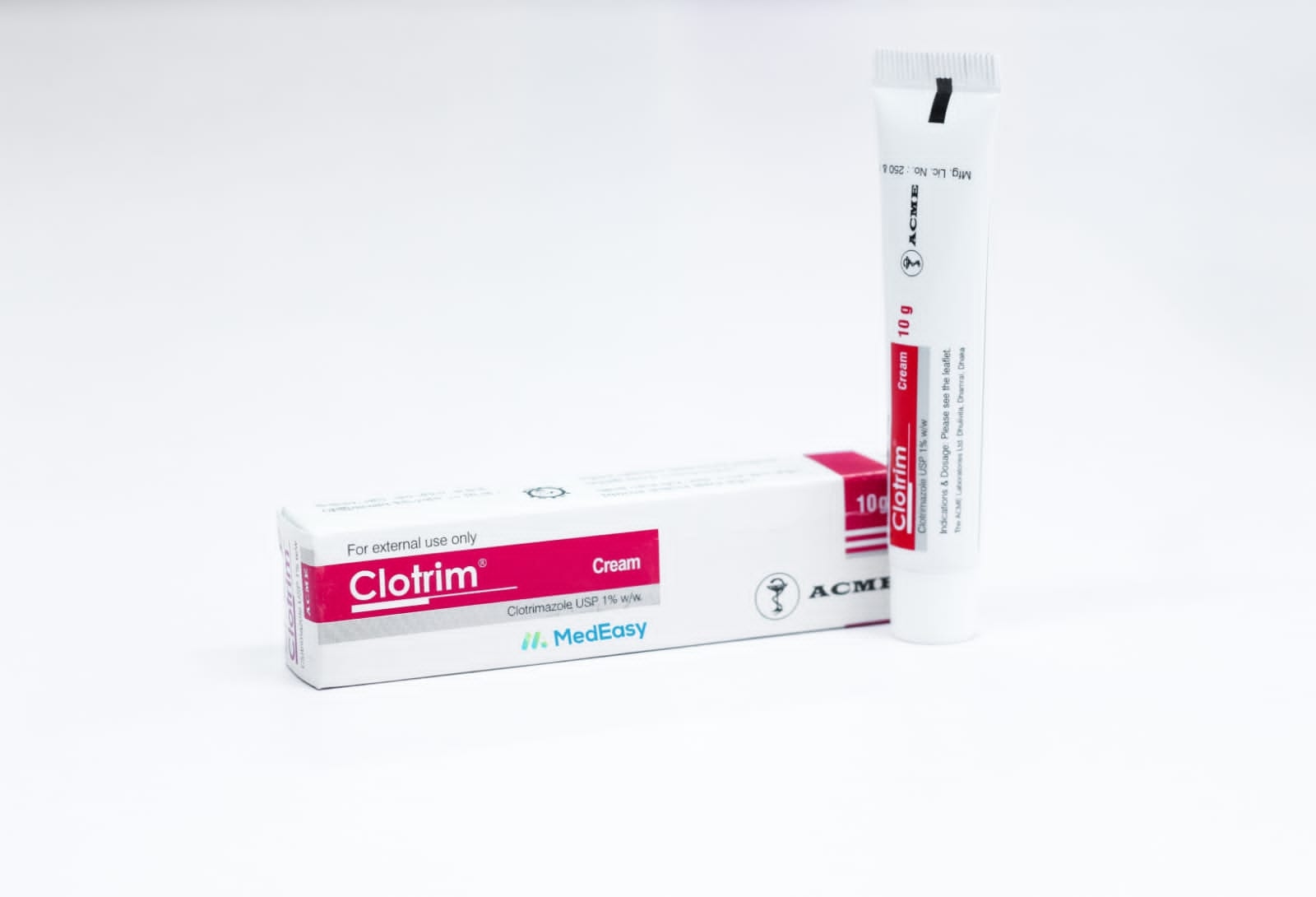
Topical (Skin) Fungal Infections Clotrimazole cream and topical solution are established treatments for dermatomycoses caused by dermatophytes, yeasts, and moulds and more.
Clotrimazole cream and topical solution are established treatments for dermatomycoses caused by dermatophytes, yeasts, and moulds, including athlete's foot (tinea pedis), jock itch (tinea cruris), ringworm (tinea corporis), skin-fold (cutaneous) candidiasis, pityriasis (tinea) versicolor, and erythrasma. Clotrimazole is applied only to the skin for these uses.
The vaginal tablet formulation of Clotrimazole is an established treatment for vaginal itching, burning, and discharge caused by vulvovaginal candidiasis (vaginal yeast infection) and vaginitis due to Candida species. This formulation is intended for adult and adolescent women and is not used in children.
The oral troche (lozenge) form of Clotrimazole, dissolved slowly in the mouth, is an established treatment for oropharyngeal candidiasis (oral thrush) confirmed by laboratory testing, and is also used as prophylaxis against oral candidiasis in immunocompromised patients (for example, during chemotherapy, radiotherapy, or high-dose steroid therapy). Availability of this formulation may be limited in the local market; confirm with a pharmacist.
Clotrimazole ear drops are used for fungal infections of the outer ear (otomycosis) caused by susceptible fungi and yeasts, as an adjunct to appropriate ear care.
Clotrimazole eye ointment is used, under ophthalmologist supervision only, for fungal keratitis caused by filamentous fungi and Candida species. This is a specialist-directed use and Clotrimazole eye ointment should never be self-administered without an eye examination and diagnosis.
The dose, strength, and duration of Clotrimazole treatment are not the same for every formulation — a skin cream, vaginal tablet, ear drop, eye ointment, and oral troche each follow a different regimen. A doctor or pharmacist should confirm the correct formulation, strength, and duration for the specific infection being treated before Clotrimazole is used.
Local application-site reactions are the most frequently reported effects and vary somewhat by formulation: mild burning, stinging, itching, redness, or irritation at the site of application (skin, vagina, ear canal, or eye, as applicable); with the oral troche, an unpleasant taste or mouth sensation, nausea, or vomiting may occur.
Stop Clotrimazole and seek medical attention if signs of an allergic reaction occur, such as hives, rash, itching all over, swelling of the face/lips/tongue/throat, or difficulty breathing. With the oral troche specifically, elevated liver enzymes have been reported in some patients during treatment, so a doctor may periodically check liver function during extended courses. Severe blistering, peeling, or worsening irritation at the application site should also be reported to a doctor.
Clotrimazole is contraindicated in individuals with known hypersensitivity to Clotrimazole or to any other component of the specific product formulation.
Disclaimer
The information provided is accurate to the best of our knowledge, but it does not replace professional medical advice. We cannot guarantee its completeness or accuracy, and the absence of specific information about a drug should not be taken as an endorsement. We are not responsible for any consequences arising from this information, so please consult a healthcare professional for any concerns or questions.