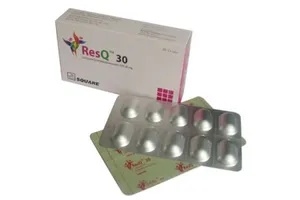
Generic medicine

Coenzyme Q10 [Ubidecarenone]: Brands, Price & Uses in Bangladesh

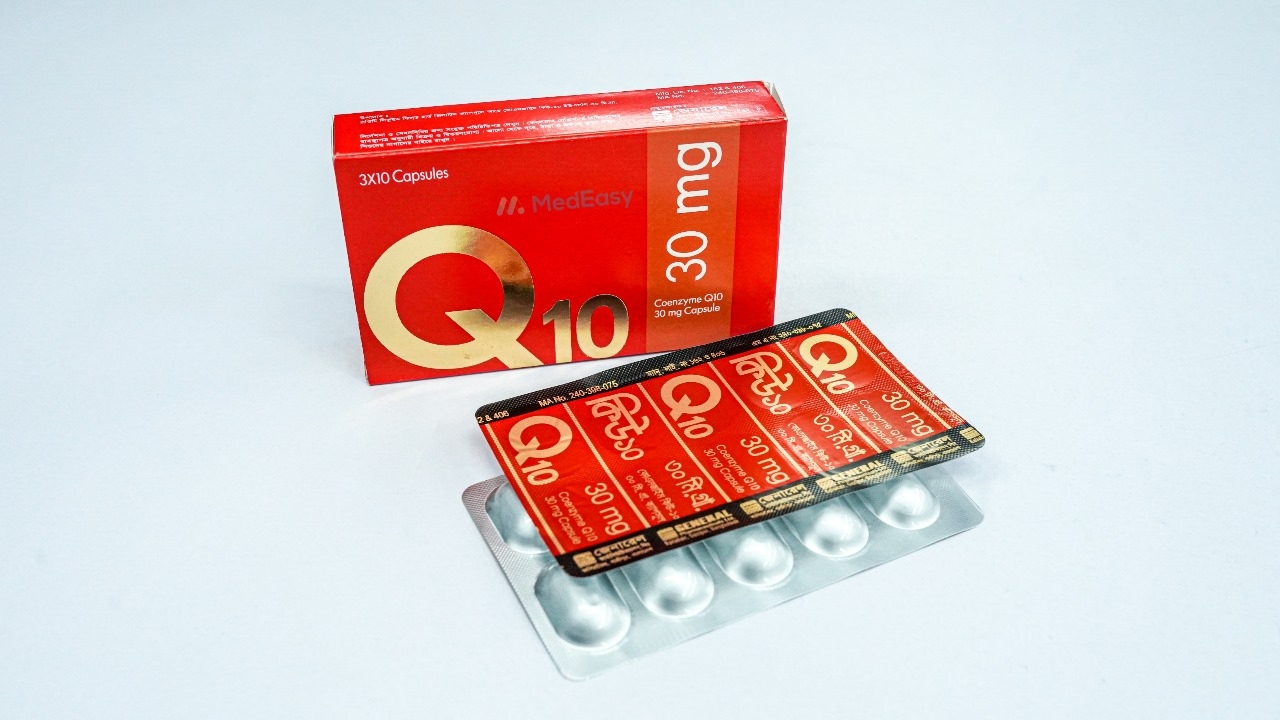
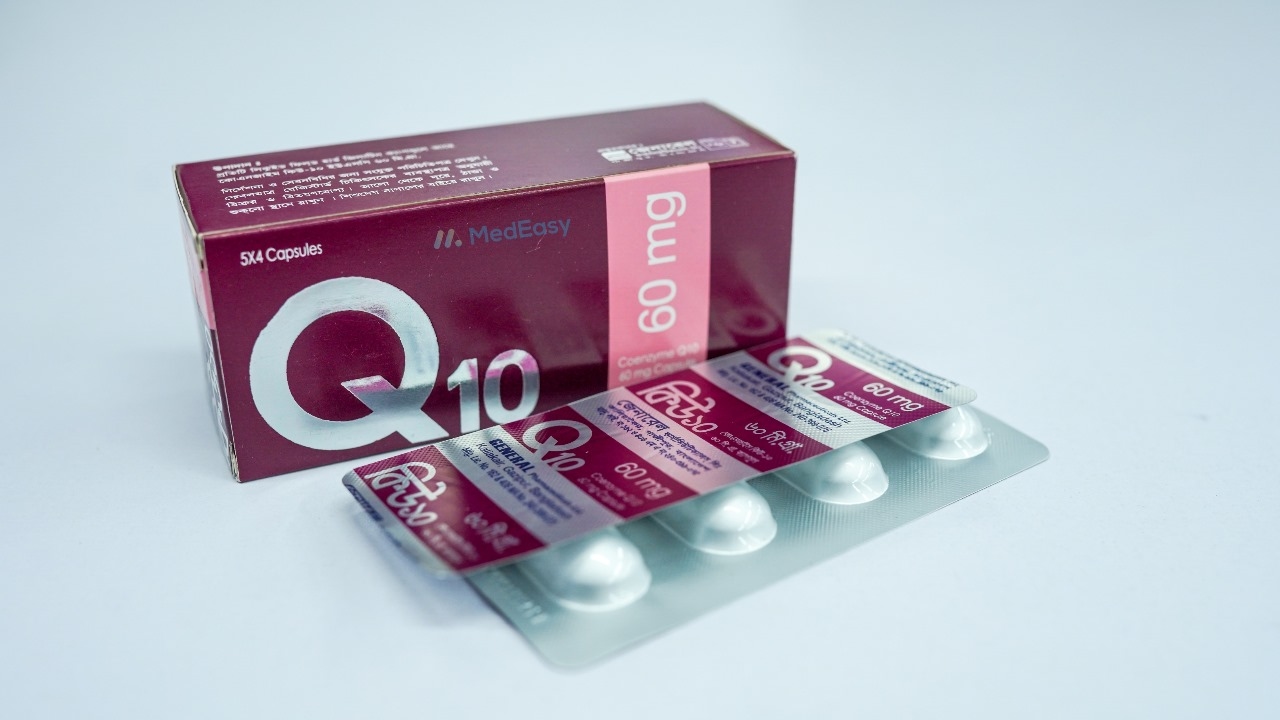
Coenzyme Q10 [Ubidecarenone] (ubiquinone/ubidecarenone) is a naturally occurring, fat-soluble compound that functions as a cofactor in mitochondrial energy (ATP) production and as an antioxidant.

Forms:Capsule

About Coenzyme Q10 [Ubidecarenone]

Indications of Coenzyme Q10 [Ubidecarenone]

Coenzyme Q10 [Ubidecarenone] (ubiquinone/ubidecarenone) is a naturally occurring, fat-soluble compound that functions as a cofactor in mitochondrial energy (ATP) production and as an antioxidant. It is sold as a dietary/nutraceutical supplement rather than as an FDA-approved prescription drug for most uses, so the evidence supporting each use varies in strength.

Established / well-supported use

  • Primary CoQ10 deficiency (rare inherited mitochondrial disorders) — supplementation with Coenzyme Q10 [Ubidecarenone] is an accepted, guideline-supported adjunct therapy in this specific setting.

Guideline- or evidence-supported adjunct uses

  • Statin-associated muscle symptoms — Coenzyme Q10 [Ubidecarenone] is commonly used as an adjunct to help reduce statin-related myopathy symptoms, based on the theory that statins lower endogenous CoQ10; evidence is mixed but it is widely used in clinical practice for this purpose.
  • Chronic heart failure — Coenzyme Q10 [Ubidecarenone] may be used as an add-on to standard guideline-directed heart failure therapy (not a replacement), supported by some randomized trial data (e.g., the Q-SYMBIO trial) showing improved symptoms and reduced major cardiac events when added to conventional treatment.
  • Migraine prophylaxis — Coenzyme Q10 [Ubidecarenone] is used as an adjunct preventive option for migraine, with Level C (possibly effective) evidence per neurology society guidance.

Adjunct uses with limited/mixed evidence

  • Essential hypertension — as an add-on to standard antihypertensive therapy, not as monotherapy.
  • Idiopathic male infertility — as an adjunct to improve sperm parameters.
  • Periodontal disease — as an adjunct to standard periodontal treatment.

Off-label / investigational uses (not proven effective)

  • Parkinson's disease and other neurodegenerative conditions — studied at high doses, but large controlled trials have not shown clear clinical benefit; not a standard-of-care treatment.

Coenzyme Q10 [Ubidecarenone] should always be used in combination with, not as a substitute for, standard medical therapy prescribed by a physician for any serious condition.

Dosage & Administration of Coenzyme Q10 [Ubidecarenone]

Dosing of Coenzyme Q10 [Ubidecarenone] varies by indication and product formulation. Typical adult ranges used in clinical studies are summarized below; patients should follow the specific product label or their physician's advice, as bioavailability differs between formulations (softgel/oil-based products are generally better absorbed than dry powder tablets).

IndicationTypical adult dose
General supplementation / mild deficiency30–100 mg once daily
Statin-associated muscle symptoms (adjunct)100–200 mg daily, in divided doses
Chronic heart failure (adjunct to standard therapy)100 mg three times daily (approx. 300 mg/day), or per treating cardiologist
Migraine prophylaxis (adjunct)100 mg three times daily (approx. 300 mg/day)
Hypertension (adjunct)100–200 mg daily, in divided doses
Male infertility (adjunct)200–300 mg daily

Administration: Take Coenzyme Q10 [Ubidecarenone] by mouth with food, preferably a meal containing some fat, to improve absorption. If the total daily dose exceeds 100 mg, splitting it into two or three doses through the day may improve absorption and tolerability compared with a single large dose. Avoid taking a dose late at night, as it may cause insomnia in some individuals. Do not exceed the dose recommended by a physician or the product label.

Side Effects of Coenzyme Q10 [Ubidecarenone]

Coenzyme Q10 [Ubidecarenone] is generally well tolerated. Most reported side effects are mild and gastrointestinal in nature.

  • Common: upset stomach, nausea, loss of appetite, diarrhea, heartburn
  • Less common: headache, dizziness, mild insomnia (especially if taken late in the day), skin rash or itching, irritability
  • Uncommon but notable: mild lowering of blood pressure (see Interactions for combination with antihypertensives)
  • Rare: allergic hypersensitivity reactions (rash, hives, swelling, difficulty breathing) — discontinue and seek medical attention immediately if these occur

Contraindications of Coenzyme Q10 [Ubidecarenone]

Coenzyme Q10 [Ubidecarenone] is contraindicated in patients with known hypersensitivity to ubidecarenone/Coenzyme Q10 or to any excipient in the specific product formulation.

Frequently Asked Questions about Coenzyme Q10 [Ubidecarenone]

What is Coenzyme Q10 [Ubidecarenone] used for?

Coenzyme Q10 [Ubidecarenone] is a dietary supplement used mainly as an adjunct — alongside standard medical treatment, not in place of it — for conditions such as statin-associated muscle symptoms, chronic heart failure, migraine prevention, and, in rare inherited cases, primary Coenzyme Q10 deficiency. It is also used off-label for hypertension, male infertility, and periodontal disease support.

Can I take Coenzyme Q10 [Ubidecarenone] with warfarin?

Caution is needed. Coenzyme Q10 [Ubidecarenone] has a chemical structure similar to vitamin K and can reduce the effectiveness of warfarin, lowering the INR and increasing clot risk. If you are on warfarin, only start Coenzyme Q10 [Ubidecarenone] under your physician's supervision with more frequent INR monitoring.

Is Coenzyme Q10 [Ubidecarenone] safe during pregnancy or breastfeeding?

Safety data are limited. Coenzyme Q10 [Ubidecarenone] should be used during pregnancy or breastfeeding only if clearly needed and recommended by a physician, who will weigh the potential benefit against any unknown risk to the baby.

What are the common side effects of Coenzyme Q10 [Ubidecarenone]?

Coenzyme Q10 [Ubidecarenone] is generally well tolerated. The most common side effects are mild gastrointestinal symptoms such as nausea, upset stomach, loss of appetite, and diarrhea. Less commonly, headache, dizziness, insomnia, or mild skin rash may occur.

How should I take Coenzyme Q10 [Ubidecarenone] for best absorption?

Coenzyme Q10 [Ubidecarenone] is fat-soluble, so it should be taken with a meal containing some fat to improve absorption. If your daily dose is above 100 mg, your doctor may recommend splitting it into two or three smaller doses through the day.

What happens if I take too much Coenzyme Q10 [Ubidecarenone]?

Coenzyme Q10 [Ubidecarenone] has a wide margin of safety, but taking more than recommended may cause stomach upset or other side effects. If you experience severe symptoms such as significant dizziness, fainting, or an allergic reaction after taking Coenzyme Q10 [Ubidecarenone], seek immediate medical attention or contact emergency services/poison control.

Disclaimer

The information provided is accurate to the best of our knowledge, but it does not replace professional medical advice. We cannot guarantee its completeness or accuracy, and the absence of specific information about a drug should not be taken as an endorsement. We are not responsible for any consequences arising from this information, so please consult a healthcare professional for any concerns or questions.
DoctorBlogArticles