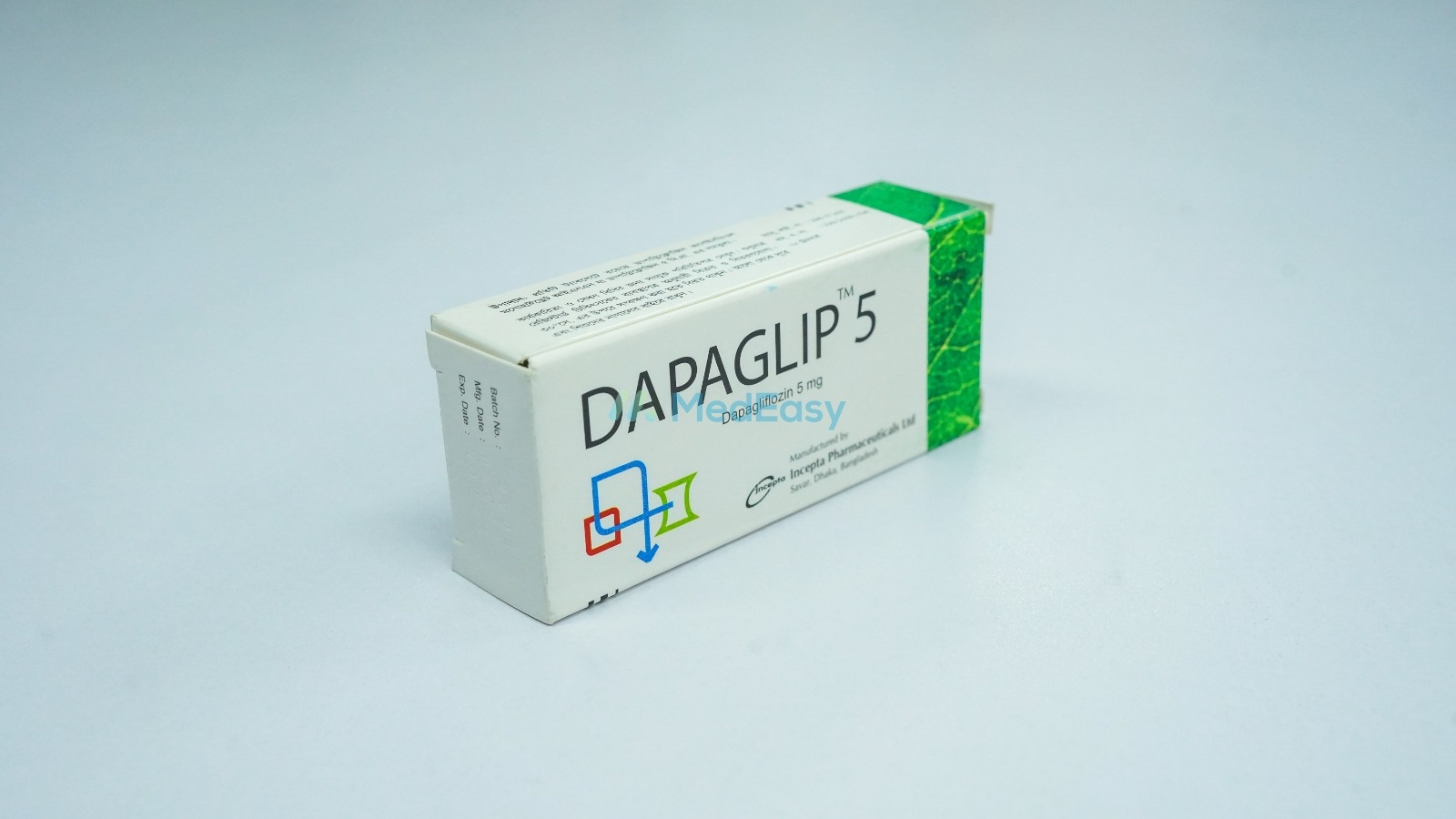
Generic medicine

Dapagliflozin Propanediol: Brands, Price & Uses in Bangladesh

Dapagliflozin Propanediol is a sodium-glucose cotransporter-2 (SGLT2) inhibitor approved for the following uses: Established / FDA-approved indications Type 2 diabetes mellitus: Dapagliflozin…

Forms:Tablet

About Dapagliflozin Propanediol

Indications of Dapagliflozin Propanediol

Dapagliflozin Propanediol is a sodium-glucose cotransporter-2 (SGLT2) inhibitor approved for the following uses:

Established / FDA-approved indications

  • Type 2 diabetes mellitus: Dapagliflozin Propanediol is indicated as an adjunct to diet and exercise to improve glycemic control in adults and children 10 years of age and older with type 2 diabetes mellitus.
  • Heart failure: Dapagliflozin Propanediol is indicated to reduce the risk of cardiovascular death, hospitalization for heart failure, and urgent heart failure visits in adults with heart failure, regardless of ejection fraction (both reduced and preserved ejection fraction) and regardless of diabetes status.
  • Chronic kidney disease (CKD): Dapagliflozin Propanediol is indicated to reduce the risk of sustained decline in eGFR, end-stage kidney disease, cardiovascular death, and hospitalization for heart failure in adults with chronic kidney disease at risk of progression.

Not indicated for

  • Treatment of type 1 diabetes mellitus.
  • Treatment of diabetic ketoacidosis.

Dapagliflozin Propanediol is always used as part of a comprehensive treatment plan that includes diet, exercise, and, where relevant, other glucose-, blood-pressure-, or lipid-lowering therapies as advised by the treating physician.

Dosage & Administration of Dapagliflozin Propanediol

Dosing by indication

IndicationRecommended dose
Type 2 diabetes mellitus (glycemic control)5 mg once daily; may be increased to 10 mg once daily if additional glycemic control is needed and tolerated.
Heart failure10 mg once daily.
Chronic kidney disease10 mg once daily.
Children 10 years and older (type 2 diabetes)5 mg once daily; may be increased to 10 mg once daily if needed and tolerated.

Renal dose adjustment

eGFRAdjustment
≥45 mL/min/1.73m²No dose adjustment needed.
25–45 mL/min/1.73m²May continue at 10 mg once daily for heart failure/CKD indications; not recommended for initiation of the glycemic-control indication at this eGFR.
<25 mL/min/1.73m², dialysis, or end-stage renal diseaseInitiation not recommended; use only under close physician supervision if already established on therapy for heart failure/CKD, per current renal function.

Hepatic impairment

No dose adjustment is needed in mild-to-moderate hepatic impairment. Dapagliflozin Propanediol has not been well studied in severe hepatic impairment; use with caution.

Administration

Dapagliflozin Propanediol tablets should be swallowed whole with a glass of water, once daily in the morning, with or without food. If a dose is missed, it should be taken as soon as remembered on the same day; two doses should never be taken on the same day to make up for a missed dose. Always take Dapagliflozin Propanediol exactly as prescribed by the physician.

Side Effects of Dapagliflozin Propanediol

Common and serious side effects reported with Dapagliflozin Propanediol include:

Common side effects

  • Genital fungal (mycotic) infections in both men and women
  • Urinary tract infections
  • Increased urination and thirst
  • Nasopharyngitis (common cold-like symptoms)
  • Dizziness (related to volume depletion)
  • Back pain

Serious side effects (seek prompt medical attention)

  • Ketoacidosis, which can occur even with only mildly elevated or near-normal blood glucose levels ("euglycemic diabetic ketoacidosis") — see Precautions and Warnings.
  • Serious genital or perineal infections, including necrotizing fasciitis of the perineum (Fournier's gangrene) — see Precautions and Warnings.
  • Volume depletion leading to hypotension, dehydration, or acute kidney injury.
  • Urosepsis and pyelonephritis.
  • Hypoglycemia, particularly when used with insulin or sulfonylureas.

Contraindications of Dapagliflozin Propanediol

Dapagliflozin Propanediol is contraindicated in the following situations:

  • Known hypersensitivity to Dapagliflozin Propanediol or any component of the formulation, including history of serious hypersensitivity reactions such as anaphylaxis or angioedema.
  • Patients on dialysis or with end-stage renal disease.

Dapagliflozin Propanediol is not indicated for treatment of type 1 diabetes mellitus or diabetic ketoacidosis (see Precautions and Warnings for the associated ketoacidosis risk).

Frequently Asked Questions about Dapagliflozin Propanediol

What is Dapagliflozin Propanediol used for?

Dapagliflozin Propanediol is used to improve blood glucose control in type 2 diabetes mellitus, to reduce the risk of cardiovascular death and hospitalization in heart failure, and to slow the progression of chronic kidney disease, as prescribed by a physician.

How should I take Dapagliflozin Propanediol?

Dapagliflozin Propanediol is usually taken once daily by mouth, in the morning, with or without food. Swallow the tablet whole with water and take it exactly as prescribed by your physician; do not stop or change the dose without medical advice.

Can Dapagliflozin Propanediol cause low blood sugar?

Dapagliflozin Propanediol alone has a low risk of causing hypoglycemia, but the risk increases when it is combined with insulin or sulfonylurea medicines. Your physician may adjust the dose of those medicines to reduce this risk.

What are the warning signs I should watch for while taking Dapagliflozin Propanediol?

Seek urgent medical attention if you develop nausea, vomiting, abdominal pain, or unusual fatigue (possible signs of ketoacidosis), or pain, redness, swelling, or fever in the genital or perineal area (possible signs of a serious infection). Also report signs of dehydration or dizziness, especially on standing.

Can Dapagliflozin Propanediol be used during pregnancy or breastfeeding?

Dapagliflozin Propanediol is not recommended during pregnancy, especially in the second and third trimesters, and is not recommended during breastfeeding, because of potential risks to the baby's kidney development. Consult your physician for a safer alternative if you are pregnant, planning pregnancy, or breastfeeding.

Is Dapagliflozin Propanediol suitable for children?

Dapagliflozin Propanediol may be prescribed for children 10 years of age and older for type 2 diabetes mellitus, under close medical supervision. It has not been established as safe or effective in younger children.

Disclaimer

The information provided is accurate to the best of our knowledge, but it does not replace professional medical advice. We cannot guarantee its completeness or accuracy, and the absence of specific information about a drug should not be taken as an endorsement. We are not responsible for any consequences arising from this information, so please consult a healthcare professional for any concerns or questions.

DoctorBlogArticles
