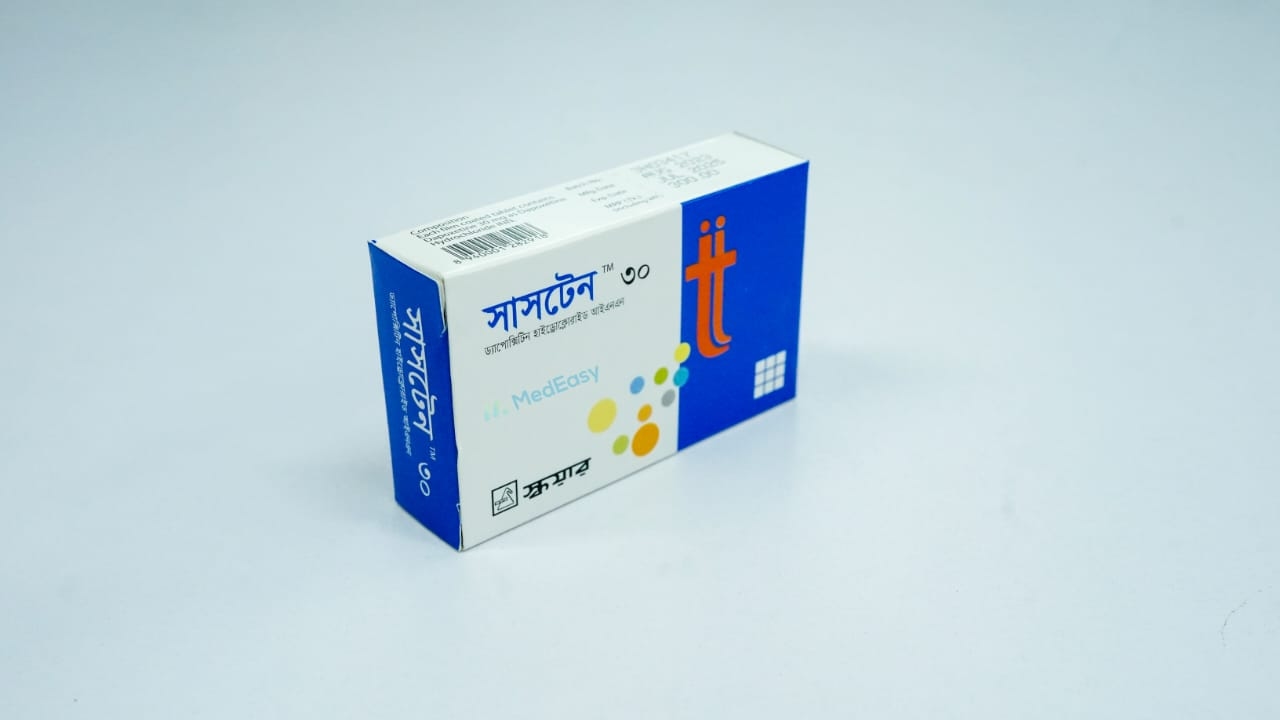
Generic medicine

Dapoxetine Hydrochloride: Brands, Price & Uses in Bangladesh

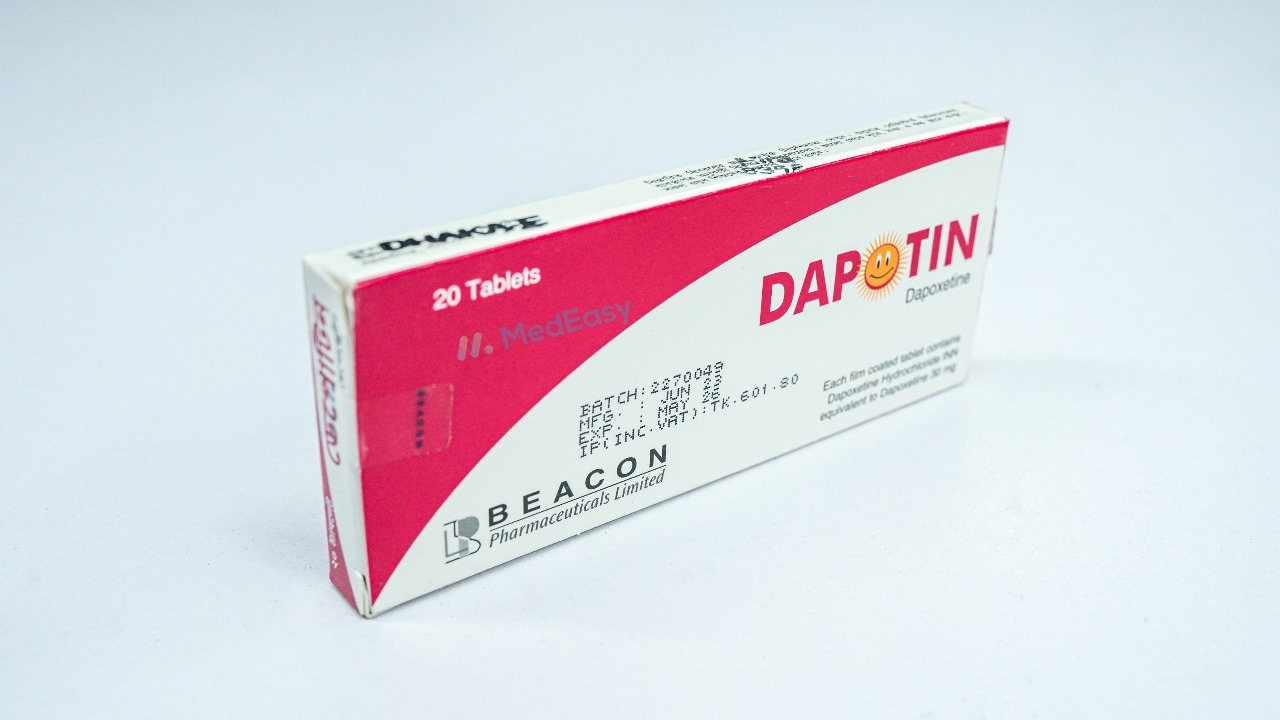
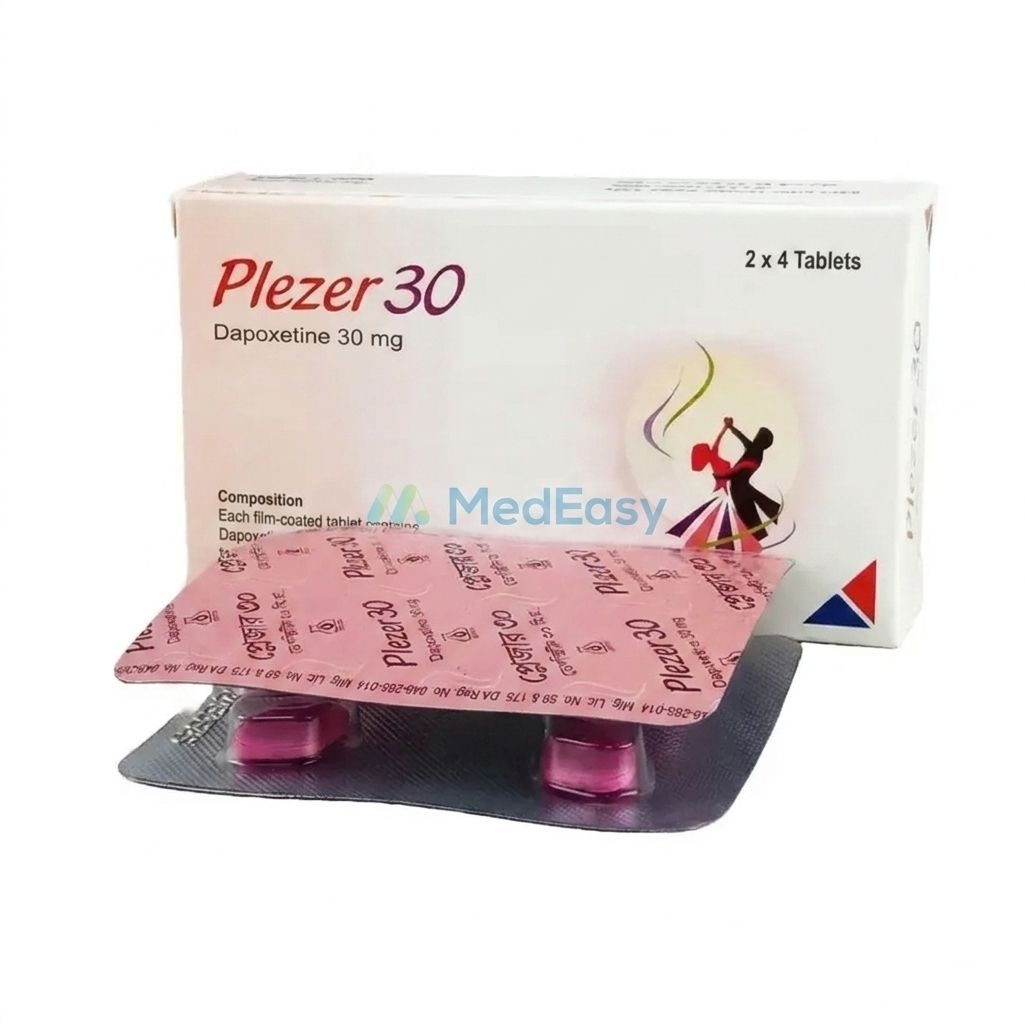
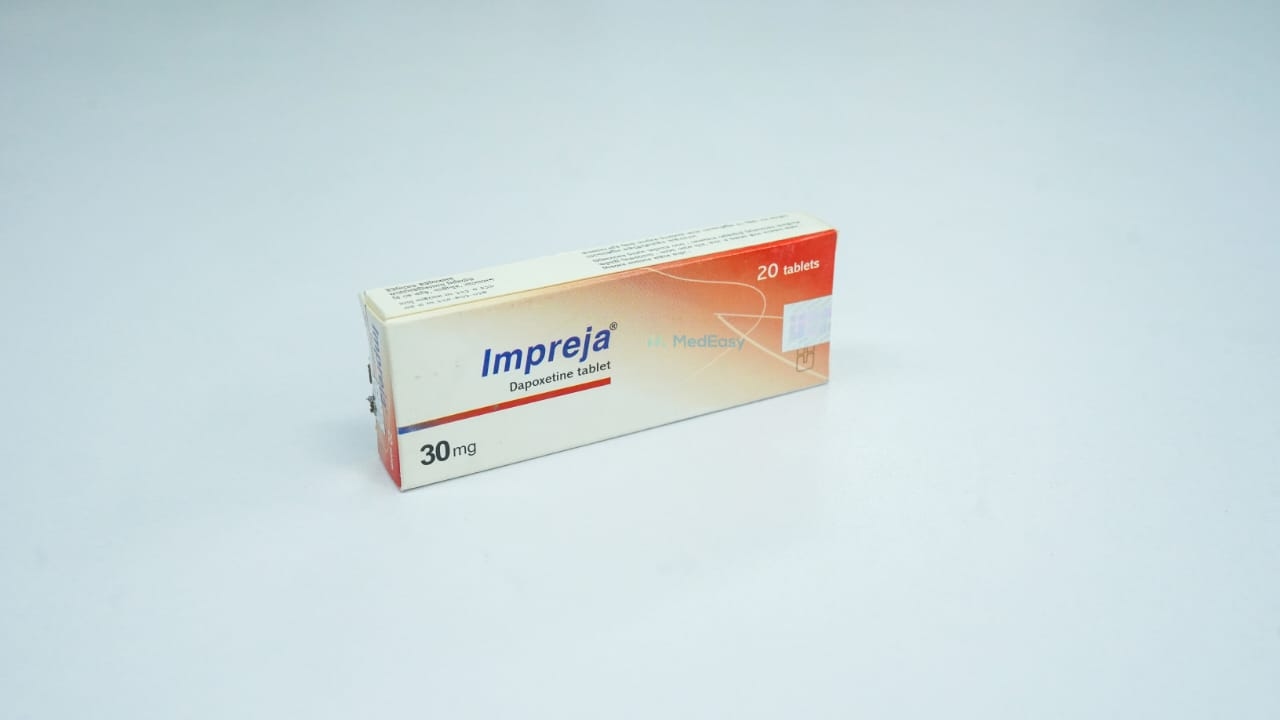
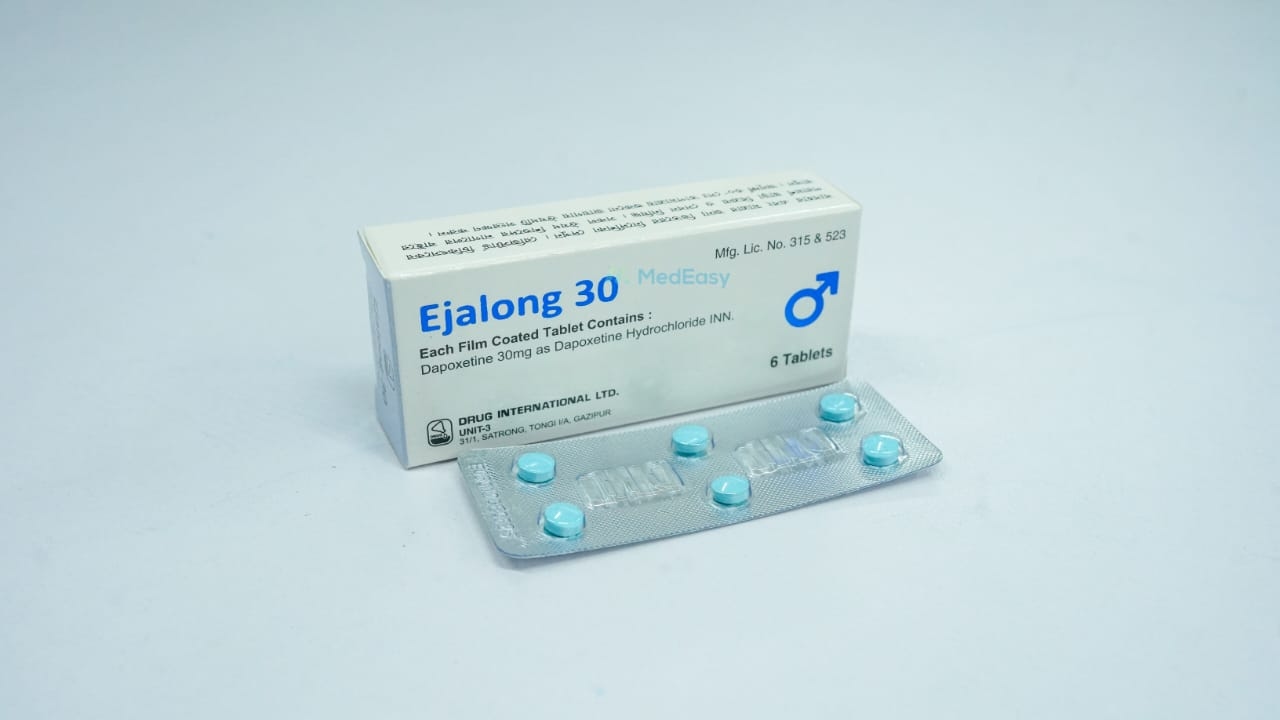
Dapoxetine Hydrochloride is a short-acting selective serotonin reuptake inhibitor (SSRI) indicated for the on-demand treatment of premature ejaculation (PE) in adult men aged 18 to 64 years.

Forms:Tablet

About Dapoxetine Hydrochloride

Indications of Dapoxetine Hydrochloride

Dapoxetine Hydrochloride is a short-acting selective serotonin reuptake inhibitor (SSRI) indicated for the on-demand treatment of premature ejaculation (PE) in adult men aged 18 to 64 years.

Established Use

  • Treatment of premature ejaculation in men who have an intravaginal ejaculatory latency time of less than about 2 minutes, together with marked personal or interpersonal distress and poor control over ejaculation.

Dapoxetine Hydrochloride is used only as needed before anticipated sexual activity and is not intended for continuous daily use, unlike SSRIs used for depression or anxiety.

Note: Dapoxetine Hydrochloride is not indicated for the treatment of depression, anxiety, or any psychiatric condition, and is not approved for use in women or children.

Dosage & Administration of Dapoxetine Hydrochloride

Dosing Principle

Dapoxetine Hydrochloride is used strictly on an as-needed (on-demand) basis and must never be taken continuously or daily.

PopulationDoseTiming
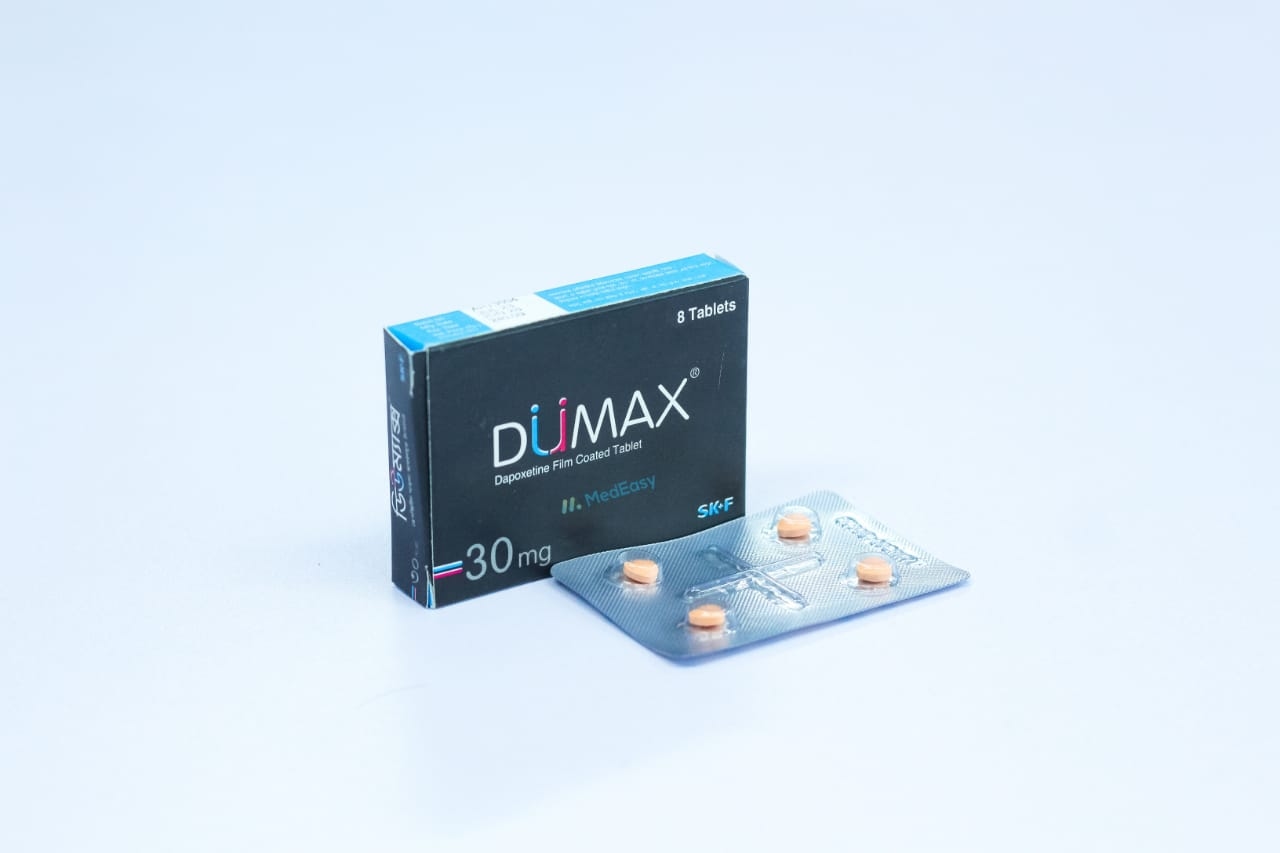
Adult men (18-64 years) - initial dose30 mg, single tablet1 to 3 hours before anticipated sexual activity
Adult men - if inadequate response and well toleratedMay increase to 60 mg1 to 3 hours before anticipated sexual activity
Maximum frequencyOne dose in any 24-hour periodNot more than once daily

Dapoxetine Hydrochloride should be swallowed whole with a full glass of water and may be taken with or without food, though food may modestly delay the time to peak effect. The tablet should not be split, crushed, or chewed. Patients should assess their individual tolerability before relying on the medicine, since dizziness or syncope can occur, particularly with the first dose (see Precautions and Warnings).

Renal and Hepatic Impairment

  • Renal impairment: Use with caution in mild-to-moderate impairment; not recommended in severe renal impairment.
  • Hepatic impairment: Contraindicated in moderate-to-severe hepatic impairment (see Contraindications).

Side Effects of Dapoxetine Hydrochloride

Side effects of Dapoxetine Hydrochloride are generally dose-related and more frequent with the 60 mg dose than the 30 mg dose.

Very Common / Common

  • Dizziness, headache
  • Nausea, diarrhea, dry mouth
  • Insomnia, somnolence
  • Fatigue

Less Common

  • Blurred vision
  • Anxiety, irritability, restlessness
  • Palpitations
  • Orthostatic hypotension, presyncope, and syncope (fainting), particularly after the first dose (see Precautions and Warnings)

Rare but Serious

  • Serotonin syndrome (when combined with contraindicated serotonergic drugs)
  • Significant mood changes, including rare reports of suicidal ideation

Patients should seek prompt medical attention for fainting, severe dizziness on standing, unusual bleeding, agitation, high fever, muscle rigidity, or rapid heartbeat while taking Dapoxetine Hydrochloride.

Contraindications of Dapoxetine Hydrochloride

Dapoxetine Hydrochloride is contraindicated in the following situations:

  • Known hypersensitivity to dapoxetine or any component of the formulation.
  • Concomitant use with monoamine oxidase inhibitors (MAOIs), or use within 14 days of discontinuing an MAOI, due to risk of serotonin syndrome.
  • Concomitant use with other serotonergic agents, including SSRIs, SNRIs, tricyclic antidepressants, and other drugs known to affect serotonin levels.
  • Concomitant use with potent CYP3A4 inhibitors (e.g. ketoconazole, ritonavir, ritonavir-boosted protease inhibitors, itraconazole, telithromycin, nefazodone).
  • Significant organic or structural cardiac disease, including heart failure (NYHA class II-IV), conduction abnormalities (e.g. AV block, sick sinus syndrome), ischemic heart disease, or clinically significant valvular heart disease.
  • Moderate to severe hepatic impairment.
  • Use in women and in children/adolescents under 18 years of age.
  • History of syncope or predisposition to orthostatic hypotension.

Frequently Asked Questions about Dapoxetine Hydrochloride

What is Dapoxetine Hydrochloride used for?

Dapoxetine Hydrochloride is used to treat premature ejaculation in adult men aged 18 to 64 years. It is taken on an as-needed basis before sexual activity, not as a daily medicine.

How and when should I take Dapoxetine Hydrochloride?

Take one tablet of Dapoxetine Hydrochloride (usually starting at 30 mg) with a full glass of water, 1 to 3 hours before you expect to have sexual activity. Do not take more than one dose in a 24-hour period, and do not take it every day.

Can Dapoxetine Hydrochloride make me feel dizzy or faint?

Yes. Dapoxetine Hydrochloride can cause dizziness, lightheadedness, or fainting (syncope), especially after the first dose or when standing up quickly. If you feel dizzy, nauseated, or notice palpitations, sit or lie down immediately. Avoid driving or standing for long periods until you know how the medicine affects you.

Who should not take Dapoxetine Hydrochloride?

Dapoxetine Hydrochloride should not be taken by women or children, by men with significant heart disease (such as heart failure or conduction abnormalities), men with moderate-to-severe liver problems, or anyone taking MAOIs or other serotonergic antidepressants, due to the risk of serotonin syndrome and fainting. Always disclose your full medical history and current medicines to your physician before starting Dapoxetine Hydrochloride.

Can I drink alcohol while taking Dapoxetine Hydrochloride?

No, alcohol should be avoided while taking Dapoxetine Hydrochloride because it increases the risk of dizziness, drowsiness, and fainting.

What should I do if I take too much Dapoxetine Hydrochloride?

If an overdose of Dapoxetine Hydrochloride is suspected, seek immediate medical attention or contact emergency services or a poison control center right away. Do not attempt to treat an overdose at home.

Disclaimer

The information provided is accurate to the best of our knowledge, but it does not replace professional medical advice. We cannot guarantee its completeness or accuracy, and the absence of specific information about a drug should not be taken as an endorsement. We are not responsible for any consequences arising from this information, so please consult a healthcare professional for any concerns or questions.
DoctorBlogArticles