Generic medicine

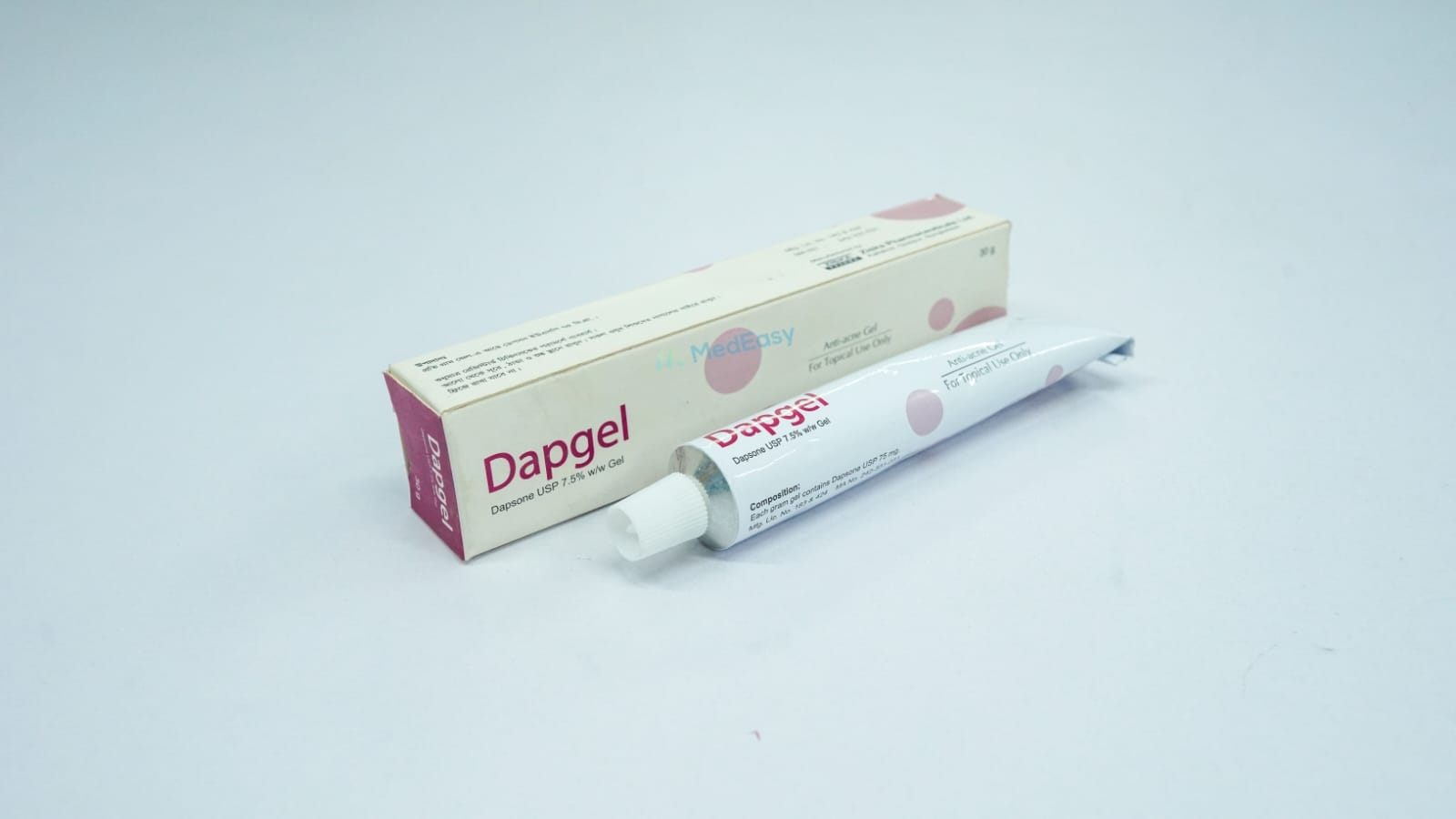
Dapsone: Brands, Price & Uses in Bangladesh

Dapsone is a sulfone-class antibacterial and anti-inflammatory agent used for the following indications: Established / FDA-approved uses Leprosy (Hansen's disease): Dapsone is a core component of…

Forms:Gel

About Dapsone

Indications of Dapsone

Dapsone is a sulfone-class antibacterial and anti-inflammatory agent used for the following indications:

Established / FDA-approved uses

  • Leprosy (Hansen's disease): Dapsone is a core component of WHO-recommended multidrug therapy (MDT) for both paucibacillary and multibacillary leprosy, used in combination with other antileprosy drugs (e.g., rifampicin, clofazimine) to prevent resistance.
  • Dermatitis herpetiformis (DH): Dapsone is first-line therapy for the skin manifestations of DH, often used alongside a gluten-free diet.
  • Acne vulgaris (topical gel, 5%/7.5%): approved for topical treatment of acne vulgaris in patients 12 years of age and older.

Guideline-supported off-label use

  • Pneumocystis jirovecii pneumonia (PCP) prophylaxis: an alternative agent (per CDC/NIH opportunistic infection guidelines) for primary or secondary PCP prophylaxis in immunocompromised patients (e.g., HIV infection) who cannot tolerate trimethoprim-sulfamethoxazole; sometimes combined with pyrimethamine and leucovorin for added toxoplasmosis prophylaxis.

Other off-label dermatologic uses (variable evidence)

  • Bullous pemphigoid, linear IgA bullous dermatosis, subcorneal pustular dermatosis, and selected neutrophilic/vasculitic skin disorders, used under specialist supervision.

Dapsone is not effective against sulfone-resistant strains of Mycobacterium leprae.

Dosage & Administration of Dapsone

Dosage of Dapsone is individualized by indication. It should always be taken exactly as prescribed by a physician.

IndicationAdult dosePediatric dose
Leprosy (WHO-MDT)100 mg once daily, combined with other antileprosy drugs, for the duration specified by the WHO MDT regimen (6 months for paucibacillary, 12 months for multibacillary disease)Weight-based dose (approximately 1–2 mg/kg/day) per WHO pediatric MDT blister-pack regimens
Dermatitis herpetiformisInitially 50 mg/day, titrated as needed within a 50–300 mg/day range to control skin lesions, then reduced to the lowest effective maintenance doseCorrespondingly smaller weight-based doses under specialist supervision
PCP prophylaxis (off-label)Typically 100 mg once daily (regimens vary; may be combined with pyrimethamine/leucovorin) per treating physician's guidanceWeight-based dosing per pediatric infectious disease guidance
Acne vulgaris (topical gel)Apply a thin layer to affected areas once daily (7.5% gel) or twice daily (5% gel) after cleansingApproved for patients 12 years and older; same application instructions

Dapsone tablets are usually taken orally, with or without food. See Precautions for required baseline and monitoring tests (G6PD status, complete blood count).

Side Effects of Dapsone

Adverse effects of Dapsone range from common and mild to rare but serious:

Serious / boxed-warning-class risks

  • Hemolytic anemia: dose-related; significantly more severe in patients with G6PD deficiency.
  • Methemoglobinemia: presents with cyanosis, fatigue, and shortness of breath.
  • Agranulocytosis: rare but potentially fatal; occurs more often early in treatment.
  • Peripheral neuropathy: rare, predominantly motor, usually reversible with dose reduction or discontinuation.
  • Dapsone hypersensitivity syndrome (a DRESS-type reaction): fever, rash, lymphadenopathy, and hepatitis, typically within the first weeks of therapy.

Common effects

  • Headache, nausea, vomiting, and loss of appetite (oral use).
  • Application-site dryness, peeling, erythema, or oiliness (topical gel).

Patients should seek urgent medical attention for unusual paleness, fatigue, blue-tinged skin/lips, fever with rash, sore throat, or unusual bruising/bleeding while on Dapsone.

Contraindications of Dapsone

Dapsone is contraindicated in patients with known hypersensitivity to Dapsone or other sulfone compounds. There are no other well-established absolute contraindications; other risk factors (e.g., G6PD deficiency, hepatic impairment) require caution and monitoring rather than being absolute contraindications — see Precautions and Warnings.

Frequently Asked Questions about Dapsone

What is Dapsone used for?

Dapsone is used to treat leprosy (as part of combination therapy), dermatitis herpetiformis, and, as a topical gel, acne vulgaris. It is also used off-label to help prevent Pneumocystis jirovecii pneumonia in some immunocompromised patients.

Do I need any tests before starting Dapsone?

Yes. Before starting oral Dapsone, your doctor will typically test for glucose-6-phosphate dehydrogenase (G6PD) deficiency, because Dapsone can cause more severe hemolytic anemia in people with this condition. Regular blood count monitoring is also recommended during treatment, especially in the first several months, to catch rare but serious effects such as agranulocytosis.

Can I stop taking Dapsone once I feel better?

No. If you are taking Dapsone as part of leprosy treatment, you must complete the full prescribed multidrug therapy course exactly as directed by your physician. Do not stop, extend, skip doses, or share this medicine with others without medical advice — stopping early can allow the infection to relapse or become resistant to treatment.

Is Dapsone safe during pregnancy or breastfeeding?

Dapsone falls under pregnancy category C, meaning it should be used in pregnancy only if clearly needed and if the benefit outweighs potential risk to the baby, under a physician's guidance. It also passes into breast milk in significant amounts and can rarely cause hemolytic problems in a nursing infant, so breastfeeding while taking Dapsone should be supervised by a doctor, with the baby monitored for signs such as jaundice or unusual paleness.

What side effects should prompt me to call my doctor right away?

Contact your doctor immediately if you notice unusual paleness or fatigue, yellowing of the skin or eyes, blue-tinged lips or skin, fever with rash or sore throat, unusual bruising or bleeding, or muscle weakness while taking Dapsone. These may signal serious effects such as hemolytic anemia, methemoglobinemia, agranulocytosis, or peripheral neuropathy, which need prompt medical evaluation.

What should I do if I take too much Dapsone or someone overdoses?

An overdose of Dapsone is a medical emergency. Seek immediate medical attention or contact emergency services or a poison control center right away rather than trying to manage it at home, since overdose can cause serious methemoglobinemia and hemolysis that require hospital-based treatment.

Disclaimer

The information provided is accurate to the best of our knowledge, but it does not replace professional medical advice. We cannot guarantee its completeness or accuracy, and the absence of specific information about a drug should not be taken as an endorsement. We are not responsible for any consequences arising from this information, so please consult a healthcare professional for any concerns or questions.

DoctorBlogArticles