Generic medicine

Darbepoetin Alfa: Brands, Price & Uses in Bangladesh

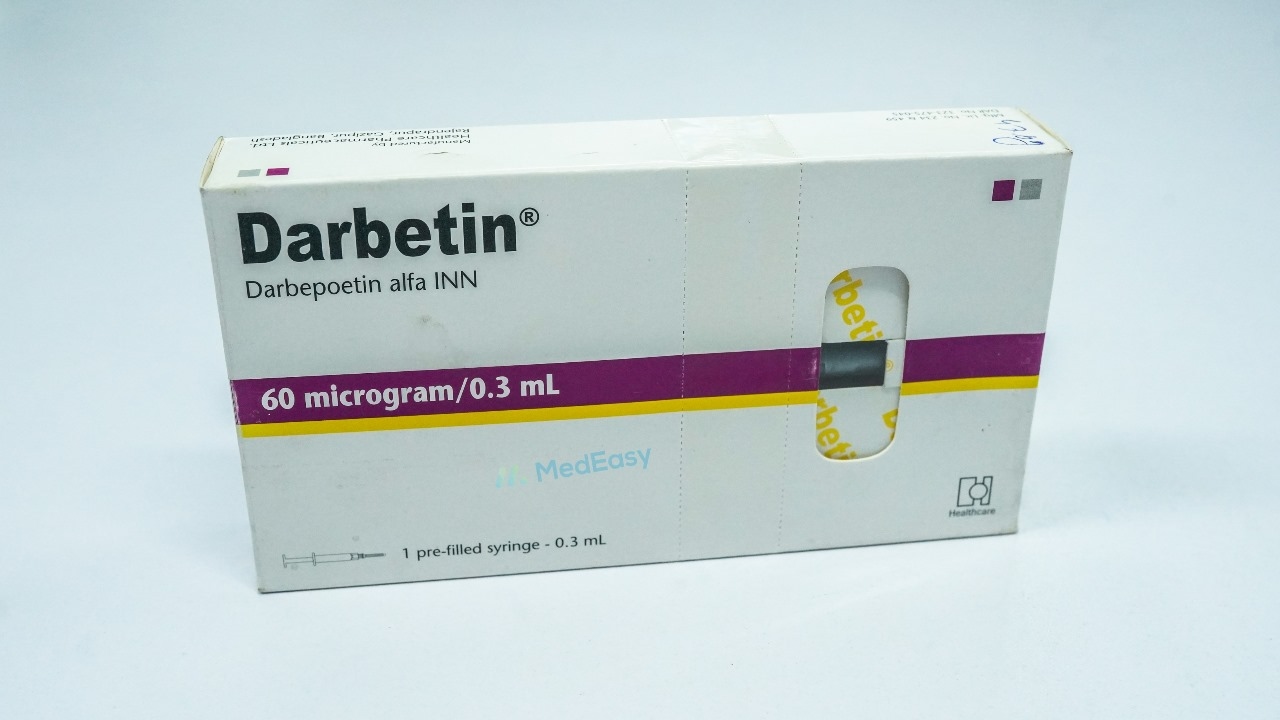
Darbepoetin Alfa is a long-acting, recombinant erythropoiesis-stimulating agent (ESA) indicated for the treatment of anemia in the following FDA-approved and more.

Forms:SC InjectionIV/SC Injection

About Darbepoetin Alfa

Indications of Darbepoetin Alfa

Darbepoetin Alfa is a long-acting, recombinant erythropoiesis-stimulating agent (ESA) indicated for the treatment of anemia in the following FDA-approved, evidence-supported settings:

  • Anemia associated with chronic kidney disease (CKD): in patients on dialysis and in patients not on dialysis, to reduce the need for red blood cell transfusion.
  • Anemia due to the effect of concomitant myelosuppressive chemotherapy: in patients with non-myeloid malignancies, where a minimum of two additional months of planned chemotherapy is expected.

Not Indicated For

  • Patients with cancer receiving chemotherapy when the anticipated outcome of treatment is cure.
  • Patients whose anemia can be adequately managed by transfusion alone.
  • As a substitute for red blood cell transfusion in patients who require immediate correction of anemia.

Darbepoetin Alfa has not been shown to improve quality of life, fatigue, or patient well-being, and its use requires careful evaluation of the risks and benefits described under Precautions and Warnings.

Dosage & Administration of Darbepoetin Alfa

General Principles

The goal of treatment with Darbepoetin Alfa is to use the lowest dose sufficient to reduce the need for red blood cell transfusions; hemoglobin should not be targeted above 11 g/dL. Doses should be individualized and adjusted based on hemoglobin response, rate of hemoglobin rise, and clinical circumstances, with dose reductions or temporary interruption when hemoglobin approaches or exceeds target levels or rises too rapidly.

Dosing by Indication

IndicationTypical Starting DoseRoute/Frequency
CKD on dialysis (adult)0.45 mcg/kgIV or subcutaneous, once weekly; or 0.75 mcg/kg once every 2 weeks
CKD not on dialysis (adult)0.45 mcg/kgIV or subcutaneous, once every 4 weeks
Chemotherapy-induced anemia (adult)2.25 mcg/kg weekly, or 500 mcgSubcutaneous, weekly or once every 3 weeks
Pediatric CKD (on dialysis)0.45 mcg/kgSubcutaneous or IV, once weekly

Iron status (transferrin saturation and ferritin) should be evaluated before and periodically during treatment; supplemental iron is often needed to support and maintain response (see Interactions). Discontinue if response is not achieved after an appropriate dose escalation, per current hemoglobin targets described under Precautions and Warnings.

Side Effects of Darbepoetin Alfa

Adverse effects of Darbepoetin Alfa are generally related to increases in hemoglobin/hematocrit and blood pressure, or to injection-related reactions.

Common

  • Hypertension (requires regular blood pressure monitoring; see Precautions)
  • Headache
  • Arthralgia and myalgia
  • Injection site pain or reactions
  • Edema
  • Fatigue, dizziness
  • Nausea, vomiting, diarrhea

Serious (Less Common but Clinically Important)

  • Thromboembolic events, including deep vein thrombosis, pulmonary embolism, myocardial infarction, and stroke (risk increases with higher hemoglobin targets; see Precautions and Warnings)
  • Pure red cell aplasia (rare, antibody-mediated loss of response)
  • Serious allergic/hypersensitivity reactions
  • Seizures (reported, mostly in CKD patients)

Contraindications of Darbepoetin Alfa

Darbepoetin Alfa is contraindicated in patients with:

  • Known hypersensitivity to Darbepoetin Alfa or any component of the formulation, including serious allergic reactions (e.g., anaphylaxis, angioedema).
  • Uncontrolled hypertension.
  • Pure red cell aplasia (PRCA) that develops after treatment with Darbepoetin Alfa or any other erythropoietin protein drug.

Frequently Asked Questions about Darbepoetin Alfa

What is Darbepoetin Alfa used for?

Darbepoetin Alfa is used to treat anemia (low red blood cell count) caused by chronic kidney disease and by certain types of chemotherapy given for non-myeloid cancers. It works by stimulating the bone marrow to produce more red blood cells, reducing the need for blood transfusions.

How is Darbepoetin Alfa given?

Darbepoetin Alfa is given as an injection under the skin (subcutaneous) or into a vein (intravenous), usually once weekly, every 2 weeks, or every 4 weeks depending on the condition being treated. It should only be administered by, or under the guidance of, a healthcare professional or a properly trained caregiver.

What are the most serious risks of Darbepoetin Alfa?

Darbepoetin Alfa carries a boxed warning because it can increase the risk of death, heart attack, stroke, blood clots, and, in cancer patients, tumor progression or recurrence, especially if the hemoglobin level rises too high. Doctors use the lowest dose needed and monitor hemoglobin and blood pressure closely to reduce this risk.

Can Darbepoetin Alfa be used during pregnancy or breastfeeding?

Information on Darbepoetin Alfa use during pregnancy is limited, and animal studies suggest possible risk to the fetus at typical doses. It should be used in pregnancy only if the potential benefit clearly justifies the potential risk, and only under close physician supervision. It is not known whether it passes into breast milk, so a doctor should be consulted before use while breastfeeding.

Why do I need iron supplements while taking Darbepoetin Alfa?

Darbepoetin Alfa works by stimulating red blood cell production, which requires adequate iron stores. If iron levels are low, the medicine may not work as well. Your doctor will check your iron status before and during treatment and may prescribe iron supplements to help you respond properly.

What should I do if I miss a dose or suspect an overdose of Darbepoetin Alfa?

If you miss a scheduled dose of Darbepoetin Alfa, contact your healthcare provider for guidance rather than doubling the next dose. If an overdose is suspected, seek immediate medical attention or contact emergency services, since excessive doses can push hemoglobin too high and raise the risk of serious cardiovascular complications.

Disclaimer

The information provided is accurate to the best of our knowledge, but it does not replace professional medical advice. We cannot guarantee its completeness or accuracy, and the absence of specific information about a drug should not be taken as an endorsement. We are not responsible for any consequences arising from this information, so please consult a healthcare professional for any concerns or questions.

DoctorBlogArticles