
Generic medicine

Dexamethasone: Brands, Price & Uses in Bangladesh

Dexamethasone is a potent, long-acting synthetic corticosteroid (glucocorticoid) with minimal mineralocorticoid activity.

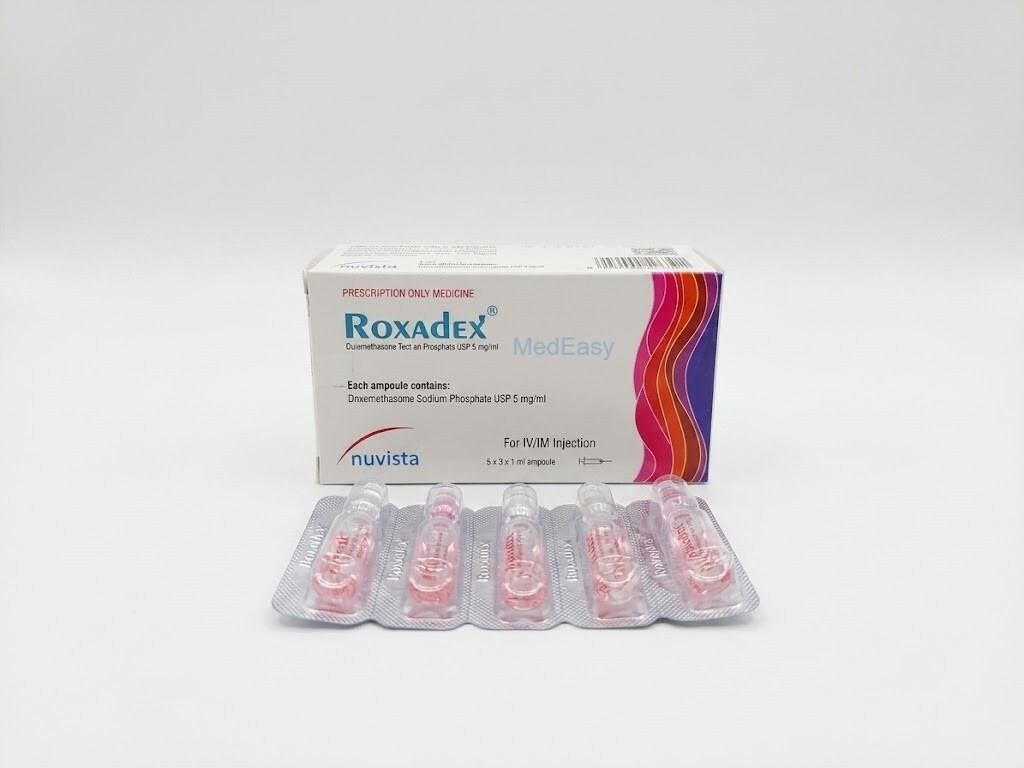
Forms:TabletIM/IV Injection

About Dexamethasone

Indications of Dexamethasone

Dexamethasone is a potent, long-acting synthetic corticosteroid (glucocorticoid) with minimal mineralocorticoid activity. It is used systemically (oral or injectable) and locally (ophthalmic, otic, topical, intra-articular) for a wide range of conditions. Indications are classified below by strength of evidence.

Established/FDA-approved uses

  • Endocrine disorders — adjunctive therapy in primary or secondary adrenocortical insufficiency (usually with a mineralocorticoid), congenital adrenal hyperplasia, non-suppurative thyroiditis, hypercalcemia associated with cancer
  • Rheumatic disorders — adjunctive therapy in rheumatoid arthritis, psoriatic arthritis, ankylosing spondylitis, acute gouty arthritis, acute rheumatic carditis, systemic lupus erythematosus, dermatomyositis
  • Allergic states — control of severe allergic conditions such as seasonal or perennial allergic rhinitis, drug hypersensitivity reactions, serum sickness, contact dermatitis, and severe anaphylactic reactions (as an adjunct after epinephrine)
  • Dermatologic diseases — pemphigus, severe erythema multiforme (Stevens-Johnson syndrome), exfoliative dermatitis, severe psoriasis, severe seborrheic dermatitis
  • Respiratory diseases — symptomatic sarcoidosis, berylliosis, fulminating or disseminated pulmonary tuberculosis (with appropriate anti-tuberculous therapy), aspiration pneumonitis
  • Hematologic disorders — acquired autoimmune hemolytic anemia, immune thrombocytopenia (ITP), erythroblastopenia
  • Neoplastic diseases — palliative management of leukemias and lymphomas; supportive care in solid tumor chemotherapy
  • Nervous system — cerebral edema associated with brain tumor, neurosurgery, or head injury
  • Edematous states — nephrotic syndrome without uremia (idiopathic or due to lupus erythematosus)
  • Gastrointestinal diseases — to help patients through a critical period of ulcerative colitis and Crohn’s disease
  • Ophthalmic diseases — severe acute and chronic allergic and inflammatory processes involving the eye (as ophthalmic preparations)
  • Antiemetic — prevention of chemotherapy-induced nausea and vomiting, often used in combination with other antiemetics
  • Diagnostic use — the dexamethasone suppression test for evaluating hypothalamic-pituitary-adrenal axis function/Cushing’s syndrome

Guideline-supported / specific clinical uses

  • COVID-19 — in hospitalized patients requiring supplemental oxygen or mechanical ventilation, per WHO and national treatment guidelines
  • Croup (laryngotracheobronchitis) in children — single dose to reduce airway inflammation and severity of symptoms
  • Bacterial meningitis — adjunctive therapy (given before or with the first antibiotic dose) in infants and children with Haemophilus influenzae type b meningitis, to reduce the risk of hearing loss and neurological sequelae
  • Antenatal corticosteroid therapy — administered to the mother to accelerate fetal lung maturation when preterm delivery is anticipated (used under specialist obstetric supervision)
  • High-altitude cerebral edema — treatment and prevention as an adjunct to descent

Use of Dexamethasone should always be guided and monitored by a qualified physician, with the lowest effective dose used for the shortest duration consistent with the condition being treated.

Dosage & Administration of Dexamethasone

Dosage of Dexamethasone is highly individualized based on the condition being treated, severity, and patient response. The lowest effective dose for the shortest necessary duration should be used. The following are representative regimens; a physician's prescription should always be followed.

IndicationTypical adult dose
General anti-inflammatory/immunosuppressive use (oral)0.75 mg to 9 mg per day, in divided doses depending on severity
Cerebral edemaInitial 10 mg IV, then 4 mg IM every 6 hours; tapered and discontinued after 2-4 days as tolerated
Chemotherapy-induced nausea and vomitingTypically 8-20 mg IV once before chemotherapy, or per specific antiemetic protocol, often combined with a 5-HT3 antagonist
COVID-19 (hospitalized, oxygen-dependent)6 mg once daily (oral or IV) for up to 10 days, per WHO/national guidance
Bacterial meningitis (adjunct, adults)10 mg IV every 6 hours for 4 days, starting with or just before the first antibiotic dose
Dexamethasone suppression test (diagnostic)1 mg orally at 11 pm, with plasma cortisol measured the next morning (per specific protocol)

Pediatric dosing (representative)

IndicationTypical pediatric dose
Croup0.15-0.6 mg/kg as a single oral or intramuscular dose (maximum per local guideline, often up to 10-16 mg)
Bacterial meningitis (H. influenzae, adjunct)0.15 mg/kg every 6 hours for 2-4 days, started before or with the first antibiotic dose
General anti-inflammatory use0.02-0.3 mg/kg/day in divided doses, individualized by condition and weight

See Dosage and Administration for hepatic/renal adjustment; no fixed dose reduction is well established for renal impairment, but caution and monitoring are advised in hepatic impairment as metabolism may be reduced.

Side Effects of Dexamethasone

Side effects of Dexamethasone are generally related to dose and duration of therapy.

Common

  • Increased appetite, weight gain, fluid retention
  • Insomnia, mood changes, nervousness or restlessness
  • Indigestion, nausea
  • Elevated blood glucose
  • Acne, skin thinning, easy bruising

Less common but significant

  • Adrenal suppression (see Precautions and Warnings)
  • Increased susceptibility to infection, masking of signs of infection
  • Peptic ulceration, especially with concurrent NSAID use
  • Osteoporosis and increased fracture risk with long-term use
  • Cataracts, glaucoma (with prolonged use, especially ophthalmic)
  • Growth suppression in children with prolonged use
  • Psychiatric effects including mood swings, insomnia, and rarely psychosis (can occur even with short courses in susceptible individuals)
  • Hypertension, hypokalemia
  • Cushingoid features (moon face, central obesity) with prolonged use

Contraindications of Dexamethasone

Dexamethasone is contraindicated in:

  • Known hypersensitivity to Dexamethasone or any component of the specific formulation (including, for some injectable products, sulfite hypersensitivity)
  • Systemic fungal infections
  • Administration of live or live-attenuated vaccines to patients receiving immunosuppressive doses of Dexamethasone
  • Cerebral malaria (established absolute contraindication per WHO guidance)

Other cautions (adrenal suppression, infection risk, hyperglycemia, and similar concerns) are precautions rather than absolute contraindications and are discussed under Precautions and Warnings.

Frequently Asked Questions about Dexamethasone

What is Dexamethasone used for?

Dexamethasone is a potent corticosteroid used to reduce inflammation and suppress an overactive immune response in a wide range of conditions, including allergic reactions, autoimmune and rheumatic diseases, certain cancers, cerebral edema, croup, and as an adjunct in severe infections such as bacterial meningitis and oxygen-dependent COVID-19. Your physician will determine if Dexamethasone is appropriate for your specific condition.

Can I stop taking Dexamethasone suddenly?

No. If you have been taking Dexamethasone for more than a short period, you must not stop it abruptly. Prolonged use can suppress your body's natural adrenal hormone production, and sudden discontinuation can cause dangerous adrenal insufficiency. Your physician will provide a tapering schedule to reduce the dose gradually.

Is Dexamethasone safe during pregnancy?

Dexamethasone should be used in pregnancy only if clearly needed and if the potential benefit justifies the potential risk to the fetus, and only under a physician's supervision. It is used in certain specific circumstances, such as to help mature a baby's lungs before an anticipated preterm birth, but this is a decision made by a specialist based on the individual situation, not a general recommendation for use in pregnancy.

What are the common side effects of Dexamethasone?

Common side effects of Dexamethasone include increased appetite, weight gain, fluid retention, difficulty sleeping, mood changes, indigestion, and elevated blood sugar. With longer use, more significant risks include increased infection risk, adrenal suppression, osteoporosis, peptic ulcers (especially with NSAIDs), and in children, slowed growth. Report any concerning symptoms to your physician.

Can Dexamethasone be given to children?

Yes, Dexamethasone is used in children for specific conditions such as croup and as part of treatment for certain infections, using weight-based dosing determined by a pediatrician. However, prolonged use in children can suppress growth, so it is used at the lowest effective dose for the shortest necessary time, with monitoring.

What should I do if I miss a dose or take too much Dexamethasone?

If you miss a dose, take it as soon as you remember unless it is close to the next scheduled dose; do not double the dose. If you suspect you or someone else has taken too much Dexamethasone, seek immediate medical attention or contact a poison control center right away, especially with repeated excessive dosing, rather than trying to manage it at home.

Disclaimer

The information provided is accurate to the best of our knowledge, but it does not replace professional medical advice. We cannot guarantee its completeness or accuracy, and the absence of specific information about a drug should not be taken as an endorsement. We are not responsible for any consequences arising from this information, so please consult a healthcare professional for any concerns or questions.
DoctorBlogArticles