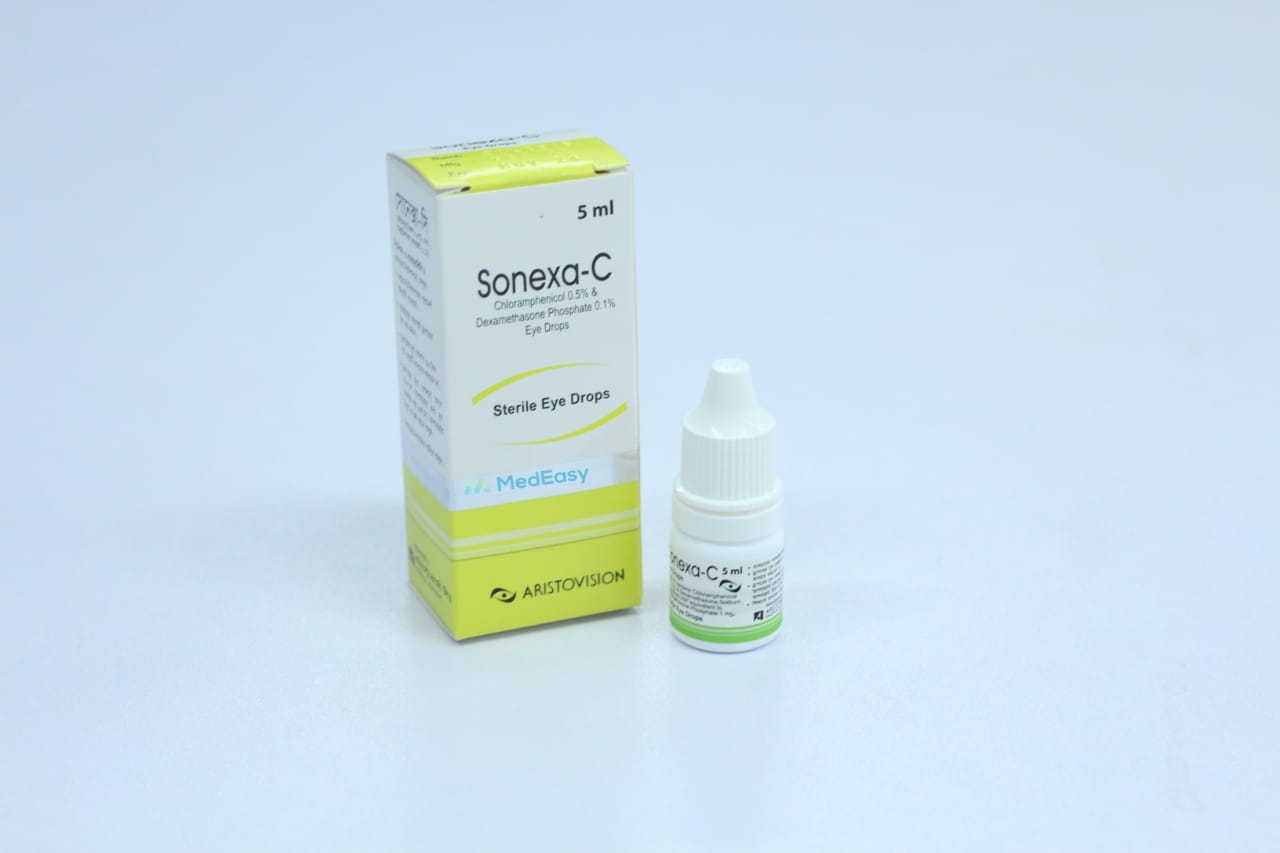
Generic medicine

Dexamethasone + Chloramphenicol: Brands, Price & Uses in Bangladesh

Dexamethasone + Chloramphenicol is an ophthalmic (eye) combination of a corticosteroid and a broad-spectrum antibiotic.

Forms:Ophthalmic Solution

About Dexamethasone + Chloramphenicol

Indications of Dexamethasone + Chloramphenicol

Dexamethasone + Chloramphenicol is an ophthalmic (eye) combination of a corticosteroid and a broad-spectrum antibiotic. It is indicated for steroid-responsive inflammatory ocular conditions in which there is a bacterial infection or a risk of bacterial infection.

Established/Guideline-Supported Uses

  • Steroid-responsive inflammation of the palpebral and bulbar conjunctiva, cornea, and anterior segment of the eye (e.g. allergic conjunctivitis, episcleritis, superficial punctate keratitis) where a bacterial infection or risk of one is also present
  • Acute purulent (bacterial) conjunctivitis
  • Corneal injury from chemical, radiation, or thermal burns, or penetration of foreign bodies, when accompanied or risked by bacterial infection
  • Iritis and uveitis of the anterior segment with concurrent or risk of bacterial infection
  • Postoperative inflammation following ocular surgery, when infection risk is also a concern

Important Note on Use

Dexamethasone + Chloramphenicol is intended for short-term use under medical supervision. It is not intended for infections of the eye caused by viruses, fungi, or mycobacteria (see Contraindications), and it should not be used simply as a general-purpose eye drop for undiagnosed red or irritated eyes.

Dosage & Administration of Dexamethasone + Chloramphenicol

Dexamethasone + Chloramphenicol is for ophthalmic (eye) use only and must be used exactly as prescribed by a physician.

Bacterial Conjunctivitis / General Inflammatory Conditions with Infection Risk (Eye Drops)

PhaseDose
Initial (first 24-48 hours)1-2 drops into the affected eye(s) every 2 hours while awake
Maintenance (as condition improves)1-2 drops 4 times daily, tapering gradually as directed by the physician

Severe Conditions (e.g. Corneal Involvement)

The treating physician may prescribe a more intensive initial regimen (e.g. drops as often as every 15-30 minutes for the first hours), tapering as inflammation and infection are controlled. Do not adjust the frequency without medical advice.

Ointment (where prescribed)

A small ribbon (approximately 1 cm) applied to the lower conjunctival sac 2-3 times daily, or at bedtime in addition to daytime drops, as directed.

Duration

Treatment is generally short-term (typically not exceeding 7-10 days) unless a physician specifically directs longer use with monitoring, because of the risks of prolonged corticosteroid use to the eye (see Precautions and Warnings). Take exactly as prescribed by your physician; do not stop, extend, skip doses, or share this medicine with others without medical advice.

Side Effects of Dexamethasone + Chloramphenicol

Most side effects of Dexamethasone + Chloramphenicol are local and mild-to-moderate, related to the site of application.

Common

  • Transient burning, stinging, or discomfort on instillation
  • Eye redness, itching, or irritation
  • Blurred vision (transient)
  • Foreign body sensation
  • Photophobia (light sensitivity)

Less Common but Important

  • Elevated intraocular pressure/glaucoma with prolonged use
  • Posterior subcapsular cataract formation with prolonged use
  • Delayed wound/corneal healing
  • Secondary ocular infection (bacterial, viral, or fungal) due to suppression of the host immune response, especially with prolonged use
  • Allergic-type hypersensitivity reactions (eyelid swelling, rash)

Rare but Serious

  • Rare case reports of serious blood disorders (aplastic anemia, bone marrow suppression) have been associated with chloramphenicol, including with topical ophthalmic use, although this is very rare with eye drops (see Precautions and Warnings).
  • Optic nerve damage and visual field defects with long-term corticosteroid use
  • Globe/corneal perforation, particularly where thinning of the cornea or sclera has occurred

Report any unusual bruising, bleeding, sore throat, fever, or signs of infection promptly to a physician.

Contraindications of Dexamethasone + Chloramphenicol

Dexamethasone + Chloramphenicol is contraindicated in:

  • Known hypersensitivity to dexamethasone, chloramphenicol, or any component of the formulation
  • Epithelial herpes simplex keratitis (dendritic keratitis) and most other viral diseases of the cornea and conjunctiva
  • Vaccinia and varicella (chickenpox) infections of the eye
  • Mycobacterial infection of the eye (including ocular tuberculosis)
  • Fungal diseases of ocular structures
  • Prior history of bone marrow toxicity/blood dyscrasia associated with chloramphenicol use

Frequently Asked Questions about Dexamethasone + Chloramphenicol

What is Dexamethasone + Chloramphenicol used for?

Dexamethasone + Chloramphenicol eye drops are used to treat steroid-responsive inflammatory conditions of the eye, such as allergic conjunctivitis, keratitis, and iritis, when there is also a bacterial infection or a risk of one, such as in acute bacterial conjunctivitis.

Can I use Dexamethasone + Chloramphenicol for any red or itchy eye?

No. Dexamethasone + Chloramphenicol should only be used for a diagnosed condition as prescribed by a physician. It must not be used for viral eye infections such as herpes simplex keratitis, fungal eye infections, or mycobacterial (tuberculous) eye infections, as the corticosteroid component can worsen these conditions.

How long can I use Dexamethasone + Chloramphenicol?

Treatment is usually short-term, typically not more than 7-10 days, unless your physician specifically instructs otherwise with monitoring. Prolonged use of Dexamethasone + Chloramphenicol increases the risk of raised eye pressure (glaucoma), cataract, and secondary infection. Take exactly as prescribed by your physician; do not stop, extend, skip doses, or share this medicine with others without medical advice.

Is there a risk of serious blood problems with Dexamethasone + Chloramphenicol eye drops?

Chloramphenicol, one component of Dexamethasone + Chloramphenicol, has very rarely been associated with serious blood disorders such as aplastic anemia, including in isolated case reports after topical eye use. However, current evidence suggests this risk is extremely low with eye drops compared to oral or injectable chloramphenicol. Report any unusual bruising, bleeding, persistent sore throat, or fever to your physician promptly.

Can Dexamethasone + Chloramphenicol be used during pregnancy or breastfeeding?

Dexamethasone + Chloramphenicol should be used during pregnancy only if the potential benefit justifies the potential risk to the fetus, and only under medical supervision. Caution is also advised during breastfeeding. Always consult a physician before use if you are pregnant, planning pregnancy, or breastfeeding.

How should I apply Dexamethasone + Chloramphenicol eye drops correctly?

Wash your hands, tilt your head back, gently pull down the lower eyelid, and instil the prescribed number of drops without touching the dropper tip to the eye. Close your eyes gently for 1-2 minutes and press lightly at the inner corner of the eye to reduce absorption into the body. Do not share your bottle with others, and discard it as advised after opening.

Disclaimer

The information provided is accurate to the best of our knowledge, but it does not replace professional medical advice. We cannot guarantee its completeness or accuracy, and the absence of specific information about a drug should not be taken as an endorsement. We are not responsible for any consequences arising from this information, so please consult a healthcare professional for any concerns or questions.

DoctorBlogArticles