8% Off
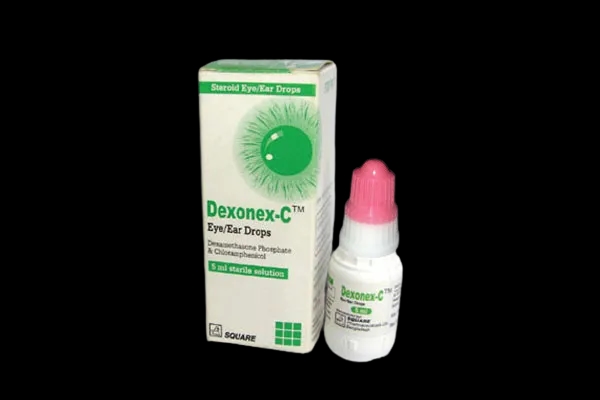
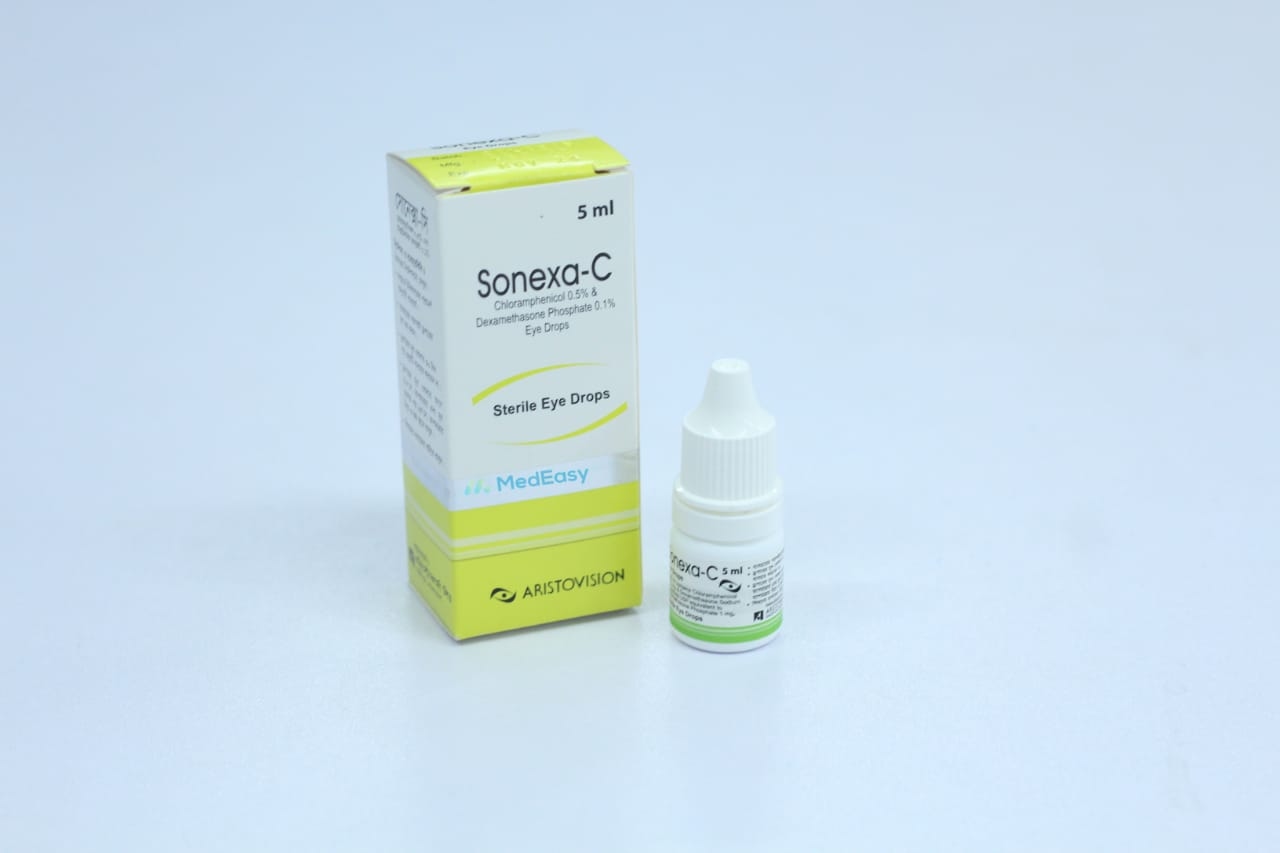
Sonexa C0.1%+0.5%
Aristopharma Ltd.
৳64.40
Add to cart


Decalor is an ophthalmic (eye) combination of a corticosteroid and a broad-spectrum antibiotic. It is indicated for steroid-responsive inflammatory ocular conditions in which there is a bacterial infection or a risk of bacterial infection.
Decalor is intended for short-term use under medical supervision. It is not intended for infections of the eye caused by viruses, fungi, or mycobacteria (see Contraindications), and it should not be used simply as a general-purpose eye drop for undiagnosed red or irritated eyes.
Each mL of ophthalmic solution (eye drop) typically contains Dexamethasone (as sodium phosphate) 1 mg (0.1% w/v) and Chloramphenicol 5 mg (0.5% w/v). An ophthalmic ointment form with corresponding strengths may also be available. Exact strength and formulation should be confirmed on the product label.
Decalor is a fixed-dose combination ophthalmic preparation that pairs a potent synthetic glucocorticoid (dexamethasone) with a broad-spectrum bacteriostatic antibiotic (chloramphenicol). It is formulated as eye drops (and sometimes eye ointment) for topical application to the eye.
The corticosteroid component suppresses inflammation, redness, swelling, and allergic-type reactions of the ocular surface, while the antibiotic component treats or prevents bacterial infection that may accompany the inflammatory condition or be introduced during a course of steroid therapy. The combination is intended for short courses under ophthalmologic or physician supervision rather than long-term or unsupervised use.
Decalor belongs to the therapeutic class of Ophthalmic Corticosteroid + Antibiotic combinations, combining an anti-inflammatory corticosteroid (glucocorticoid) with a broad-spectrum antibacterial agent for topical ocular use.
Dexamethasone is a synthetic glucocorticoid that suppresses the inflammatory response by inhibiting the release of inflammatory mediators (prostaglandins, leukotrienes), reducing capillary permeability, and suppressing migration of inflammatory cells (leukocytes, macrophages) to the site of injury. This reduces the classic signs of ocular inflammation: edema, redness, and cellular infiltration.
Chloramphenicol is a broad-spectrum antibiotic that is bacteriostatic (and bactericidal at higher concentrations against some organisms). It inhibits bacterial protein synthesis by binding reversibly to the 50S ribosomal subunit, blocking peptidyl transferase activity. It is active against a wide range of Gram-positive and Gram-negative organisms commonly implicated in bacterial conjunctivitis, including Staphylococcus species, Streptococcus pneumoniae, Haemophilus influenzae, and Escherichia coli.
When Dexamethasone + Chloramphenicol is applied topically to the eye, systemic absorption is generally low, but some systemic absorption can occur, particularly with prolonged use, broken corneal epithelium, or use in infants.
Decalor is for ophthalmic (eye) use only and must be used exactly as prescribed by a physician.
| Phase | Dose |
|---|---|
| Initial (first 24-48 hours) | 1-2 drops into the affected eye(s) every 2 hours while awake |
| Maintenance (as condition improves) | 1-2 drops 4 times daily, tapering gradually as directed by the physician |
The treating physician may prescribe a more intensive initial regimen (e.g. drops as often as every 15-30 minutes for the first hours), tapering as inflammation and infection are controlled. Do not adjust the frequency without medical advice.
A small ribbon (approximately 1 cm) applied to the lower conjunctival sac 2-3 times daily, or at bedtime in addition to daytime drops, as directed.
Treatment is generally short-term (typically not exceeding 7-10 days) unless a physician specifically directs longer use with monitoring, because of the risks of prolonged corticosteroid use to the eye (see Precautions and Warnings). Take exactly as prescribed by your physician; do not stop, extend, skip doses, or share this medicine with others without medical advice.
Decalor has limited clinically significant drug interactions when used topically in the eye, but the following should be noted:
Always inform your physician or pharmacist about all other medicines, including other eye drops, being used.
Dexamethasone + Chloramphenicol is contraindicated in:
Most side effects of Decalor are local and mild-to-moderate, related to the site of application.
Report any unusual bruising, bleeding, sore throat, fever, or signs of infection promptly to a physician.
Decalor should be used during pregnancy only if the potential benefit to the mother justifies the potential risk to the fetus. Systemic absorption from topical ophthalmic use is generally low, but corticosteroids have been associated with fetal effects in animal studies when given systemically at high doses, and chloramphenicol carries theoretical concerns (including “gray baby syndrome”) that are primarily linked to systemic, not topical ophthalmic, exposure. Use only under medical supervision and for the shortest effective duration.
It is not known whether topically applied dexamethasone or chloramphenicol are excreted in clinically significant amounts in human breast milk. Caution is advised when prescribing to breastfeeding mothers; consult a physician before use during lactation.
Prolonged use of Decalor can result in elevated intraocular pressure and glaucoma with optic nerve damage, and posterior subcapsular cataract formation. Intraocular pressure should be monitored if used for more than 10 days.
Use of corticosteroids in the presence of undiagnosed infection may mask signs of infection or enhance existing infection. In diseases causing corneal or scleral thinning, perforation has occurred with topical steroid use. If a corneal lesion fails to improve after use, fungal infection should be suspected and appropriate testing performed; prolonged corticosteroid use may enhance fungal or viral ocular infection.
Serious, rare, and sometimes fatal blood disorders (aplastic anemia, bone marrow suppression) have been reported very rarely in association with chloramphenicol, including in isolated case reports following topical ophthalmic use, although current evidence indicates the absolute risk with eye drops is extremely low. As a precaution, Decalor should be used only as prescribed, for the shortest necessary duration, and any unusual bruising, bleeding, persistent sore throat, mouth ulcers, or fever during or after treatment should be reported to a physician promptly. Take exactly as prescribed by your physician; do not stop, extend, skip doses, or share this medicine with others without medical advice.
This product is for ophthalmic (topical eye) use only. It must not be injected or used in any route other than as directed on the label.
As with other antibiotic preparations, prolonged use may result in overgrowth of non-susceptible organisms, including fungi. If super-infection occurs, discontinue use and institute appropriate alternative therapy.
Avoid wearing contact lenses during treatment unless otherwise directed by a physician.
Topical ocular overdose (e.g. excessive drops) is unlikely to cause serious systemic toxicity but may cause increased local irritation. If excessive drops are accidentally instilled, the eye may be flushed with lukewarm water.
If the product is accidentally ingested or a child swallows a significant amount, seek immediate medical attention or contact a poison control center/emergency services right away. Do not attempt home treatment for accidental ingestion; take the product container with you to the healthcare facility if possible.
Store at room temperature (below 30°C), away from light and moisture. Do not freeze. Keep the container tightly closed when not in use. Discard any remaining product 4 weeks (28-30 days) after opening, as recommended for most multi-dose ophthalmic preparations, or per the manufacturer's specific instructions. Keep out of reach of children.
Safety and efficacy of Decalor in neonates and young infants have not been well established, and caution is advised due to a theoretical risk of increased systemic absorption in this age group. Use in children should be under close medical supervision, for the shortest effective duration.
No specific dose adjustment is generally required in elderly patients; use as directed by the physician with routine monitoring for intraocular pressure and cataract if long-term use is needed.
Because systemic absorption from topical ocular use is low, no specific dosage adjustment is generally required for renal or hepatic impairment; however, caution and physician guidance are advised, particularly with prolonged or frequent use.
Treatment with Decalor is generally intended for short-term use, typically not exceeding 7-10 days, and should be reassessed by a physician if longer therapy is being considered, due to the cumulative risks of corticosteroid-related ocular side effects with prolonged use. Do not use for longer than the duration prescribed.
Ophthalmic Corticosteroid; Ophthalmic Antibiotic (Amphenicol class)
Dexamethasone acts as a glucocorticoid receptor agonist, suppressing inflammatory mediator release and immune cell migration to reduce ocular inflammation. Chloramphenicol acts by binding to the bacterial 50S ribosomal subunit, inhibiting peptidyl transferase and blocking bacterial protein synthesis, resulting in a bacteriostatic (and at higher local concentrations, bactericidal) effect against susceptible organisms.
C
Use of Decalor in children should be under close physician supervision. Safety and efficacy in neonates and infants have not been formally established, and this age group may have relatively greater systemic absorption from ocular tissue. When prescribed for a child, use the lowest effective dose for the shortest necessary duration and follow the physician's instructions precisely.
Q: What is Decalor 0.1%+0.5% Ophthalmic Solution used for?
A: Decalor 0.1%+0.5% Ophthalmic Solution eye drops are used to treat steroid-responsive inflammatory conditions of the eye, such as allergic conjunctivitis, keratitis, and iritis, when there is also a bacterial infection or a risk of one, such as in acute bacterial conjunctivitis.
Q: Can I use Decalor 0.1%+0.5% Ophthalmic Solution for any red or itchy eye?
A: No. Decalor 0.1%+0.5% Ophthalmic Solution should only be used for a diagnosed condition as prescribed by a physician. It must not be used for viral eye infections such as herpes simplex keratitis, fungal eye infections, or mycobacterial (tuberculous) eye infections, as the corticosteroid component can worsen these conditions.
Q: How long can I use Decalor 0.1%+0.5% Ophthalmic Solution?
A: Treatment is usually short-term, typically not more than 7-10 days, unless your physician specifically instructs otherwise with monitoring. Prolonged use of Decalor 0.1%+0.5% Ophthalmic Solution increases the risk of raised eye pressure (glaucoma), cataract, and secondary infection. Take exactly as prescribed by your physician; do not stop, extend, skip doses, or share this medicine with others without medical advice.
Q: Is there a risk of serious blood problems with Decalor 0.1%+0.5% Ophthalmic Solution eye drops?
A: Chloramphenicol, one component of Decalor 0.1%+0.5% Ophthalmic Solution, has very rarely been associated with serious blood disorders such as aplastic anemia, including in isolated case reports after topical eye use. However, current evidence suggests this risk is extremely low with eye drops compared to oral or injectable chloramphenicol. Report any unusual bruising, bleeding, persistent sore throat, or fever to your physician promptly.
Q: Can Decalor 0.1%+0.5% Ophthalmic Solution be used during pregnancy or breastfeeding?
A: Decalor 0.1%+0.5% Ophthalmic Solution should be used during pregnancy only if the potential benefit justifies the potential risk to the fetus, and only under medical supervision. Caution is also advised during breastfeeding. Always consult a physician before use if you are pregnant, planning pregnancy, or breastfeeding.
Q: How should I apply Decalor 0.1%+0.5% Ophthalmic Solution eye drops correctly?
A: Wash your hands, tilt your head back, gently pull down the lower eyelid, and instil the prescribed number of drops without touching the dropper tip to the eye. Close your eyes gently for 1-2 minutes and press lightly at the inner corner of the eye to reduce absorption into the body. Do not share your bottle with others, and discard it as advised after opening.
Disclaimer
The information provided is accurate to the best of our knowledge, but it does not replace professional medical advice. We cannot guarantee its completeness or accuracy, and the absence of specific information about a drug should not be taken as an endorsement. We are not responsible for any consequences arising from this information, so please consult a healthcare professional for any concerns or questions.