Generic medicine

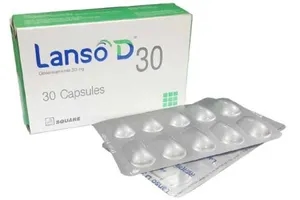
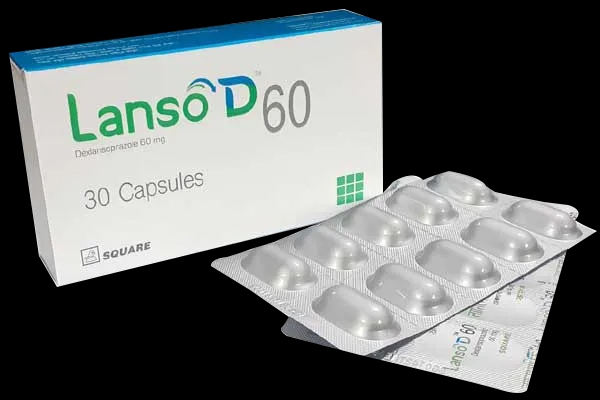
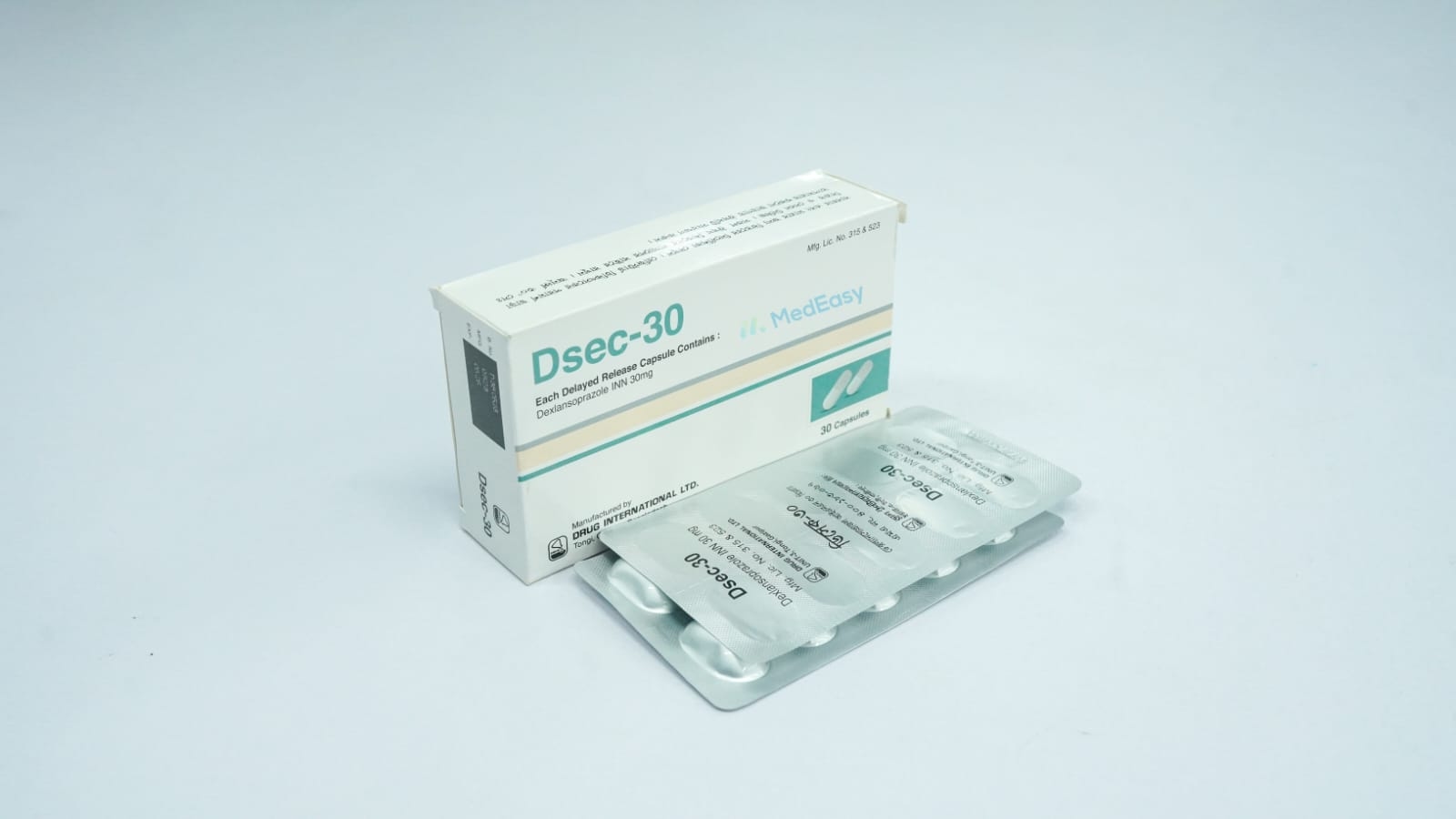
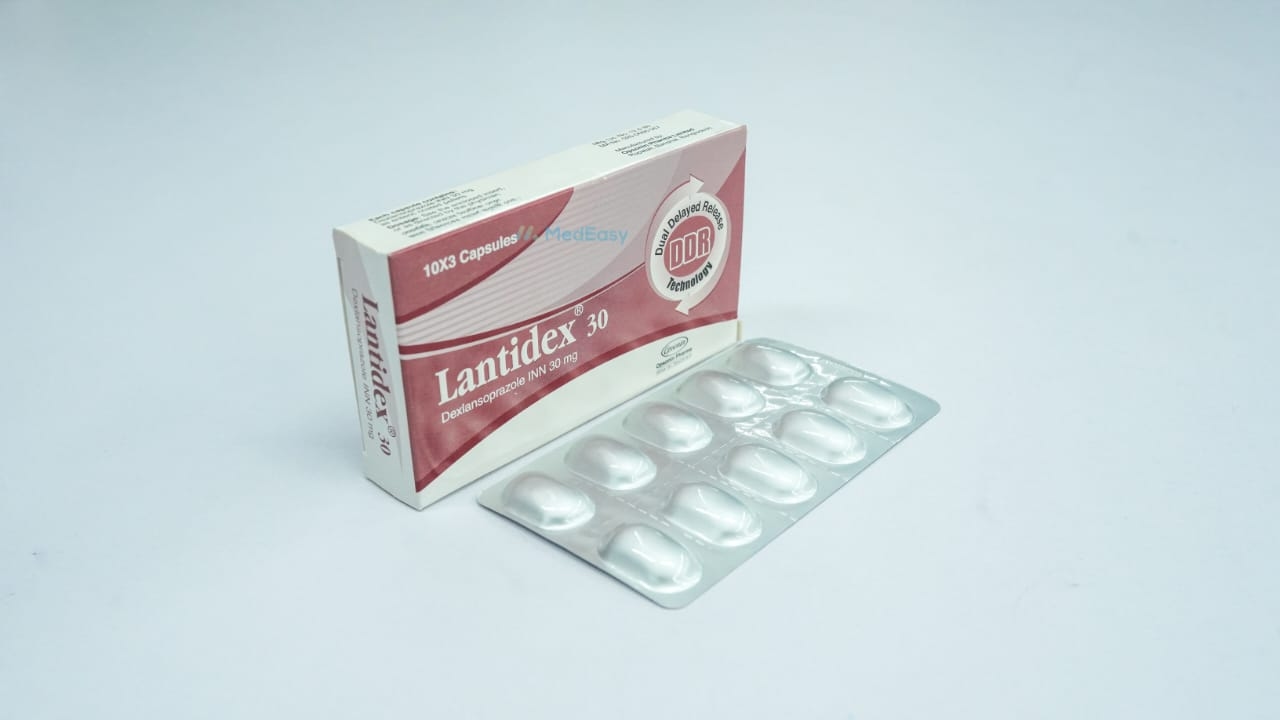
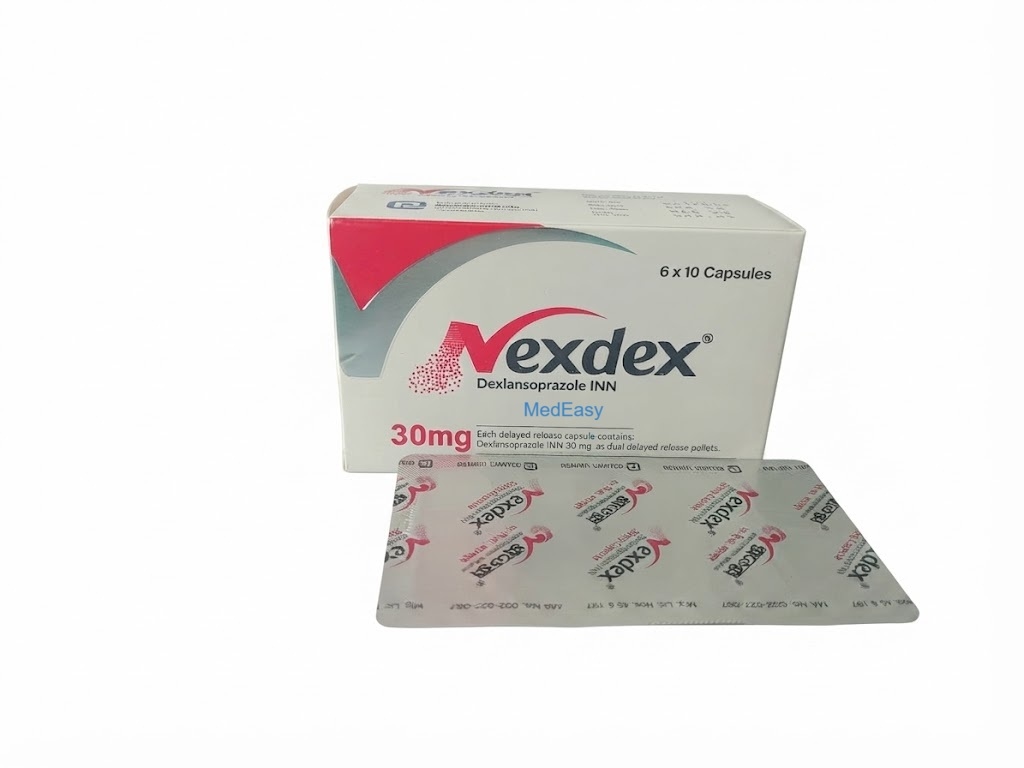
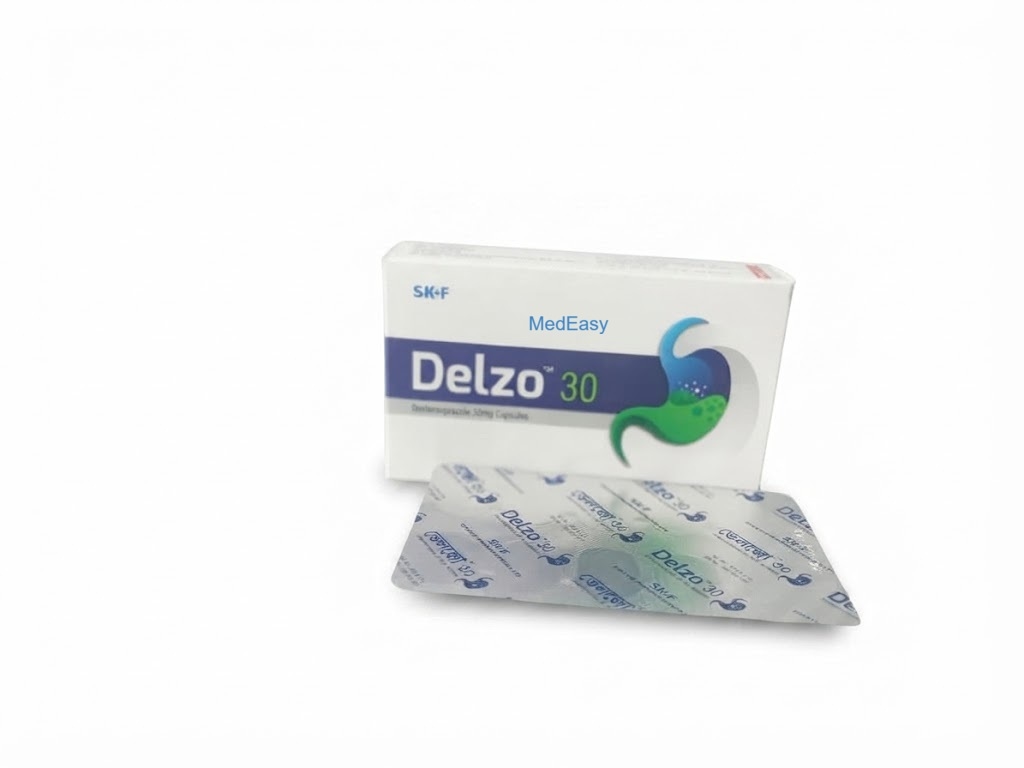
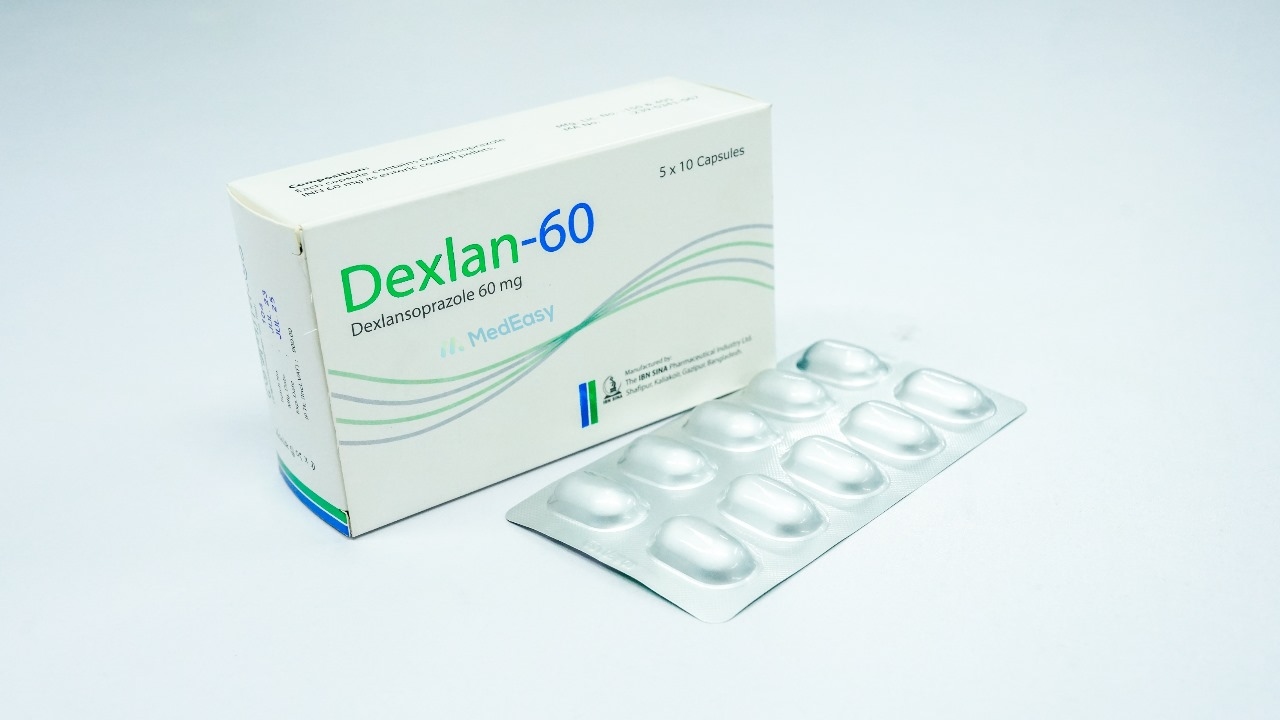
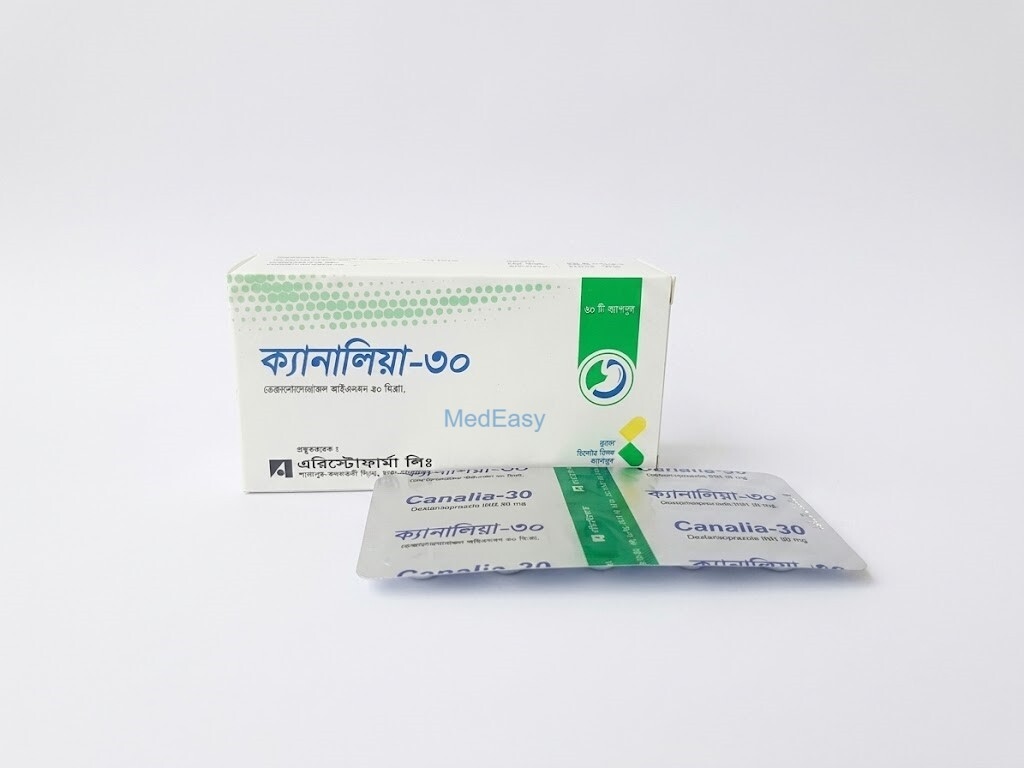
Dexlansoprazole: Brands, Price & Uses in Bangladesh

Erosive Esophagitis (EE) Dexlansoprazole is an established, FDA-approved indication for healing of all grades of erosive esophagitis for up to 8 weeks in adults and adolescents 12 years of age and…

Forms:CapsuleCapsule (Enteric Coated)Capsule (Enteric Coated Pellets)Capsule (Delayed Release)

About Dexlansoprazole

Indications of Dexlansoprazole

Erosive Esophagitis (EE)

Dexlansoprazole is an established, FDA-approved indication for healing of all grades of erosive esophagitis for up to 8 weeks in adults and adolescents 12 years of age and older. Dexlansoprazole is also indicated for maintenance of healed erosive esophagitis and relief of heartburn for up to 6 months in adults (up to 16 weeks in patients 12 to 17 years of age).

Symptomatic Non-Erosive Gastroesophageal Reflux Disease (GERD)

Dexlansoprazole is an established indication for treatment of heartburn associated with symptomatic non-erosive GERD for 4 weeks in adults and adolescents 12 years of age and older.

Dosage & Administration of Dexlansoprazole

The dose and duration of Dexlansoprazole treatment depend on the specific condition being treated and must be determined by a qualified healthcare professional; the information below is general prescribing guidance and is not a substitute for individual medical advice.

Side Effects of Dexlansoprazole

Common Side Effects

Diarrhea, abdominal pain, nausea, upper respiratory tract infection, vomiting, and flatulence are the most commonly reported side effects of Dexlansoprazole. In adolescents (12-17 years), headache, abdominal pain, diarrhea, nasopharyngitis, and oropharyngeal pain have also been reported with Dexlansoprazole.

Serious Side Effects - Seek Medical Attention

  • Signs of a severe allergic reaction (anaphylaxis) such as swelling of the face or throat, severe rash, or difficulty breathing.
  • Severe skin reactions such as Stevens-Johnson syndrome or toxic epidermal necrolysis (blistering or peeling skin).
  • Signs of kidney problems (acute tubulointerstitial nephritis), such as decreased urination, blood in urine, or swelling.
  • Persistent, watery, or bloody diarrhea, which may indicate Clostridioides difficile-associated diarrhea (see Precautions and Warnings).
  • Signs of liver problems, such as yellowing of the skin or eyes, dark urine, or severe abdominal pain.
  • New or worsening joint pain with a rash on the cheeks or arms that worsens in sunlight (possible cutaneous or systemic lupus erythematosus).
  • Signs of low magnesium, such as seizures, irregular heartbeat, tremors, or muscle spasms, particularly with long-term Dexlansoprazole use (see Precautions and Warnings).
  • A bone fracture, particularly of the hip, wrist, or spine, associated with long-term Dexlansoprazole use (see Precautions and Warnings).

Contraindications of Dexlansoprazole

  • Known hypersensitivity to Dexlansoprazole or to any other proton pump inhibitor, or to any component of the Dexlansoprazole formulation.
  • Concurrent use with rilpivirine-containing products.

Frequently Asked Questions about Dexlansoprazole

What is Dexlansoprazole used for?

Dexlansoprazole is used to heal erosive esophagitis (acid-related damage to the food pipe), to maintain healing of erosive esophagitis and relieve heartburn, and to treat heartburn caused by symptomatic non-erosive gastroesophageal reflux disease (GERD).

How should Dexlansoprazole be taken?

Dexlansoprazole is usually taken once daily, by mouth, with or without food, and the capsule should be swallowed whole. If the capsule cannot be swallowed whole, Dexlansoprazole can be opened and sprinkled on applesauce, as directed by a doctor.

What is the usual dose of Dexlansoprazole?

The dose of Dexlansoprazole depends on the condition being treated - commonly Dexlansoprazole 60 mg once daily for healing erosive esophagitis, or Dexlansoprazole 30 mg once daily for maintenance therapy or non-erosive GERD - but the exact dose must be determined by a healthcare professional.

Can Dexlansoprazole be taken with clopidogrel?

Dexlansoprazole may cause a modest reduction in the activation of clopidogrel through a CYP2C19-related interaction; in clinical studies this reduction was small and not considered clinically significant, but patients taking clopidogrel should inform their doctor before starting Dexlansoprazole.

Is Dexlansoprazole safe during pregnancy?

The safety of Dexlansoprazole during pregnancy has not been fully established in humans; animal studies with Dexlansoprazole showed some effects on fetal bone development. Dexlansoprazole should be used in pregnancy only when a healthcare professional determines the benefit outweighs the potential risk.

Can children take Dexlansoprazole?

Dexlansoprazole is approved only for patients 12 years of age and older; Dexlansoprazole is not recommended for children under 2 years of age and has not been shown to be effective in infants younger than 1 year with symptomatic GERD.

What are the common side effects of Dexlansoprazole?

The most common side effects of Dexlansoprazole include diarrhea, abdominal pain, nausea, vomiting, flatulence, and upper respiratory tract infection.

Is it safe to use Dexlansoprazole for a long time?

Long-term use of Dexlansoprazole, like other proton pump inhibitors, has been associated with increased risks of bone fracture, low magnesium levels, vitamin B12 deficiency, and Clostridioides difficile-associated diarrhea; Dexlansoprazole should be used at the lowest effective dose for the shortest duration necessary, under medical supervision.

What should be done if a dose of Dexlansoprazole is missed?

If a dose of Dexlansoprazole is missed, take it as soon as remembered; however, if it is almost time for the next dose, skip the missed dose and continue the regular schedule. Do not take two doses of Dexlansoprazole at the same time.

Disclaimer

The information provided is accurate to the best of our knowledge, but it does not replace professional medical advice. We cannot guarantee its completeness or accuracy, and the absence of specific information about a drug should not be taken as an endorsement. We are not responsible for any consequences arising from this information, so please consult a healthcare professional for any concerns or questions.

DoctorBlogArticles