10% Off
Voltalin50 mg
Novartis (Bangladesh) Ltd.
৳54.00
Add to cart
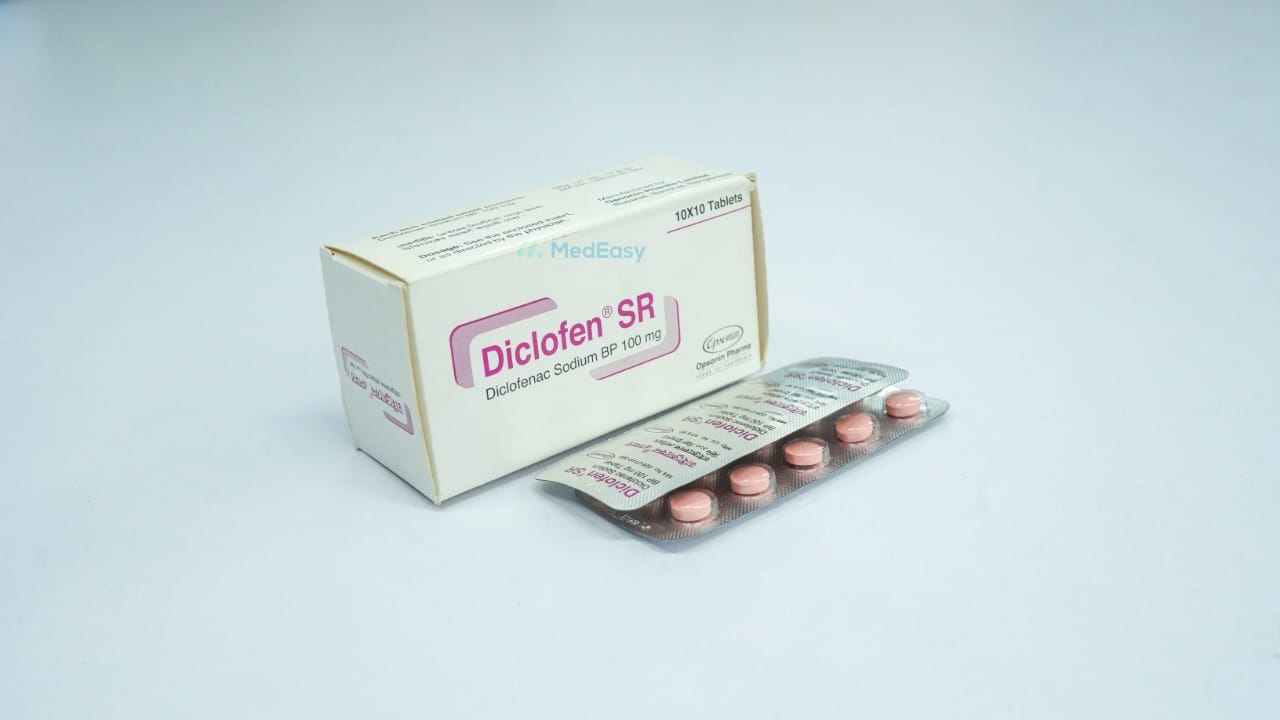
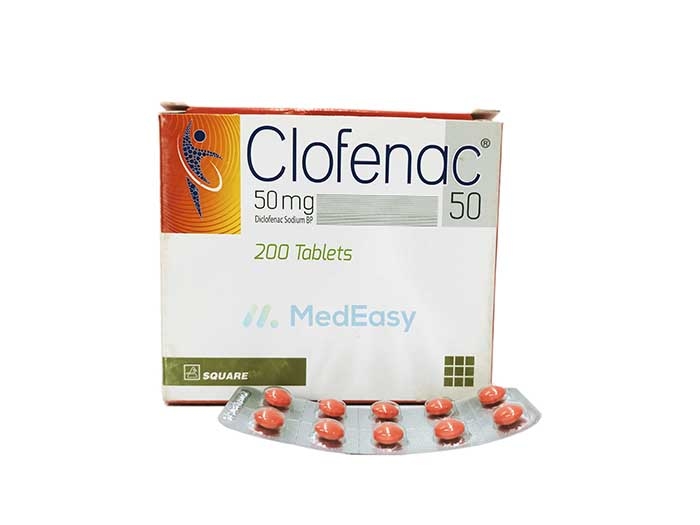
Diclofenac Sodium is a non-steroidal anti-inflammatory drug (NSAID) used for the relief of pain and inflammation in a range of musculoskeletal and gynecological conditions.
Diclofenac Sodium is a non-steroidal anti-inflammatory drug (NSAID) used for the relief of pain and inflammation in a range of musculoskeletal and gynecological conditions.
Diclofenac Sodium is not an antibiotic and has no role in treating infections.
| Indication | Typical Adult Dose |
|---|---|
| Osteoarthritis | 100-150 mg/day in 2-3 divided doses |
| Rheumatoid arthritis | 150-200 mg/day in 3-4 divided doses |
| Ankylosing spondylitis | 100-125 mg/day in divided doses |
| Acute musculoskeletal pain | 50 mg 2-3 times daily, short-term |
| Primary dysmenorrhea | 50-100 mg initially, then 50 mg every 8 hours as needed |
The lowest effective dose should be used for the shortest duration consistent with the treatment goal, due to cardiovascular and gastrointestinal risks (see Precautions and Warnings). Sustained-release/enteric-coated tablets should be swallowed whole, not crushed or chewed, and are best taken with food or milk to reduce gastric irritation.
For juvenile rheumatoid/idiopathic arthritis (where locally approved), doses of approximately 1-3 mg/kg/day in divided doses have been used under specialist supervision. Safety and efficacy of oral Diclofenac Sodium have not been established for general pediatric use in many markets; use only under pediatric specialist guidance.
Use the lowest effective dose with caution in patients with mild-to-moderate renal or hepatic impairment; avoid use in severe renal or hepatic impairment. Monitor renal and liver function during prolonged therapy.
Most adverse effects of Diclofenac Sodium are mild and transient, but some can be serious. Common side effects include:
Less common but serious effects include gastrointestinal ulceration/bleeding/perforation, cardiovascular thrombotic events (myocardial infarction, stroke), hepatotoxicity, renal impairment, hypertension, anaphylactic reactions, and severe skin reactions (Stevens-Johnson syndrome, toxic epidermal necrolysis). See Precautions and Warnings for details.
Diclofenac Sodium is contraindicated in the following situations:
Disclaimer
The information provided is accurate to the best of our knowledge, but it does not replace professional medical advice. We cannot guarantee its completeness or accuracy, and the absence of specific information about a drug should not be taken as an endorsement. We are not responsible for any consequences arising from this information, so please consult a healthcare professional for any concerns or questions.