10% Off
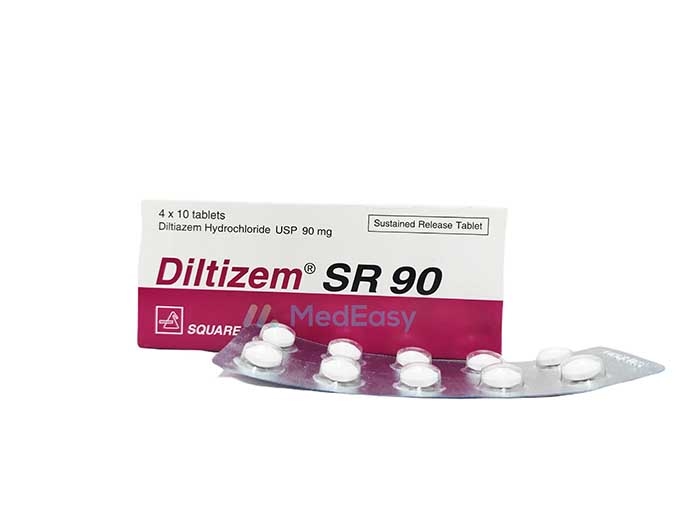
Cardizem-SR90 mg
Drug International Ltd.
৳54.00
Add to cart
Diltiazem Hydrochloride is a non-dihydropyridine calcium channel blocker indicated for the following conditions and more.
Diltiazem Hydrochloride is a non-dihydropyridine calcium channel blocker indicated for the following conditions, classified by strength of evidence:
Use of Diltiazem Hydrochloride should always be individualized and guided by a physician's assessment.
Dosage of Diltiazem Hydrochloride must be individualized based on indication, formulation, and patient response. General guidance is summarized below; the prescriber's instructions and product labeling should always be followed.
| Indication | Typical adult dosing |
|---|---|
| Hypertension (extended-release) | Initial 120-180 mg once daily, titrated over 2 weeks as needed; usual maintenance range 120-360 mg once daily (maximum per product labeling, commonly up to 360-540 mg/day depending on formulation). |
| Chronic stable angina (immediate-release) | 30 mg four times daily before meals and at bedtime, titrated over 1-2 days to a usual range of 180-360 mg/day in divided doses. |
| Chronic stable/vasospastic angina (extended-release) | 120-180 mg once daily, titrated to a usual maintenance dose of 120-320 mg once daily. |
| Atrial fibrillation/flutter - acute rate control (IV, hospital setting only) | Initial IV bolus followed by continuous infusion as determined by the treating physician, with continuous cardiac monitoring; not for home/self-administration. |
| Atrial fibrillation/flutter - chronic rate control (oral) | Individualized oral dosing, generally similar to angina/hypertension dosing ranges, guided by heart rate response. |
Diltiazem Hydrochloride is extensively metabolized by the liver; patients with hepatic impairment should be started at the lower end of the dosing range with careful titration and monitoring. Dose adjustment based on renal impairment alone is not well established, but caution and clinical monitoring are advised.
Elderly patients may show reduced clearance of Diltiazem Hydrochloride; a lower starting dose with careful titration is recommended.
Common and serious side effects reported with Diltiazem Hydrochloride include:
Patients should seek prompt medical attention for symptoms such as fainting, severe dizziness, very slow heartbeat, or signs of an allergic reaction.
Diltiazem Hydrochloride is contraindicated in patients with:
Disclaimer
The information provided is accurate to the best of our knowledge, but it does not replace professional medical advice. We cannot guarantee its completeness or accuracy, and the absence of specific information about a drug should not be taken as an endorsement. We are not responsible for any consequences arising from this information, so please consult a healthcare professional for any concerns or questions.