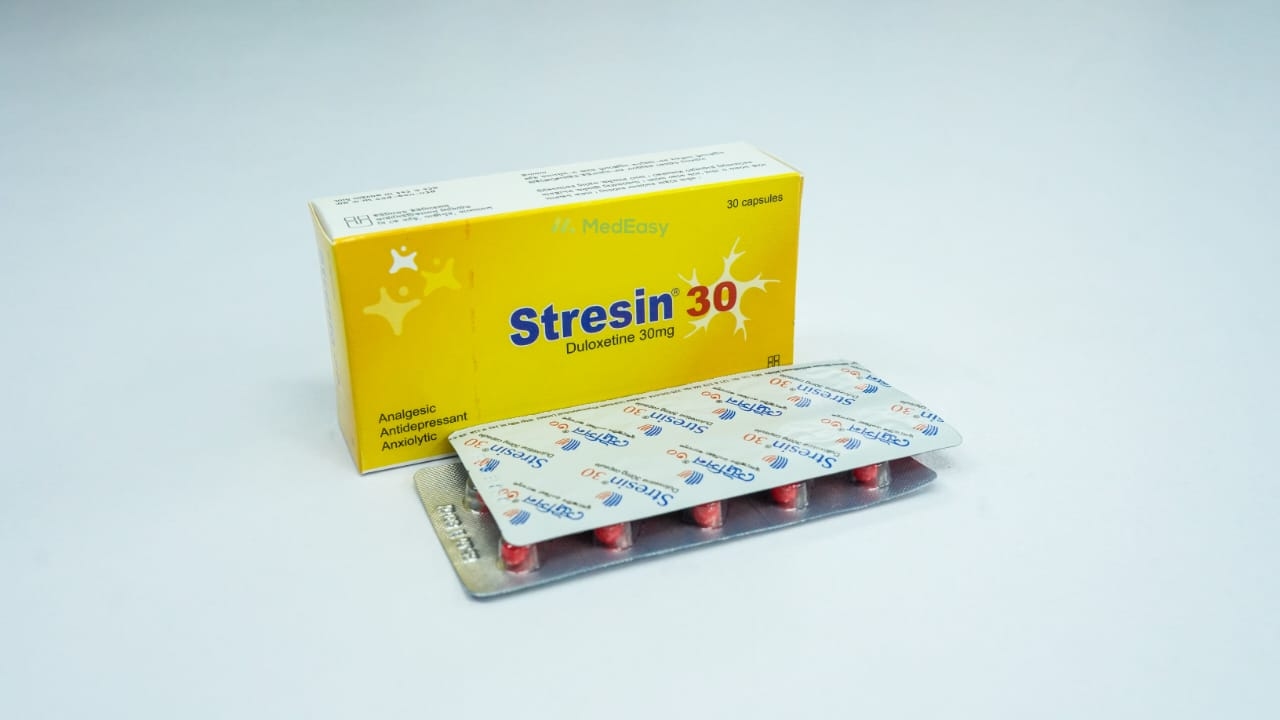
Generic medicine

Duloxetine Hydrochloride: Brands, Price & Uses in Bangladesh

Duloxetine Hydrochloride is a serotonin-norepinephrine reuptake inhibitor (SNRI) with the following evidence-based indications: Established / Approved Uses Major depressive disorder (MDD) in adults.

Forms:CapsuleTablet

About Duloxetine Hydrochloride

Indications of Duloxetine Hydrochloride

Duloxetine Hydrochloride is a serotonin-norepinephrine reuptake inhibitor (SNRI) with the following evidence-based indications:

Established / Approved Uses

  • Major depressive disorder (MDD) in adults.
  • Generalized anxiety disorder (GAD) in adults and in pediatric patients 7 years of age and older.
  • Diabetic peripheral neuropathic pain (DPNP) in adults.
  • Fibromyalgia in adults and in pediatric patients 13 years of age and older.
  • Chronic musculoskeletal pain (including chronic low back pain and osteoarthritis pain) in adults.

Guideline-Supported / Adjunct Use

  • Used as part of a multimodal pain-management plan for chronic musculoskeletal and neuropathic pain, often alongside non-pharmacological measures (physiotherapy, exercise, psychological therapy).

Off-Label Use (not FDA-approved, but supported by some clinical evidence)

  • Stress urinary incontinence.
  • Chemotherapy-induced peripheral neuropathy (pain).
  • Other neuropathic pain syndromes at the discretion of the treating physician.

The exact indication and dose should always be decided by a qualified physician based on individual assessment.

Dosage & Administration of Duloxetine Hydrochloride

Duloxetine Hydrochloride should be taken exactly as prescribed. Dosing is individualized by indication, age, and hepatic/renal status.

IndicationStarting DoseTarget/Usual DoseMaximum Dose
Major depressive disorder (adults)40–60 mg/day (single or divided dose)60 mg once daily120 mg/day
Generalized anxiety disorder (adults <65 yrs)60 mg once daily60 mg once daily120 mg/day
Generalized anxiety disorder (elderly ≥65 yrs)30 mg once daily60 mg once daily120 mg/day
Diabetic peripheral neuropathic pain60 mg once daily60 mg once daily60 mg/day
Fibromyalgia (adults)30 mg once daily for 1 week60 mg once daily60 mg/day
Chronic musculoskeletal pain (adults)30 mg once daily for 1 week60 mg once daily60 mg/day
GAD, pediatric (7–17 years)30 mg once daily for 2 weeks30–60 mg once daily120 mg/day
Fibromyalgia, pediatric (13–17 years)30 mg once daily for 1 week60 mg once daily60 mg/day

Renal/Hepatic Adjustment

  • Severe renal impairment (creatinine clearance <30 mL/min): Avoid use of Duloxetine Hydrochloride.
  • Chronic liver disease or hepatic impairment: Avoid use of Duloxetine Hydrochloride, as it is extensively hepatically metabolized and carries a hepatotoxicity risk.

Stopping Treatment

Duloxetine Hydrochloride should never be stopped abruptly; the dose should be tapered gradually over at least 1–2 weeks (longer if needed) under physician guidance to reduce the risk of discontinuation symptoms. See Precautions and Warnings.

Side Effects of Duloxetine Hydrochloride

Side effects of Duloxetine Hydrochloride range from common and mild to rare but serious.

Common Side Effects

  • Nausea
  • Dry mouth
  • Somnolence (drowsiness)
  • Constipation
  • Decreased appetite
  • Increased sweating (hyperhidrosis)
  • Dizziness
  • Fatigue
  • Sexual dysfunction (delayed ejaculation, erectile dysfunction, decreased libido)

Serious Side Effects (require prompt medical attention)

  • Suicidal thoughts or behavior, especially in children, adolescents, and young adults (see Precautions).
  • Signs of liver injury: yellowing of skin/eyes, dark urine, right upper abdominal pain.
  • Serotonin syndrome: agitation, confusion, rapid heart rate, muscle rigidity, high fever.
  • Unusual bleeding or bruising.
  • Severe dizziness or fainting on standing (orthostatic hypotension).
  • Eye pain, vision changes, or halos around lights (possible angle-closure glaucoma).
  • Seizures.
  • Difficulty urinating.

Contraindications of Duloxetine Hydrochloride

Duloxetine Hydrochloride is contraindicated in the following situations:

  • Known hypersensitivity to duloxetine or any component of the formulation.
  • Concomitant use with monoamine oxidase inhibitors (MAOIs), or use within 14 days of stopping an MAOI (and MAOIs should not be started within 5 days of stopping Duloxetine Hydrochloride).
  • Initiation of Duloxetine Hydrochloride in a patient being treated with linezolid or intravenous methylene blue, due to the risk of serotonin syndrome.
  • Uncontrolled narrow-angle (angle-closure) glaucoma.

Frequently Asked Questions about Duloxetine Hydrochloride

What is Duloxetine Hydrochloride used for?

Duloxetine Hydrochloride is an SNRI medicine used to treat major depressive disorder, generalized anxiety disorder, diabetic nerve pain, fibromyalgia, and chronic musculoskeletal pain such as chronic low back pain or osteoarthritis pain.

How long does it take for Duloxetine Hydrochloride to work?

Some effects on pain may be noticed within 1-2 weeks, but the full antidepressant and anxiolytic effect of Duloxetine Hydrochloride may take 4-6 weeks of regular use. Do not stop taking it early just because you do not feel improvement immediately — discuss any concerns with your physician.

Can I stop taking Duloxetine Hydrochloride suddenly?

No. Duloxetine Hydrochloride should never be stopped abruptly, as this can cause discontinuation symptoms such as dizziness, nausea, headache, and irritability. Your physician will guide you on how to taper the dose gradually.

Is Duloxetine Hydrochloride safe during pregnancy or breastfeeding?

Duloxetine Hydrochloride should be used in pregnancy only if clearly needed, as the potential benefit must be weighed against potential risk to the baby, especially if used late in pregnancy. It also passes into breast milk in small amounts. Always consult your physician before using Duloxetine Hydrochloride if you are pregnant, planning pregnancy, or breastfeeding.

What should I avoid while taking Duloxetine Hydrochloride?

Avoid taking Duloxetine Hydrochloride together with monoamine oxidase inhibitors (MAOIs), and use caution with other serotonergic medicines, NSAIDs, aspirin, and blood thinners because of increased bleeding risk. Avoid substantial alcohol use because of the risk of liver injury. Always inform your physician of all medicines you are taking.

What are the serious warning signs I should watch for with Duloxetine Hydrochloride?

Seek immediate medical attention if you notice worsening mood or new suicidal thoughts (especially in children, teenagers, and young adults), yellowing of the skin or eyes, unusual bleeding, severe dizziness or fainting, eye pain or vision changes, or symptoms of serotonin syndrome such as agitation, rapid heartbeat, and muscle rigidity.

Disclaimer

The information provided is accurate to the best of our knowledge, but it does not replace professional medical advice. We cannot guarantee its completeness or accuracy, and the absence of specific information about a drug should not be taken as an endorsement. We are not responsible for any consequences arising from this information, so please consult a healthcare professional for any concerns or questions.

DoctorBlogArticles