10% Off
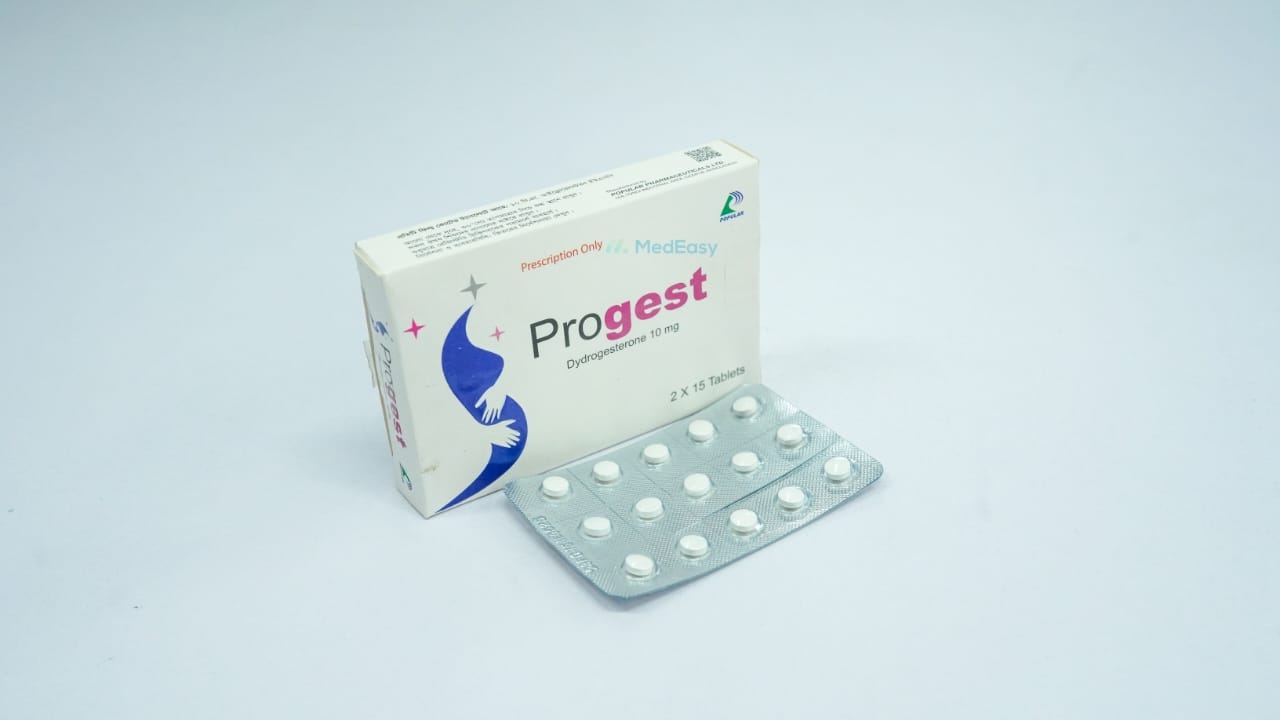
Progest10 mg
Popular Pharmaceuticals Ltd.
৳540.00
Add to cart
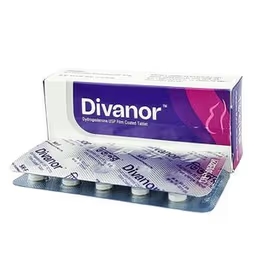
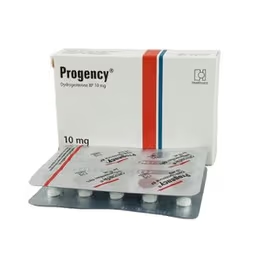
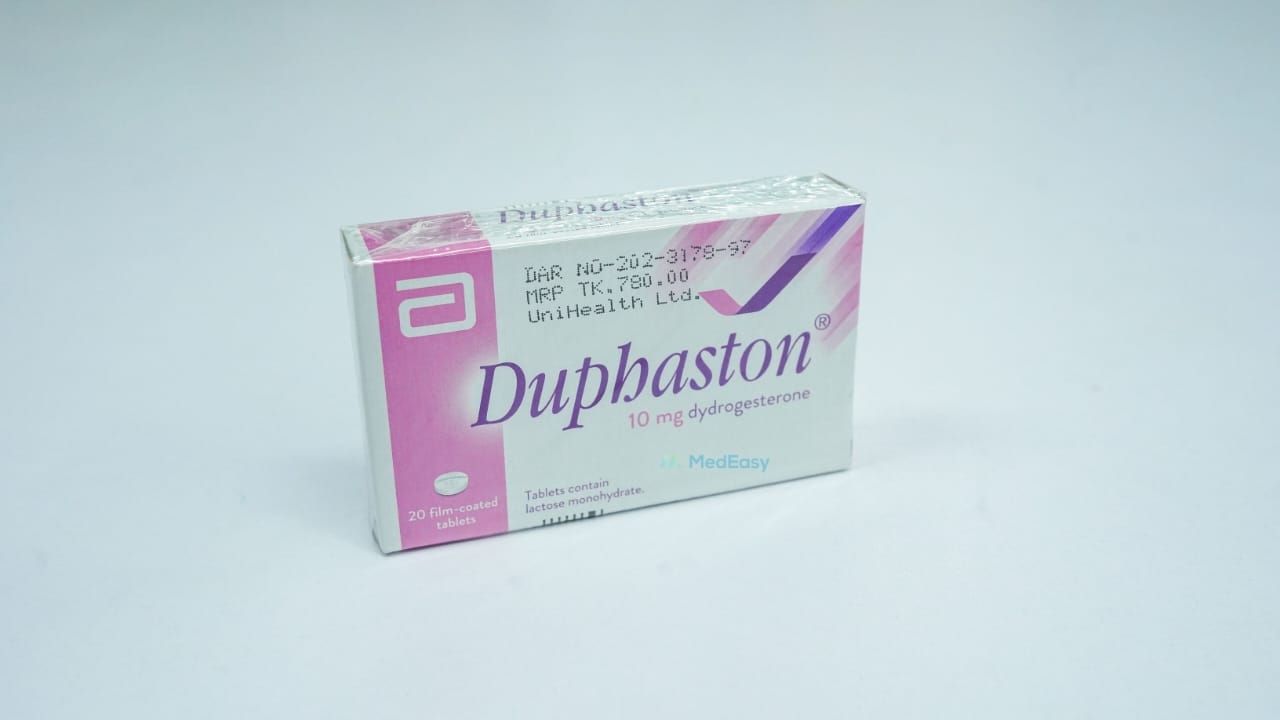
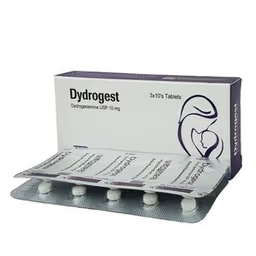
Dydrogesterone is a synthetic, orally active progestogen (a "retroprogesterone") used in a range of gynecological and obstetric conditions related to progesterone deficiency.
Dydrogesterone is a synthetic, orally active progestogen (a "retroprogesterone") used in a range of gynecological and obstetric conditions related to progesterone deficiency. Its indications can be grouped by strength of evidence and regulatory/guideline support as follows:
Note: Dydrogesterone is not approved by the US FDA and is not marketed in the United States; the uses above reflect labeling and guideline support in countries (including Bangladesh) where it is registered and prescribed. Any use should be individualized and supervised by a qualified physician.
The dose and duration of Dydrogesterone depend on the indication being treated and must be individualized by the prescribing physician. Representative adult dosing regimens used in practice are summarized below; local product labeling should be followed.
| Indication | Typical adult dose | Duration |
|---|---|---|
| Threatened miscarriage | 40 mg as a single dose, then 10 mg every 8 hours until symptoms resolve | Continue for about one week after symptoms subside; may be extended under specialist supervision |
| Recurrent (habitual) miscarriage | 10 mg twice daily | From before or early in pregnancy, continued up to around the 20th week under specialist supervision |
| Dysfunctional uterine bleeding (acute control) | 10 mg twice daily | 5–7 days |
| Dysfunctional uterine bleeding (prevention of recurrence) | 10 mg twice daily, days 11–25 of the cycle | Several cycles, reassessed periodically |
| Secondary amenorrhea | 10 mg twice daily, days 11–25 of the cycle, usually with an estrogen given days 1–25 | Several cycles |
| Endometriosis | 10 mg twice daily, continuously or from day 5–25 of the cycle | As directed, often several months |
| Premenstrual syndrome / dysmenorrhea | 10 mg twice daily, days 11–25 (PMS) or days 5–25 (dysmenorrhea) of the cycle | Several cycles |
| Infertility due to luteal insufficiency | 10 mg once daily, days 14–25 of the cycle | At least 6 consecutive cycles; continued into early pregnancy if conception occurs |
| Hormone replacement therapy (progestogen component) | 10 mg once daily for the last 12–14 days of the estrogen cycle (sequential regimen), or continuously as directed for continuous-combined regimens | As long as HRT is clinically indicated |
Tablets are taken orally, usually with water, with or without food, at approximately the same time(s) each day. See Administration for practical instructions and Use in Special Populations for hepatic/renal considerations.
Dydrogesterone is generally well tolerated. Reported adverse effects include:
Patients should report persistent or severe side effects, unexpected vaginal bleeding, or signs of an allergic reaction to their physician promptly.
Dydrogesterone is contraindicated in patients with:
These are true absolute contraindications; additional cautions relevant to specific situations (such as history of thromboembolic disease or hepatic impairment) are discussed under Precautions and Warnings.
Disclaimer
The information provided is accurate to the best of our knowledge, but it does not replace professional medical advice. We cannot guarantee its completeness or accuracy, and the absence of specific information about a drug should not be taken as an endorsement. We are not responsible for any consequences arising from this information, so please consult a healthcare professional for any concerns or questions.