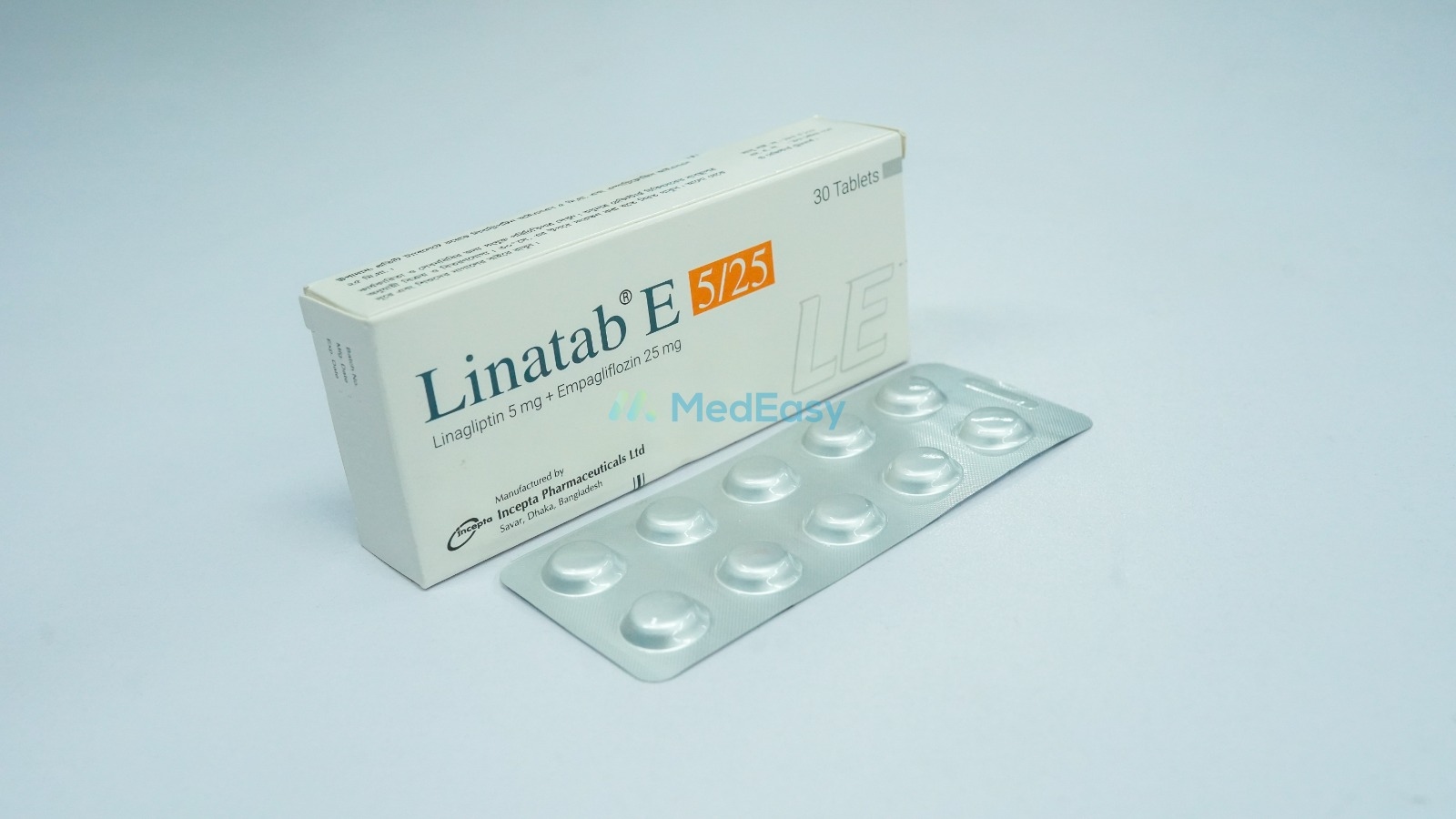
Generic medicine

Empagliflozin+ Linagliptin: Brands, Price & Uses in Bangladesh

Empagliflozin+ Linagliptin is a fixed-dose combination oral antidiabetic medicine used in the management of type 2 diabetes mellitus in adults.

Forms:Tablet

About Empagliflozin+ Linagliptin

Indications of Empagliflozin+ Linagliptin

Empagliflozin+ Linagliptin is a fixed-dose combination oral antidiabetic medicine used in the management of type 2 diabetes mellitus in adults. Its use should be guided by a physician after assessing kidney function and overall diabetes treatment needs.

  • Established/FDA-approved use: Empagliflozin+ Linagliptin is indicated as an adjunct to diet and exercise to improve glycemic control in adults with type 2 diabetes mellitus.
  • Combination-dependent use: Empagliflozin+ Linagliptin may be used together with other antidiabetic agents such as metformin, a sulfonylurea, or insulin when glycemic control is inadequate on those therapies alone, under physician supervision.
  • Not indicated for: Empagliflozin+ Linagliptin is not indicated for treatment of type 1 diabetes mellitus or diabetic ketoacidosis (see Contraindications and Precautions and Warnings).

Empagliflozin+ Linagliptin does not replace diet, exercise, and lifestyle modification, which remain the foundation of type 2 diabetes management.

Dosage & Administration of Empagliflozin+ Linagliptin

The dose of Empagliflozin+ Linagliptin must be individualized by a treating physician based on glycemic response, tolerability, and renal function.

Clinical scenarioTypical Empagliflozin+ Linagliptin regimen
Initial therapy in adults not adequately controlled on diet/exercise, metformin, or another antidiabetic agentEmpagliflozin 10 mg/Linagliptin 5 mg once daily in the morning
Inadequate glycemic response to the 10 mg/5 mg dose, with adequate renal functionMay be increased to Empagliflozin 25 mg/Linagliptin 5 mg once daily
Estimated GFR 30 to less than 45 mL/min/1.73 m2Empagliflozin+ Linagliptin is generally not recommended, as the empagliflozin component has reduced efficacy and increased risk in this range
Estimated GFR less than 30 mL/min/1.73 m2, end-stage renal disease, or dialysisEmpagliflozin+ Linagliptin is contraindicated (see Contraindications)
Concurrent use with insulin or a sulfonylureaA lower dose of the insulin or sulfonylurea may be needed to reduce hypoglycemia risk, per physician judgment

Renal function should be assessed before starting Empagliflozin+ Linagliptin and monitored periodically during treatment. Any dose change or discontinuation should only be made under physician guidance.

Side Effects of Empagliflozin+ Linagliptin

Most patients tolerate Empagliflozin+ Linagliptin reasonably well. Reported adverse effects include:

  • Common: Urinary tract infection, genital mycotic infections (vulvovaginal candidiasis in women, balanitis in men), nasopharyngitis, increased urination, increased thirst, and headache.
  • Less common: Nausea, back pain, arthralgia (joint pain, a recognized DPP-4 inhibitor class effect), and hypoglycemia (mainly when Empagliflozin+ Linagliptin is combined with insulin or a sulfonylurea).
  • Serious but uncommon: Diabetic ketoacidosis (which can occur with only mildly elevated or near-normal blood glucose), volume depletion/hypotension, acute kidney injury, urosepsis and pyelonephritis, necrotizing fasciitis of the perineum (Fournier's gangrene), acute pancreatitis, severe hypersensitivity reactions (anaphylaxis, angioedema), and bullous pemphigoid (see Precautions and Warnings).

Patients should seek prompt medical attention for unusual tiredness with nausea/vomiting and abdominal pain (possible ketoacidosis), signs of dehydration or fainting, severe genital or perineal pain/swelling with fever, or persistent severe abdominal pain while taking Empagliflozin+ Linagliptin.

Contraindications of Empagliflozin+ Linagliptin

Empagliflozin+ Linagliptin is contraindicated in the following situations:

  • Known hypersensitivity to empagliflozin, linagliptin, or any component of the formulation, including a history of serious hypersensitivity reactions (e.g., anaphylaxis, angioedema) to either component.
  • Severe renal impairment (estimated GFR less than 30 mL/min/1.73 m2), end-stage renal disease, or patients on dialysis, because the glucose-lowering effect of the empagliflozin component depends on adequate renal function.

Frequently Asked Questions about Empagliflozin+ Linagliptin

What is Empagliflozin+ Linagliptin used for?

Empagliflozin+ Linagliptin is a combination antidiabetic medicine used, together with diet and exercise, to improve blood glucose control in adults with type 2 diabetes mellitus. It combines empagliflozin (an SGLT2 inhibitor) and linagliptin (a DPP-4 inhibitor), each working differently to lower blood sugar.

Can Empagliflozin+ Linagliptin be used for type 1 diabetes?

No. Empagliflozin+ Linagliptin is not indicated for type 1 diabetes mellitus or for diabetic ketoacidosis; it is intended only for adults with type 2 diabetes mellitus.

What are the most common side effects of Empagliflozin+ Linagliptin?

The most commonly reported side effects of Empagliflozin+ Linagliptin include urinary tract infections, genital yeast infections, increased urination and thirst, nasopharyngitis (cold-like symptoms), and headache. Hypoglycemia can occur if Empagliflozin+ Linagliptin is combined with insulin or a sulfonylurea.

What warning signs should make me stop Empagliflozin+ Linagliptin and seek medical help?

Seek immediate medical attention if you develop nausea, vomiting, abdominal pain, and unusual tiredness (possible ketoacidosis, which can occur even with near-normal blood sugar), or severe pain, swelling, redness, or fever in the genital/perineal area (a rare but serious infection called Fournier's gangrene). Persistent severe abdominal pain could indicate pancreatitis and also needs prompt evaluation.

Is Empagliflozin+ Linagliptin safe during pregnancy or breastfeeding?

Empagliflozin+ Linagliptin is generally not recommended during pregnancy, especially in the second and third trimesters, or during breastfeeding, because of potential effects on the developing baby's kidneys. If you are pregnant, planning pregnancy, or breastfeeding, talk to your doctor, who will likely recommend an alternative antidiabetic treatment.

Can Empagliflozin+ Linagliptin affect my kidney function?

Yes. Empagliflozin+ Linagliptin depends on adequate kidney function to work effectively, and its use is generally not recommended or is contraindicated once kidney function drops below certain levels. Your doctor will check your kidney function before starting Empagliflozin+ Linagliptin and periodically during treatment.

Disclaimer

The information provided is accurate to the best of our knowledge, but it does not replace professional medical advice. We cannot guarantee its completeness or accuracy, and the absence of specific information about a drug should not be taken as an endorsement. We are not responsible for any consequences arising from this information, so please consult a healthcare professional for any concerns or questions.

DoctorBlogArticles