
8% Off
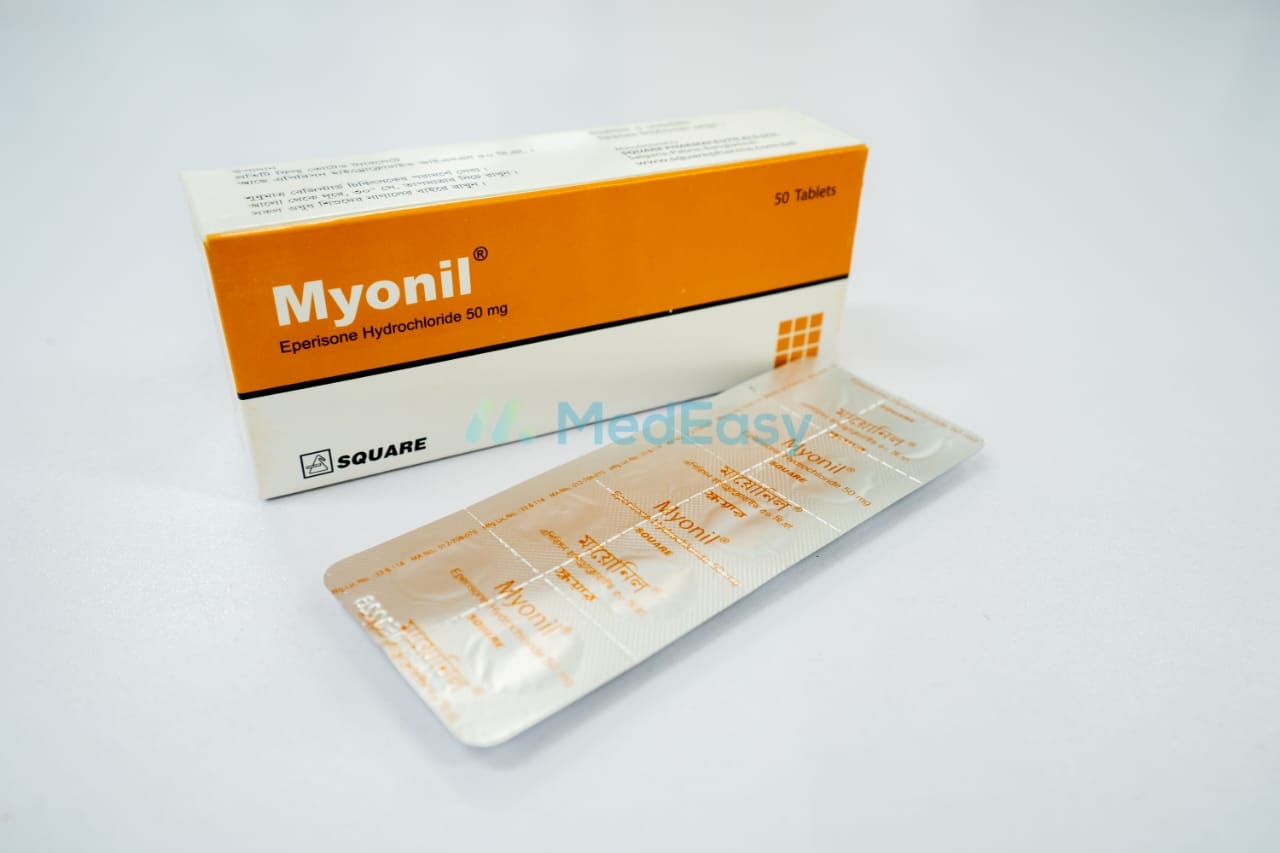
Myonil50 mg
Square Pharmaceuticals PLC.
৳27.69
Add to cart
Eperisone Hydrochloride is a centrally-acting skeletal muscle relaxant used for the symptomatic relief of muscle spasm, spasticity and more.
Eperisone Hydrochloride is a centrally-acting skeletal muscle relaxant used for the symptomatic relief of muscle spasm, spasticity, and stiffness associated with a range of musculoskeletal and neurological conditions. Its use is supported by clinical experience and regulatory approval in several countries, though it is not FDA-approved in the United States.
Dosage of Eperisone Hydrochloride should be individualized according to the indication, severity of symptoms, and patient response.
| Population/Indication | Typical Dose |
|---|---|
| Adults - muscle spasm/spasticity (cervical spondylosis, lumbago, shoulder-arm-neck syndrome, spastic paralysis) | 50 mg orally three times daily after meals (total 150 mg/day), adjusted according to age, symptom severity, and response |
| Elderly | Start at the lower end of the adult dose range with close monitoring; see Use in Special Populations |
| Pediatric | Safety and efficacy not established; not recommended (see Pediatric Uses) |
| Hepatic impairment | Use with caution; dose reduction and closer monitoring may be warranted as the drug is hepatically metabolized |
| Renal impairment | Use with caution; no well-established dose adjustment schedule exists, so clinical monitoring is advised |
Tablets should be swallowed whole with water, preferably after meals, to reduce the likelihood of gastrointestinal upset.
Side effects reported with Eperisone Hydrochloride are generally mild, but rare serious reactions can occur.
| Frequency | Effects |
|---|---|
| Common | Drowsiness, dizziness, nausea, anorexia, vomiting, diarrhoea, indigestion, skin rash |
| Uncommon/Rare | Muscle weakness, urinary dysfunction (e.g., urinary retention), disturbance of visual accommodation, mild elevations in liver enzymes |
| Rare but serious | Anaphylactoid/hypersensitivity reactions (including rash, swelling, breathing difficulty), blood dyscrasias (e.g., anaemia), seizures (reported in cases of overdose, including in infants) |
Patients should seek prompt medical attention if signs of a serious allergic reaction, unusual bruising/bleeding, or marked muscle weakness occur.
Eperisone Hydrochloride is contraindicated in patients with known hypersensitivity to eperisone hydrochloride or to any component of the formulation.
Disclaimer
The information provided is accurate to the best of our knowledge, but it does not replace professional medical advice. We cannot guarantee its completeness or accuracy, and the absence of specific information about a drug should not be taken as an endorsement. We are not responsible for any consequences arising from this information, so please consult a healthcare professional for any concerns or questions.
