
Generic medicine

Epinastine Hydrochloride: Brands, Price & Uses in Bangladesh

Epinastine Hydrochloride is a second-generation antihistamine and mast cell stabilizer used in two distinct formulations with different and more.

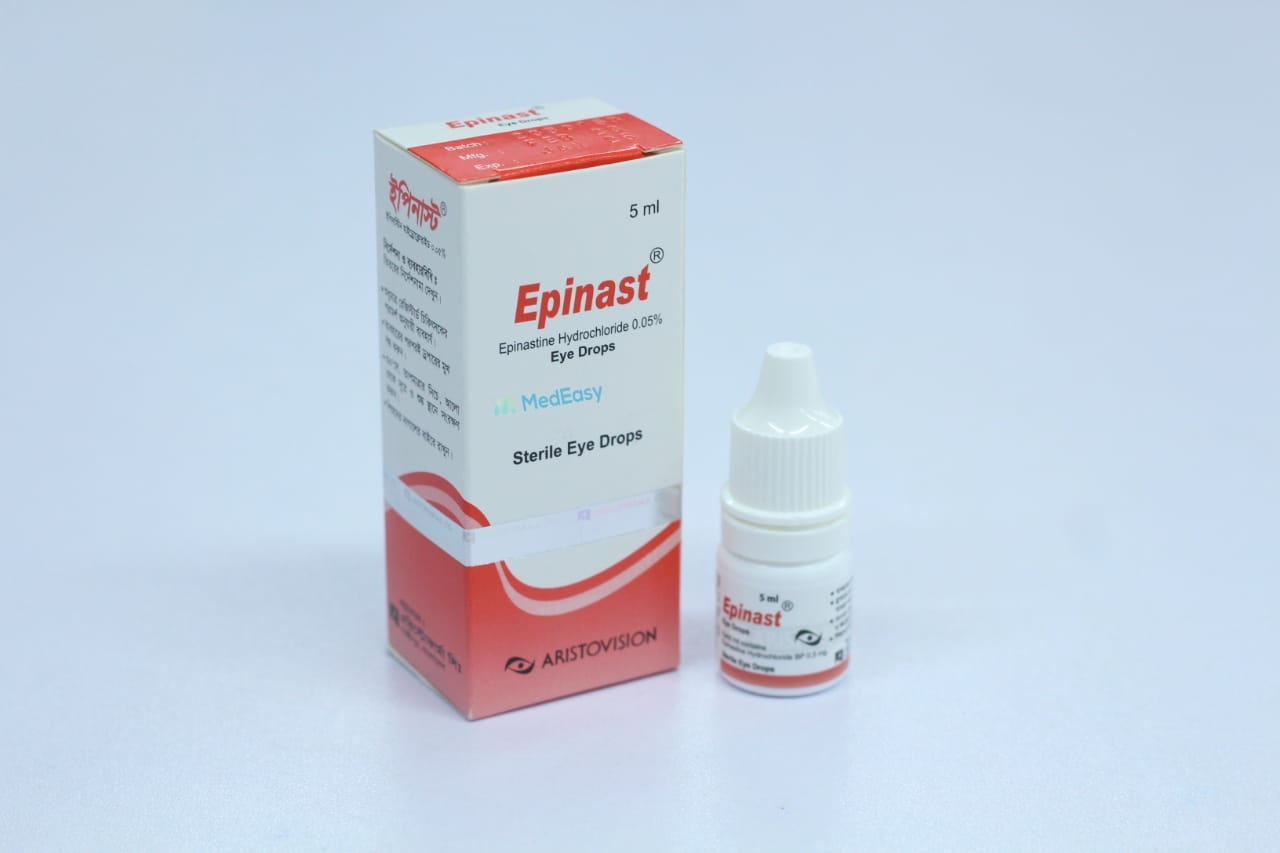
Forms:Ophthalmic Solution

About Epinastine Hydrochloride

Indications of Epinastine Hydrochloride

Epinastine Hydrochloride is a second-generation antihistamine and mast cell stabilizer used in two distinct formulations with different, FDA-recognized/guideline-supported indications:

Ophthalmic solution (0.05%) — FDA-approved

  • Prevention of itching associated with allergic conjunctivitis.

Oral tablets — approved in select markets outside the US (e.g., Japan); not FDA-approved

  • Allergic rhinitis (sneezing, nasal discharge, nasal congestion).
  • Urticaria (hives).
  • Pruritus (itching) associated with skin conditions such as eczema/dermatitis and prurigo, used as an adjunct to topical therapy.

Where oral Epinastine Hydrochloride is not locally approved, its use for these indications should follow the treating physician's judgment.

Dosage & Administration of Epinastine Hydrochloride

FormulationIndicationAdult DosePediatric Dose
Ophthalmic solution 0.05%Allergic conjunctivitis (itching prevention)One drop in each affected eye twice daily (approximately every 8–12 hours)Same regimen in children ≥2 years; safety and efficacy not established below 2 years
Oral tablets (where marketed)Allergic rhinitis, urticaria, pruritusTypically 20 mg once daily, or 10 mg twice daily, taken orally, per local physician/manufacturer labelingWeight/age-based dosing per local labeling; not established under FDA labeling

Continue ophthalmic Epinastine Hydrochloride therapy throughout the period of allergen exposure, even after symptoms improve, for best effect. See Precautions and Warnings for contact lens instructions and Use in Special Populations for renal dose considerations.

Side Effects of Epinastine Hydrochloride

Ophthalmic solution:

  • Common (approximately 1–10%): burning/stinging sensation, follicular conjunctivitis, conjunctival hyperemia (redness), pruritus (itching), and increased lacrimation.
  • Less common: cold-like or upper respiratory tract symptoms (causal relationship to the drug uncertain).

Oral tablets (where marketed):

  • Headache, mild somnolence (drowsiness), dry mouth, nasopharyngitis, and gastrointestinal upset (nausea) have been reported.

Patients should contact a physician if any side effect is severe or persistent.

Contraindications of Epinastine Hydrochloride

Epinastine Hydrochloride is contraindicated in patients with known hypersensitivity to epinastine hydrochloride or to any component of the specific formulation being used.

Frequently Asked Questions about Epinastine Hydrochloride

What is Epinastine Hydrochloride used for?

Epinastine Hydrochloride eye drops are used to prevent itching from allergic conjunctivitis. In some countries, oral Epinastine Hydrochloride tablets are also used for allergic rhinitis, hives (urticaria), and itching related to certain skin conditions.

How should I use Epinastine Hydrochloride eye drops?

Instill one drop of Epinastine Hydrochloride into each affected eye twice daily, avoiding contact between the dropper tip and the eye or any surface, and continue use throughout your allergy season even if your eyes feel better.

Can I wear contact lenses while using Epinastine Hydrochloride?

Do not use Epinastine Hydrochloride ophthalmic solution to treat lens-related irritation. If your eyes are not red, you may generally reinsert soft contact lenses at least 10 minutes after using the drops, since the preservative can be absorbed by the lenses; if your eyes are red, consult your physician before use or lens wear.

Is Epinastine Hydrochloride safe during pregnancy or breastfeeding?

Animal studies have not shown harm to the fetus at high doses, but there is not enough human data to confirm safety. Epinastine Hydrochloride should be used in pregnancy only if clearly needed and the potential benefit justifies the potential risk to the fetus, and caution is advised during breastfeeding; consult a physician before use in either situation.

What are the common side effects of Epinastine Hydrochloride?

The eye drop form may cause mild burning or stinging, redness, itching, or increased tearing. Oral tablets (where used) may cause headache, mild drowsiness, dry mouth, or an upset stomach. Contact your physician if side effects are severe or do not go away.

What should I do in case of accidental overdose?

If Epinastine Hydrochloride is accidentally swallowed in large amounts, or if excessive eye drops are used, seek immediate medical attention or contact a poison control center or emergency services rather than attempting home treatment.

Disclaimer

The information provided is accurate to the best of our knowledge, but it does not replace professional medical advice. We cannot guarantee its completeness or accuracy, and the absence of specific information about a drug should not be taken as an endorsement. We are not responsible for any consequences arising from this information, so please consult a healthcare professional for any concerns or questions.
DoctorBlogArticles