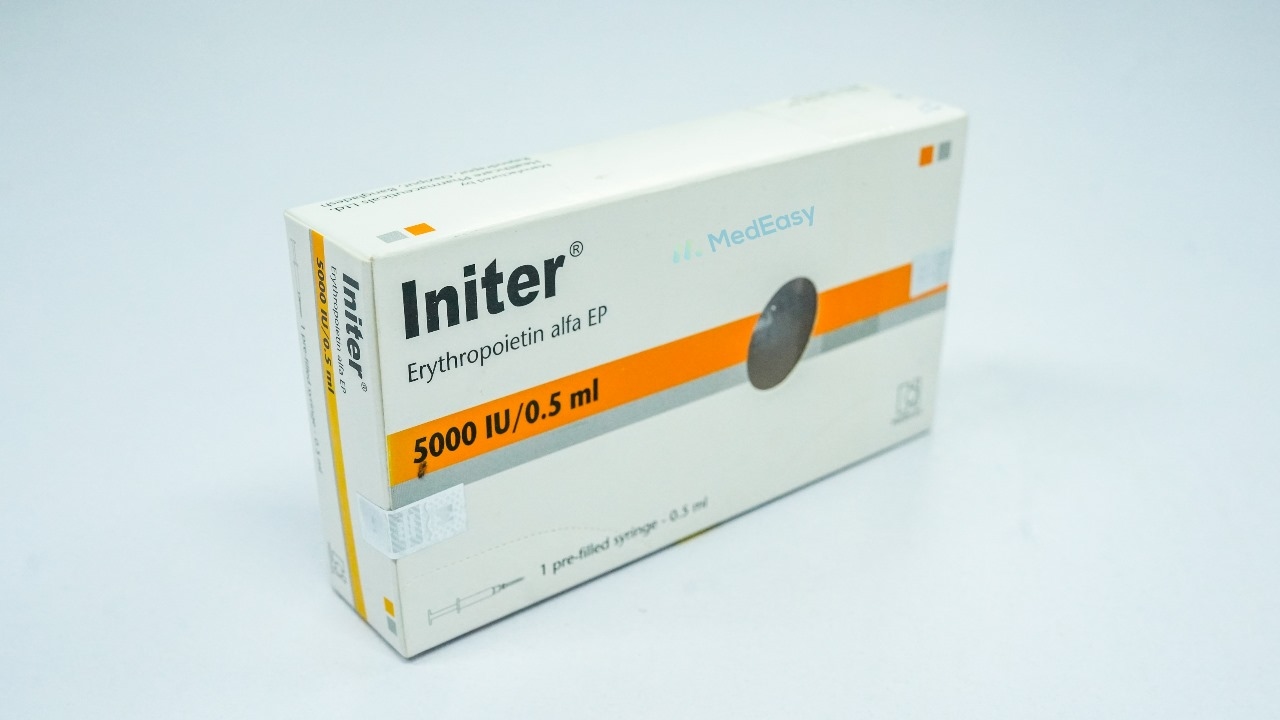
Generic medicine

Epoetin Alfa [Recombinant Human Erythropoietin]: Brands, Price & Uses in Bangladesh

Epoetin Alfa [Recombinant Human Erythropoietin] is a recombinant human erythropoiesis-stimulating agent indicated for the treatment of anemia in the following clinically established settings: Anemia…

Forms:IV/SC Injection

About Epoetin Alfa [Recombinant Human Erythropoietin]

Indications of Epoetin Alfa [Recombinant Human Erythropoietin]

Epoetin Alfa [Recombinant Human Erythropoietin] is a recombinant human erythropoiesis-stimulating agent indicated for the treatment of anemia in the following clinically established settings:

  • Anemia due to chronic kidney disease (CKD): in patients on dialysis and in patients not on dialysis, to reduce the need for red blood cell (RBC) transfusion. This is the primary, best-established FDA-approved indication.
  • Anemia due to zidovudine therapy in HIV-infected patients with endogenous serum erythropoietin levels ≤500 mUnits/mL and receiving zidovudine doses ≤4200 mg/week.
  • Anemia due to concomitant myelosuppressive chemotherapy in patients with non-myeloid malignancies, when the anticipated course of chemotherapy is for a minimum of two additional months after starting therapy. It is not indicated when the intent of chemotherapy is curative.
  • Reduction of allogeneic RBC transfusion in patients with pre-operative hemoglobin between 10 and 13 g/dL undergoing elective, non-cardiac, non-vascular surgery with high anticipated blood loss. It is not indicated for patients undergoing cardiac or vascular surgery due to increased risk of thrombotic events.

Epoetin Alfa [Recombinant Human Erythropoietin] is not indicated and should not be used to improve quality of life, sense of well-being, or for the treatment of anemia due to any cause other than those listed above. It has not been shown to improve symptoms of fatigue.

Dosage & Administration of Epoetin Alfa [Recombinant Human Erythropoietin]

Before initiating Epoetin Alfa [Recombinant Human Erythropoietin], correct or exclude other causes of anemia (iron, folate, or vitamin B12 deficiency, hemolysis, bleeding, infection). Evaluate iron status in all patients; iron supplementation is recommended for patients whose serum ferritin is below 100 mcg/L or whose serum transferrin saturation is below 20%, as adequate iron stores are necessary for an optimal response.

Anemia of Chronic Kidney Disease

PopulationDose
AdultsStarting dose 50-100 Units/kg, 3 times weekly (IV route preferred in hemodialysis patients); individualize to maintain the lowest hemoglobin level sufficient to avoid transfusion, generally not exceeding 11 g/dL.
Pediatric (on dialysis)Starting dose 50 Units/kg, 3 times weekly; dose adjusted to hemoglobin response, generally not exceeding 12 g/dL.

Anemia due to Zidovudine in HIV-Infected Patients

Starting dose 100 Units/kg, 3 times weekly (IV or subcutaneous); if response is inadequate after 8 weeks, dose may be increased in increments of 50-100 Units/kg 3 times weekly. Doses above 300 Units/kg 3 times weekly are unlikely to provide additional benefit.

Anemia due to Chemotherapy in Non-Myeloid Malignancies

Starting dose 150 Units/kg subcutaneously 3 times weekly, or 40,000 Units subcutaneously once weekly, continued until completion of a chemotherapy course. Dose is adjusted based on hemoglobin response and rate of rise. Discontinue if no response (hemoglobin rise, reduced transfusion need) after 8 weeks of therapy.

Reduction of Transfusions in Surgery Patients

300 Units/kg subcutaneously once daily for 15 days (starting 10 days before surgery, on the day of surgery, and for 4 days after), or 600 Units/kg subcutaneously once weekly starting 21 days before surgery, plus a dose on the day of surgery. Deep venous thrombosis prophylaxis is recommended during use in this setting.

Administration Notes

  • Administer by intravenous or subcutaneous injection only, as directed by the treating physician; not for oral use.
  • Do not shake the vial/syringe vigorously — vigorous shaking may denature the protein, rendering it biologically inactive.
  • Do not use if discolored or if particulate matter is present.
  • See Precautions and Warnings for hemoglobin monitoring requirements.

Side Effects of Epoetin Alfa [Recombinant Human Erythropoietin]

The most commonly reported side effects of Epoetin Alfa [Recombinant Human Erythropoietin] include:

  • Hypertension (very common; requires regular blood pressure monitoring)
  • Headache
  • Arthralgia and myalgia (joint and muscle pain)
  • Pyrexia (fever) and flu-like symptoms
  • Nausea, vomiting
  • Injection site pain or reaction
  • Dizziness

Serious side effects (see Precautions and Warnings for full detail) include an increased risk of death, myocardial infarction, stroke, and venous thromboembolism, particularly when hemoglobin is raised above target levels; seizures; pure red cell aplasia; and serious allergic reactions (anaphylaxis, angioedema, bronchospasm, skin reactions including Stevens-Johnson syndrome). Patients should seek urgent medical care for chest pain, sudden weakness, shortness of breath, leg swelling/pain, seizures, or signs of a severe allergic reaction.

Contraindications of Epoetin Alfa [Recombinant Human Erythropoietin]

Epoetin Alfa [Recombinant Human Erythropoietin] is contraindicated in patients with:

  • Uncontrolled hypertension — a well-established absolute contraindication, since the drug can further raise blood pressure and precipitate hypertensive crisis.
  • Known hypersensitivity to epoetin alfa or any component of the formulation, including human albumin when present in the product, and patients who have experienced serious allergic reactions to it.
  • Pure red cell aplasia (PRCA) that develops after treatment with Epoetin Alfa [Recombinant Human Erythropoietin] or any other erythropoietin protein — re-challenge with this or any other erythropoiesis-stimulating agent is contraindicated due to risk of severe, antibody-mediated anemia.

Frequently Asked Questions about Epoetin Alfa [Recombinant Human Erythropoietin]

What is Epoetin Alfa [Recombinant Human Erythropoietin] used for?

Epoetin Alfa [Recombinant Human Erythropoietin] is used to treat anemia (low red blood cell count) caused by chronic kidney disease, certain chemotherapy regimens for cancer, zidovudine treatment in HIV-infected patients, and to reduce the need for blood transfusions in certain surgeries. It works by stimulating the bone marrow to produce more red blood cells.

Is Epoetin Alfa [Recombinant Human Erythropoietin] safe for long-term use?

Epoetin Alfa [Recombinant Human Erythropoietin] can be used long-term for chronic kidney disease-related anemia under close medical supervision, but it carries important risks, including an increased chance of heart attack, stroke, blood clots, and death when hemoglobin is raised too high. Your doctor will use the lowest effective dose and monitor your hemoglobin, blood pressure, and iron levels regularly to minimize these risks.

Can Epoetin Alfa [Recombinant Human Erythropoietin] be taken during pregnancy or breastfeeding?

Epoetin Alfa [Recombinant Human Erythropoietin] should be used during pregnancy only if clearly needed and if your doctor decides the benefit outweighs the potential risk to the baby, since data in pregnant women are limited. Formulations containing benzyl alcohol should not be used while breastfeeding; always consult your physician before use during pregnancy or lactation.

What are the common side effects of Epoetin Alfa [Recombinant Human Erythropoietin]?

Common side effects of Epoetin Alfa [Recombinant Human Erythropoietin] include high blood pressure, headache, joint and muscle pain, fever, nausea, and injection site reactions. Your doctor will monitor your blood pressure and blood counts regularly during treatment to catch and manage any side effects early.

Who should not use Epoetin Alfa [Recombinant Human Erythropoietin]?

Epoetin Alfa [Recombinant Human Erythropoietin] should not be used by people with uncontrolled high blood pressure, those with a known serious allergy to epoetin alfa or its components, and those who have developed pure red cell aplasia (a rare, severe form of anemia) after previous treatment with any erythropoietin-type medicine.

What should I do if I miss a dose or suspect an overdose of Epoetin Alfa [Recombinant Human Erythropoietin]?

If you miss a scheduled dose of Epoetin Alfa [Recombinant Human Erythropoietin], contact your healthcare provider for guidance rather than doubling the next dose. If an overdose is suspected, seek immediate medical attention or contact emergency services or a poison control center, as excessive dosing can dangerously raise red blood cell levels and increase the risk of blood clots, stroke, or heart attack.

Disclaimer

The information provided is accurate to the best of our knowledge, but it does not replace professional medical advice. We cannot guarantee its completeness or accuracy, and the absence of specific information about a drug should not be taken as an endorsement. We are not responsible for any consequences arising from this information, so please consult a healthcare professional for any concerns or questions.

DoctorBlogArticles