Generic medicine

Epoetin Beta [Methoxy Polyethyelene Glycol]: Brands, Price & Uses in Bangladesh

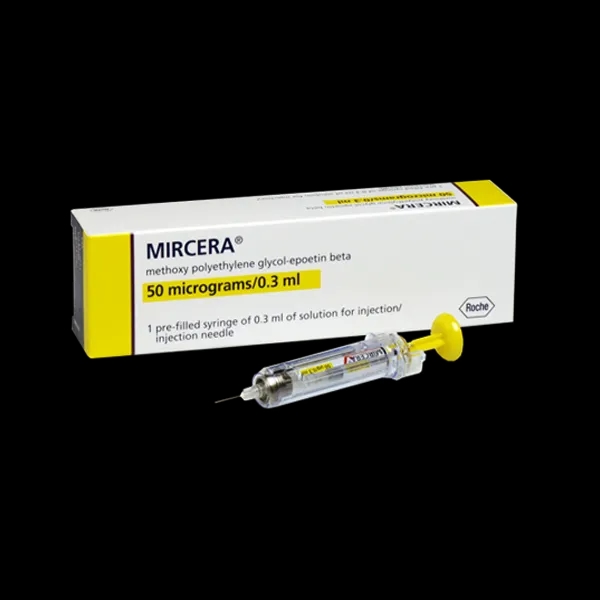
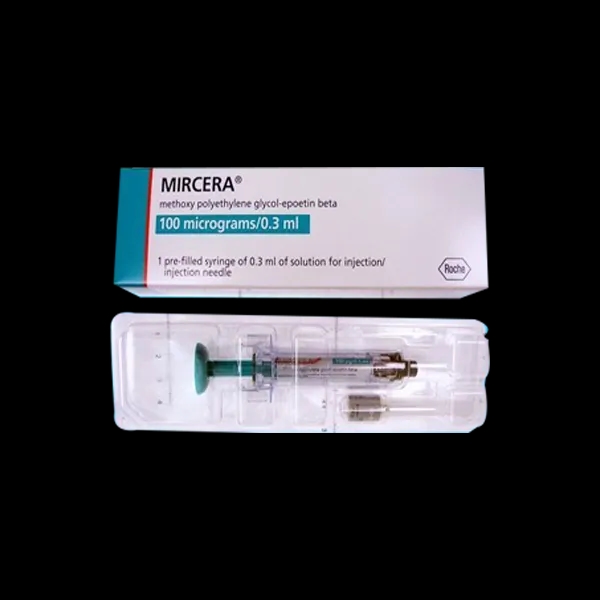
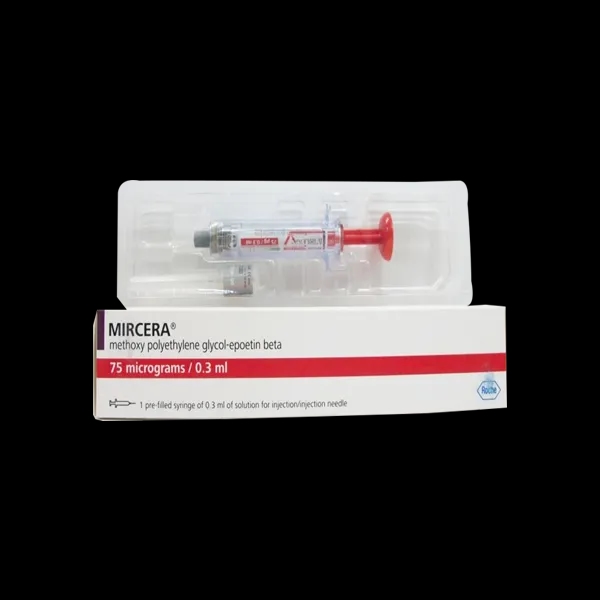
Epoetin Beta [Methoxy Polyethyelene Glycol] is a long-acting erythropoiesis-stimulating agent (ESA), also known as pegylated epoetin beta or methoxy polyethylene glycol-epoetin beta (C.E.R.A.) and more.

Forms:Injection

About Epoetin Beta [Methoxy Polyethyelene Glycol]

Indications of Epoetin Beta [Methoxy Polyethyelene Glycol]

Epoetin Beta [Methoxy Polyethyelene Glycol] is a long-acting erythropoiesis-stimulating agent (ESA), also known as pegylated epoetin beta or methoxy polyethylene glycol-epoetin beta (C.E.R.A.), used for the following indication:

FDA-Approved / Established Use

  • Anemia associated with chronic kidney disease (CKD): Epoetin Beta [Methoxy Polyethyelene Glycol] is indicated for the treatment of anemia associated with CKD in adult patients, including those on dialysis and those not on dialysis.

Not Indicated For

  • Epoetin Beta [Methoxy Polyethyelene Glycol] is not indicated for use in patients with cancer receiving chemotherapy, as a substitute for red blood cell transfusion in patients who require immediate correction of anemia, or for reduction of allogeneic blood transfusion in surgery patients — these are not established or approved uses for this specific agent.

Epoetin Beta [Methoxy Polyethyelene Glycol] is intended to reduce the need for red blood cell transfusions in appropriately selected patients, not to normalize hemoglobin levels.

Dosage & Administration of Epoetin Beta [Methoxy Polyethyelene Glycol]

General Principles

Before initiating Epoetin Beta [Methoxy Polyethyelene Glycol], evaluate iron status; all patients should have adequate iron stores. Correct or exclude other causes of anemia (e.g., vitamin deficiency, hemolysis, bleeding) before treatment. Use the lowest dose sufficient to reduce the need for red blood cell transfusion.

PopulationStarting DoseMaintenance/Notes
Adult CKD on dialysis (ESA-naive)0.6 mcg/kg IV or SC once every 2 weeksMay convert to once-monthly dosing at twice the biweekly dose once hemoglobin is stable
Adult CKD not on dialysis (ESA-naive)0.6 mcg/kg IV or SC once every 2 weeks, or 1.2 mcg/kg SC once monthlyTitrate based on hemoglobin response
Conversion from another ESADose calculated from prior weekly ESA dose per approved conversion tableAdminister once every 2 weeks initially

Do not increase the dose more than once every 4 weeks. If hemoglobin rises rapidly (more than 1 g/dL in any 2-week period), reduce the dose by at least 25%. Withhold dosing if hemoglobin exceeds the level needed to avoid transfusion. See Dosage and Administration sections for further detail, and Precautions and Warnings for hemoglobin target guidance.

Side Effects of Epoetin Beta [Methoxy Polyethyelene Glycol]

The most commonly reported adverse reactions with Epoetin Beta [Methoxy Polyethyelene Glycol] include:

  • Hypertension
  • Diarrhea
  • Nasopharyngitis / upper respiratory tract infection
  • Headache
  • Arthralgia
  • Hypotension
  • Cough
  • Vascular access thrombosis (in dialysis patients)
  • Nausea and peripheral edema

Serious but less common reactions include serious allergic/hypersensitivity reactions, and the boxed-warning risks (cardiovascular events, thrombosis, tumor progression) described under Precautions and Warnings.

Contraindications of Epoetin Beta [Methoxy Polyethyelene Glycol]

Epoetin Beta [Methoxy Polyethyelene Glycol] is contraindicated in patients with:

  • Uncontrolled hypertension.
  • Pure red cell aplasia (PRCA) that begins after treatment with Epoetin Beta [Methoxy Polyethyelene Glycol] or other erythropoietin protein drugs — patients who develop antibody-mediated PRCA on any ESA must not be switched to Epoetin Beta [Methoxy Polyethyelene Glycol] or any other ESA.
  • Serious hypersensitivity to Epoetin Beta [Methoxy Polyethyelene Glycol] or to any of its components, or to other mammalian cell-derived erythropoietin products.

Frequently Asked Questions about Epoetin Beta [Methoxy Polyethyelene Glycol]

What is Epoetin Beta [Methoxy Polyethyelene Glycol] used for?

Epoetin Beta [Methoxy Polyethyelene Glycol] is used to treat anemia (low red blood cell count) that occurs as a result of chronic kidney disease, in both patients on dialysis and those not yet on dialysis. It works by stimulating the bone marrow to produce more red blood cells.

How is Epoetin Beta [Methoxy Polyethyelene Glycol] given?

Epoetin Beta [Methoxy Polyethyelene Glycol] is given by injection, either under the skin (subcutaneous) or into a vein (intravenous), usually once every two weeks or once a month, exactly as prescribed by your physician or administered by a healthcare professional.

Who should not use Epoetin Beta [Methoxy Polyethyelene Glycol]?

Epoetin Beta [Methoxy Polyethyelene Glycol] should not be used by people with uncontrolled high blood pressure, those who have developed pure red cell aplasia (a specific type of severe anemia caused by antibodies against erythropoietin) after treatment with any erythropoietin-based medicine, or those with a known serious allergy to Epoetin Beta [Methoxy Polyethyelene Glycol] or similar products.

What are the serious risks of Epoetin Beta [Methoxy Polyethyelene Glycol]?

Like all medicines in its class, Epoetin Beta [Methoxy Polyethyelene Glycol] can increase the risk of serious heart and blood vessel problems (heart attack, stroke, blood clots) and, in some cancer patients, may affect tumor growth, if the blood hemoglobin level rises too high. Your doctor will use the lowest effective dose and monitor your blood counts and blood pressure regularly to reduce these risks.

Can Epoetin Beta [Methoxy Polyethyelene Glycol] be used during pregnancy or breastfeeding?

Epoetin Beta [Methoxy Polyethyelene Glycol] should be used during pregnancy only if clearly needed and if the potential benefit justifies the potential risk to the baby. It is not known whether it passes into breast milk, so breastfeeding mothers should consult their physician before use.

What should I do if I miss a dose or suspect an overdose?

Do not double a dose to make up for a missed one; contact your physician for guidance. If an overdose is suspected, seek immediate medical attention or contact a poison control center right away.

Disclaimer

The information provided is accurate to the best of our knowledge, but it does not replace professional medical advice. We cannot guarantee its completeness or accuracy, and the absence of specific information about a drug should not be taken as an endorsement. We are not responsible for any consequences arising from this information, so please consult a healthcare professional for any concerns or questions.
DoctorBlogArticles