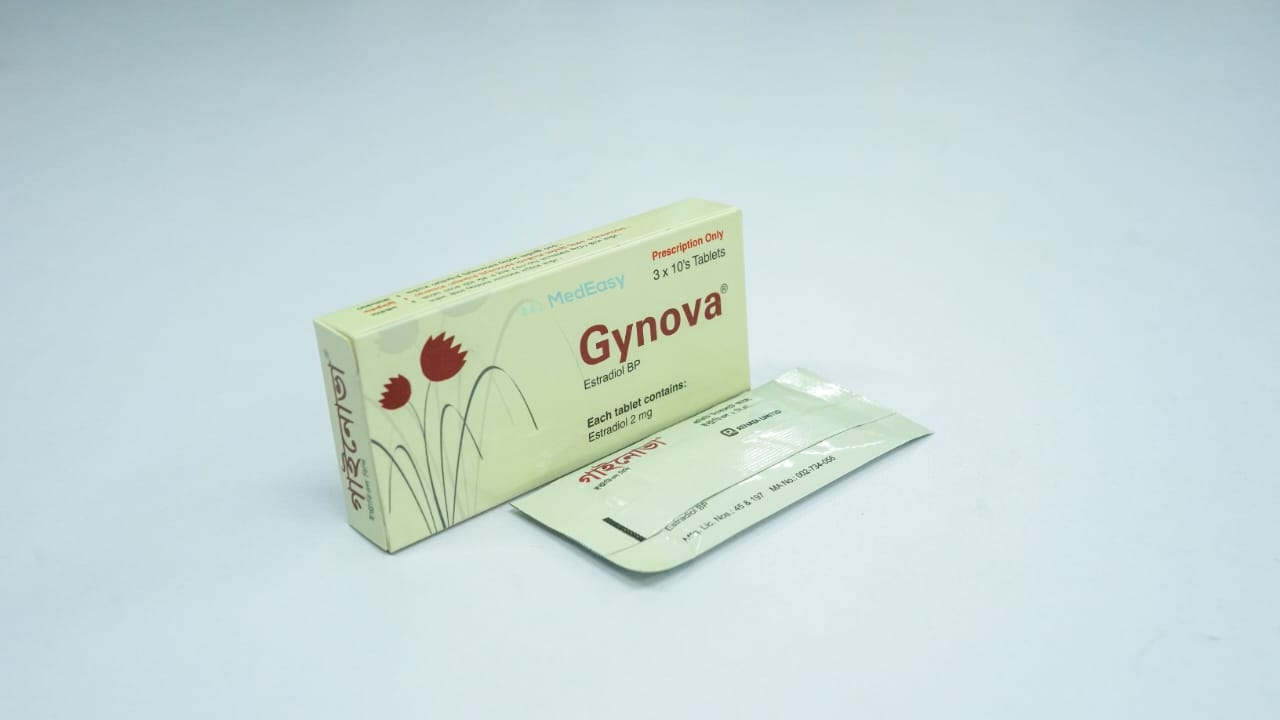
Generic medicine

Estradiol: Brands, Price & Uses in Bangladesh

Established / FDA-Approved Uses Moderate-to-severe vasomotor symptoms of menopause (hot flashes/flushes) — systemic (oral, transdermal patch/gel/spray) Estradiol.

Forms:TabletVaginal Cream

About Estradiol

Indications of Estradiol

Established / FDA-Approved Uses

  • Moderate-to-severe vasomotor symptoms of menopause (hot flashes/flushes) — systemic (oral, transdermal patch/gel/spray) Estradiol.
  • Moderate-to-severe symptoms of vulvovaginal atrophy due to menopause — low-dose vaginal Estradiol (cream, tablet, or ring) is preferred when only atrophy symptoms are present, as systemic absorption is minimal.
  • Hypoestrogenism due to hypogonadism, castration, or primary ovarian insufficiency — Estradiol replacement to restore estrogen levels.
  • Prevention of postmenopausal osteoporosis — systemic Estradiol may be considered when a woman has significant risk of osteoporosis and non-estrogen therapies are not appropriate; not indicated for treatment of established osteoporosis.

Combination-Therapy Requirement

In a woman with an intact uterus, systemic Estradiol must be combined with a progestin (or given on a cyclic regimen with a progestin) to reduce the risk of endometrial hyperplasia and cancer associated with unopposed estrogen. Women who have had a hysterectomy generally do not require added progestin.

Guideline-Supported / Off-Label Uses

Estradiol is also used, based on specialist guidelines rather than a specific FDA indication, as part of feminizing hormone therapy for transgender and gender-diverse individuals, and as "add-back" therapy alongside GnRH agonists to offset hypoestrogenic side effects. These uses should be supervised by an appropriate specialist.

Dosage & Administration of Estradiol

Dosing is individualized by indication, route, and formulation, using the lowest effective dose for the shortest duration consistent with treatment goals. Representative adult starting ranges are summarized below; refer to the specific product's prescribing information for exact strengths available.

IndicationCommon Route/FormTypical Adult Starting Dose
Vasomotor symptoms of menopauseOral tablet0.5–1 mg once daily, cyclic or continuous
Vasomotor symptoms of menopauseTransdermal patch0.025–0.05 mg/day, applied once or twice weekly depending on product
Vasomotor symptoms of menopauseTransdermal gel/sprayLowest effective dose per product labeling, applied once daily
Vulvovaginal atrophy (atrophy symptoms only)Vaginal cream/tablet/ringLow-dose local therapy per product labeling; ring typically replaced every 90 days
Hypogonadism / primary ovarian insufficiencyOral or transdermalIndividualized; often started at menopausal-range doses and adjusted to symptom control
Osteoporosis preventionOral or transdermalLowest dose shown effective for bone protection, per product labeling

In women with an intact uterus receiving systemic Estradiol, a progestin must be added (continuously or cyclically) to reduce endometrial cancer risk. Periodic attempts to taper or discontinue Estradiol should be made at reasonable intervals.

Side Effects of Estradiol

Common

  • Breast tenderness or enlargement
  • Headache
  • Nausea, bloating, abdominal cramping
  • Irregular vaginal bleeding or spotting
  • Fluid retention/mild edema
  • Mood changes

Serious (Less Common)

  • Signs of venous thromboembolism (leg swelling/pain, chest pain, sudden shortness of breath)
  • Signs of stroke or myocardial infarction (sudden weakness, slurred speech, chest pain)
  • Signs of gallbladder disease
  • Severe headache/migraine or visual changes
  • Signs of liver dysfunction (jaundice, dark urine)

See Precautions and Warnings for the boxed-warning risks (endometrial cancer, breast cancer, cardiovascular disease, and venous thromboembolism) associated with Estradiol.

Contraindications of Estradiol

  • Known hypersensitivity to Estradiol or any component of the formulation.
  • Undiagnosed abnormal genital/uterine bleeding.
  • Known, suspected, or history of breast cancer (except in appropriately selected patients being treated for metastatic disease).
  • Known or suspected estrogen-dependent neoplasia.
  • Active deep vein thrombosis, pulmonary embolism, or a history of these conditions.
  • Active arterial thromboembolic disease (e.g., stroke, myocardial infarction) or a history of these conditions.
  • Known thrombophilic disorder (e.g., protein C, protein S, or antithrombin deficiency).
  • Known or suspected pregnancy.
  • Hepatic impairment or active liver disease.

Frequently Asked Questions about Estradiol

What is Estradiol used for?

Estradiol is used to relieve moderate-to-severe menopausal hot flashes and vaginal dryness/atrophy, to treat low estrogen levels caused by hypogonadism or ovarian failure, and, in some patients, to help prevent postmenopausal osteoporosis.

Do I need to take a progestin with Estradiol?

If you still have your uterus, your physician will usually prescribe a progestin along with Estradiol, because using estrogen alone can increase the risk of endometrial (uterine lining) cancer. Women who have had a hysterectomy typically do not need added progestin.

Can I use Estradiol during pregnancy or while breastfeeding?

No. Estradiol is contraindicated in known or suspected pregnancy and is generally not recommended while breastfeeding, since it can reduce milk supply and pass into breast milk. Discuss any pregnancy plans or breastfeeding with your physician before using Estradiol.

What are the most serious risks of Estradiol?

Estradiol carries boxed warnings for increased risk of endometrial cancer (with unopposed use in women with a uterus), breast cancer, cardiovascular disease (heart attack and stroke), and blood clots (venous thromboembolism), particularly with long-term systemic use. Seek urgent care for chest pain, leg swelling/pain, sudden severe headache, or vision changes.

How should I take or apply Estradiol?

Follow your prescriber's instructions exactly for your specific form of Estradiol — oral tablet, transdermal patch/gel/spray, vaginal product, or injection — and use the lowest dose that controls your symptoms for the shortest time needed. Do not change your Estradiol dose or stop treatment without medical advice.

What should I do if I miss a dose or take too much Estradiol?

If you miss a dose, follow the guidance provided with your specific product or ask your pharmacist/physician. If you or someone else has taken more Estradiol than prescribed, seek immediate medical attention or contact emergency services/poison control, even though overdose is not usually life-threatening.

Disclaimer

The information provided is accurate to the best of our knowledge, but it does not replace professional medical advice. We cannot guarantee its completeness or accuracy, and the absence of specific information about a drug should not be taken as an endorsement. We are not responsible for any consequences arising from this information, so please consult a healthcare professional for any concerns or questions.
DoctorBlogArticles