10% Off
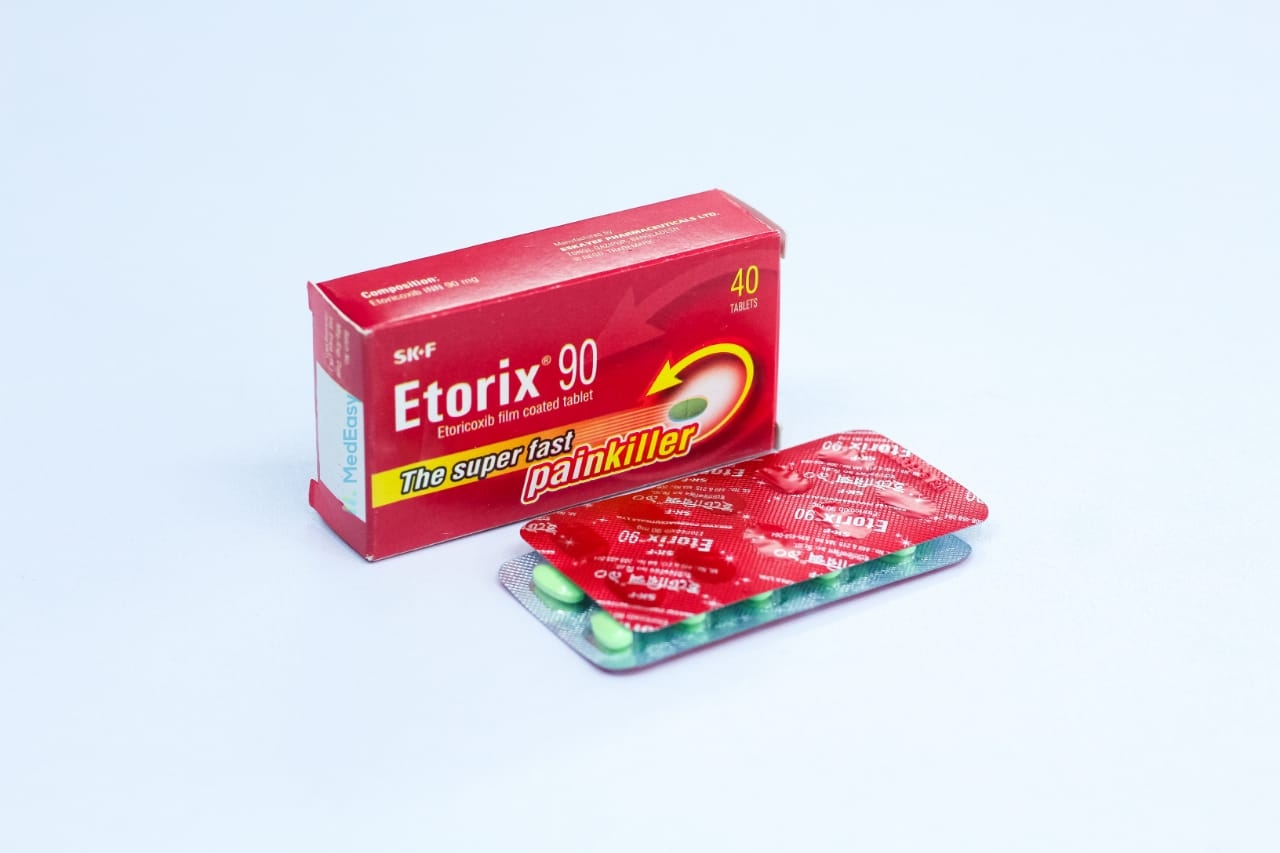
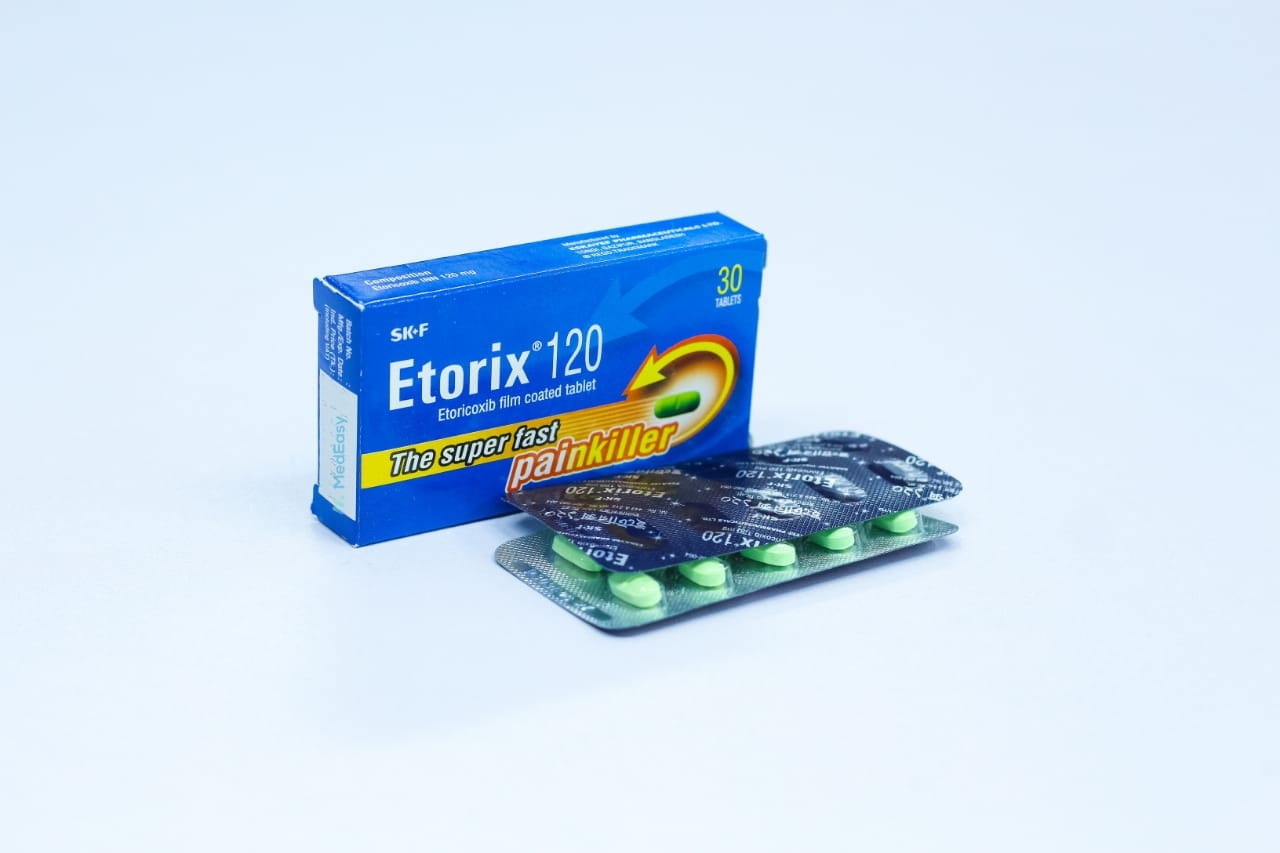
Etorix120 mg
Eskayef Bangladesh Ltd.
৳135.00
Add to cart
Etoricoxib is a selective COX-2 inhibitor (coxib-class) NSAID used for the relief of pain and inflammation in the following established indications: Osteoarthritis (OA) — for relief of joint pain…
Etoricoxib is a selective COX-2 inhibitor (coxib-class) NSAID used for the relief of pain and inflammation in the following established indications:
Etoricoxib provides symptomatic relief of pain and inflammation; it does not alter the underlying course of the disease and is not a cure. It should be used at the lowest effective dose for the shortest duration consistent with the individual patient's treatment goals, because of a dose- and duration-related cardiovascular thrombotic risk (see Precautions and Warnings).
| Indication | Recommended Dose | Maximum Duration |
|---|---|---|
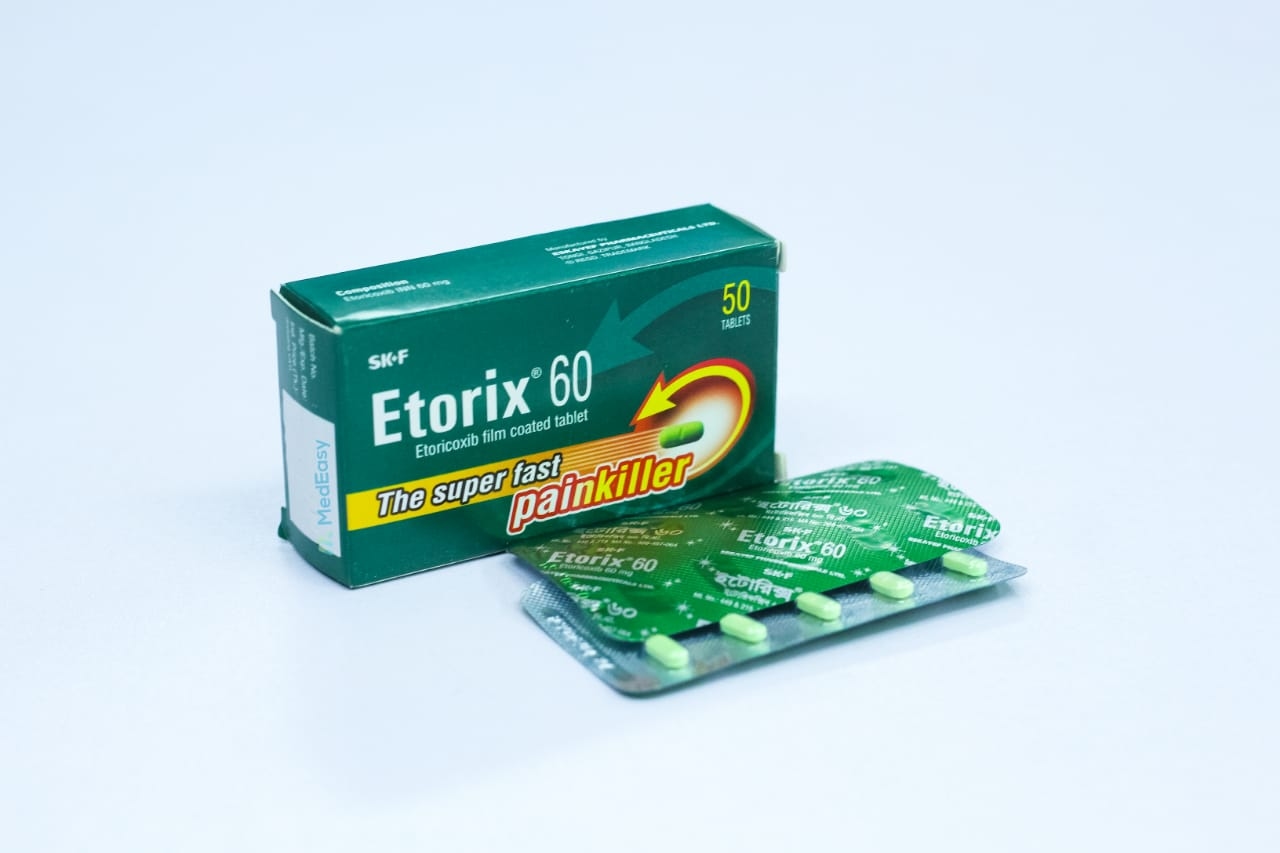
| Osteoarthritis | 30 mg once daily; may be increased to 60 mg once daily if needed | Long-term, at lowest effective dose |
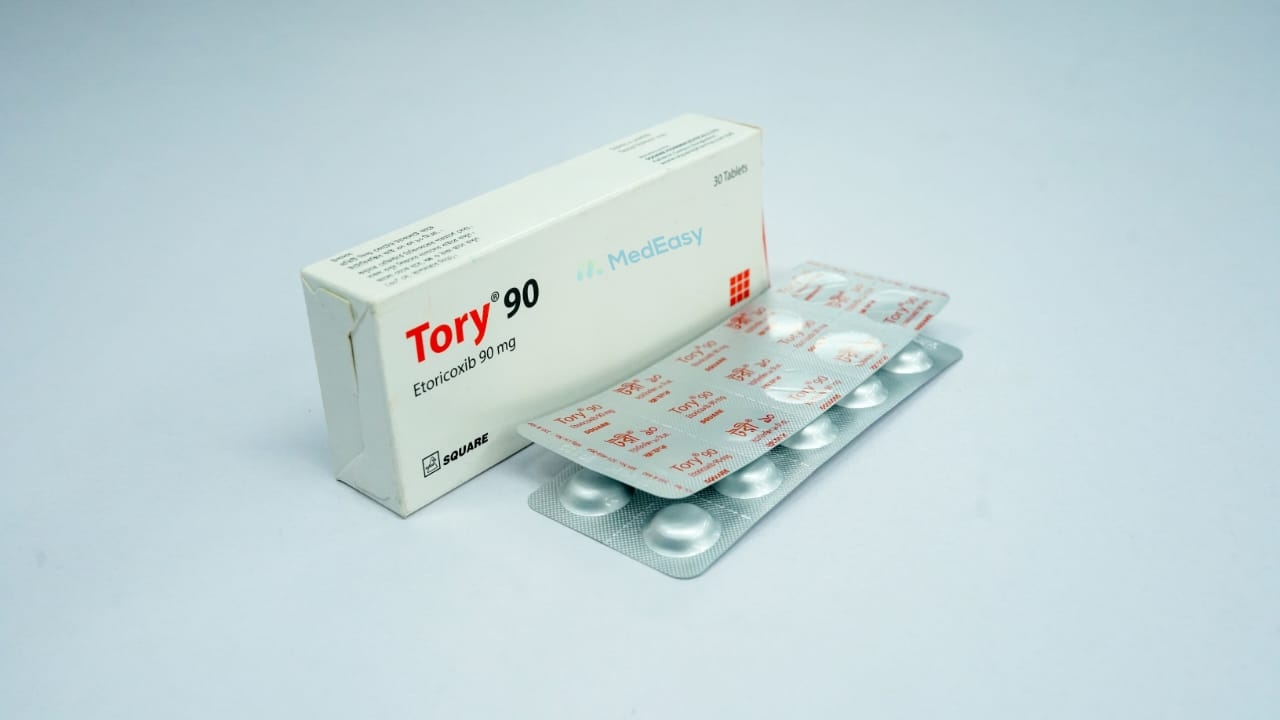
| Rheumatoid arthritis | 90 mg once daily | Long-term, at lowest effective dose |
| Ankylosing spondylitis | 90 mg once daily | Long-term, at lowest effective dose |
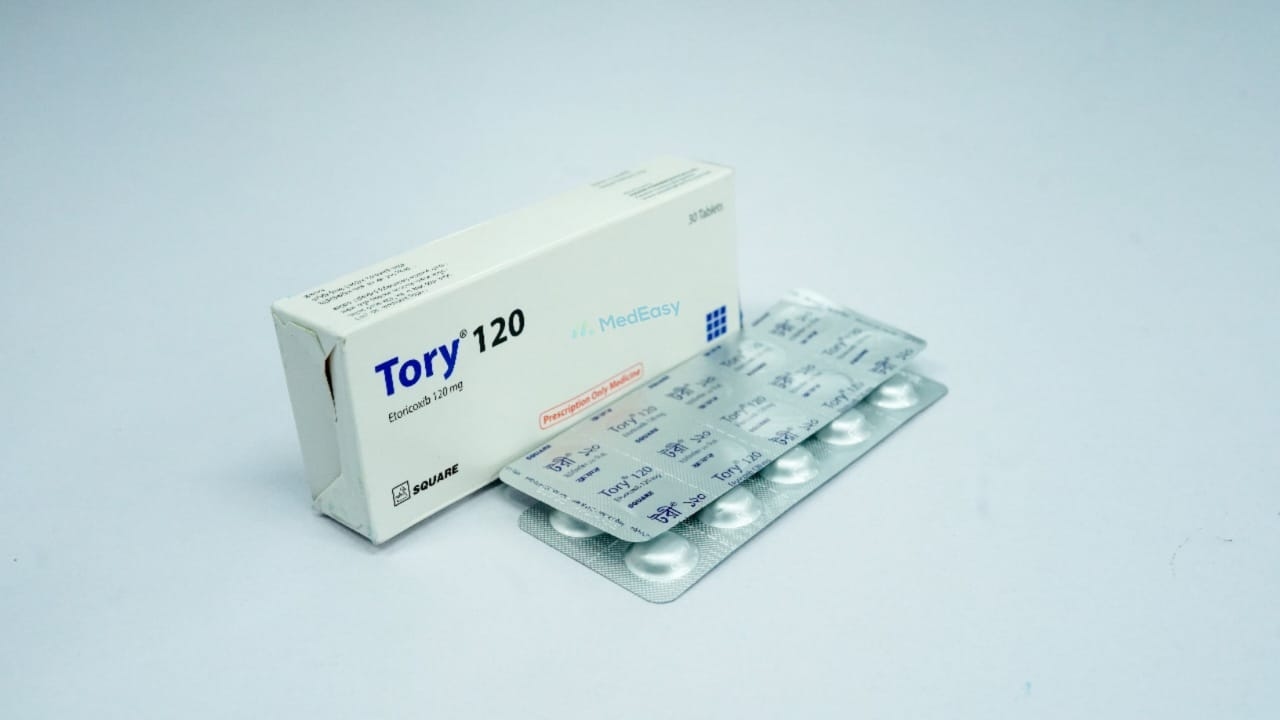
| Acute gouty arthritis | 120 mg once daily | Up to 8 days |
| Acute pain / postoperative dental surgery pain | 90 mg once daily | Up to 3 days |
The dose of 120 mg once daily should be used only for the labeled short-term, acute indications above and should not be exceeded.
Etoricoxib is not recommended for patients under 16 years of age; safety and efficacy in this age group have not been established. See Use in Special Populations.
No dose adjustment is needed in patients with creatinine clearance ≥30 mL/min. Etoricoxib is contraindicated in patients with severe renal impairment (creatinine clearance <30 mL/min).
Mild hepatic impairment (Child-Pugh score 5–6): dose should not exceed 60 mg once daily. Moderate hepatic impairment (Child-Pugh score 7–9): dose should not exceed 60 mg every other day, or 30 mg once daily may be better tolerated. Etoricoxib is contraindicated in severe hepatic impairment (Child-Pugh score ≥10).
Etoricoxib tablets may be taken with or without food, swallowed whole with water. Etoricoxib may have a faster onset of effect when taken without food, which may be relevant for acute pain.
Most side effects of Etoricoxib are mild and reversible on discontinuation. Commonly reported effects include:
Serious but less common or rare reactions include gastrointestinal ulceration/bleeding/perforation, hepatotoxicity (including rare hepatitis), acute kidney injury, hyperkalemia, severe hypersensitivity reactions (angioedema, anaphylaxis, severe skin reactions such as Stevens-Johnson syndrome), atrial fibrillation, and cardiovascular thrombotic events (myocardial infarction, stroke), consistent with the class-wide and drug-specific cardiovascular risk of Etoricoxib. Very rarely, confusion or hallucinations have been reported. Patients should seek prompt medical attention for signs of GI bleeding (black stools, vomiting blood), unexplained rash, jaundice, marked swelling, or chest pain/shortness of breath.
Etoricoxib is contraindicated in patients with:
Disclaimer
The information provided is accurate to the best of our knowledge, but it does not replace professional medical advice. We cannot guarantee its completeness or accuracy, and the absence of specific information about a drug should not be taken as an endorsement. We are not responsible for any consequences arising from this information, so please consult a healthcare professional for any concerns or questions.